
Plants
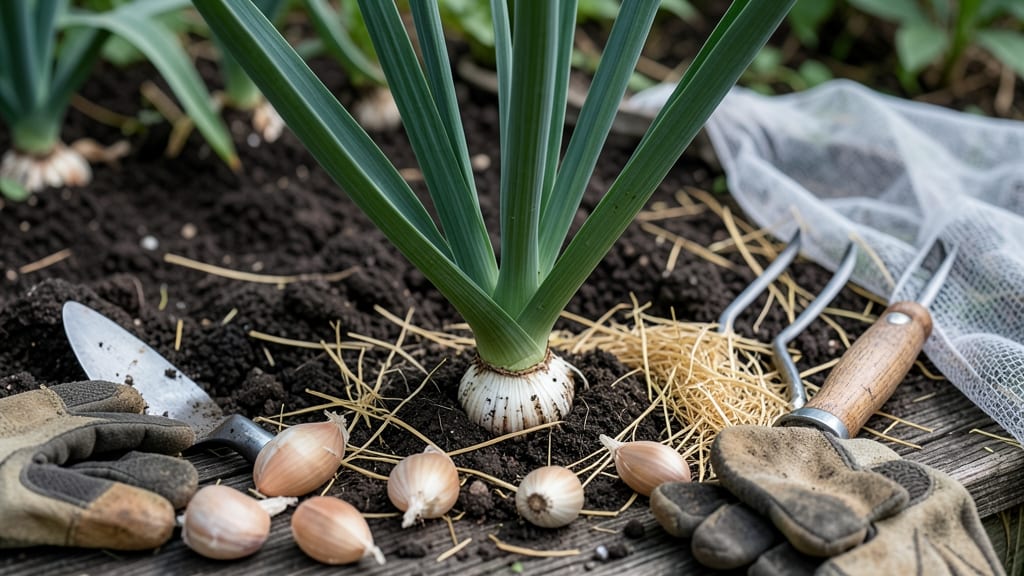
Planting garlic in Wisconsin isn’t just about timing—it’s about locking in the perfect window to avoid bolting and ensure plump bulbs. With Wisconsin’s 4b-6a climate, you’ve got just a 6-week window between mid-October and mid-November to get it right.
Miss the mark, and you risk weak growth or bitter flavors. But here’s the good news: I’ll break down the exact months, soil prep tricks, and frost timing to guarantee your 🧄 thrives year after year.
Whether you’re in Milwaukee’s milder microclimate or Green Bay’s colder zone, this guide keeps you ahead of Wisconsin’s unpredictable swings. Let’s dive into the foolproof schedule that’ll have you harvesting larger bulbs by July.
No more guesswork—just proven strategies tailored to Wisconsin’s unique growing conditions. Ready to transform your garden?
Wisconsin garlic planting calendar: exact months by hardiness zone
Wisconsin’s USDA zones 4b-6a create a tight window for planting garlic—but timing it right means the difference between plump bulbs and wasted effort. The key? Planting when soil temps drop below 40°F but before the ground freezes solid.
For most of Wisconsin, that’s mid-October to November, but your exact zone dictates the perfect week.
Hardneck varieties (like Music or German Red) thrive in Wisconsin’s climate, while softneck types need milder winters. If you’re in zone 4b (northern WI), aim for late September to early October.
Gardeners in zone 5-6a (southern WI) can wait until mid-October—just don’t delay past November 15, or your cloves won’t root before winter.
Here’s the golden rule: Plant 4-6 weeks before the first hard frost (typically mid-to-late November in WI). This gives roots time to establish before the ground freezes, protecting your garlic from heaving (when bulbs push up through thawing soil).
Regional microclimates matter too. In Milwaukee (zone 5b), late October is ideal, while Green Bay (zone 4a) gardeners should plant by October 15. Check your local frost dates—the National Weather Service or Wisconsin State Climatology Office has tools to pinpoint your exact window.
| Zone | Best Planting Window | Soil Temp Goal | Variety Recommendation |
|---|---|---|---|
| 4b (North) | Late Sept - Early Oct | Below 40°F | Hardneck (Music, German White) |
| 5a (Central) | Mid-October | 35-40°F | Hardneck (Chef’s, Silverskin) |
| 5b-6a (South) | Late Oct - Early Nov | 30-35°F | Hardneck or Softneck (Artichoke) |
Don’t stress if you miss the fall window—spring planting is possible in Wisconsin, but it yields smaller bulbs. If you plant in March or early April, use shade cloth to prevent bolting (when garlic flowers prematurely). For best results, stick to fall, though!
Prep your soil by adding compost (aim for 2-3 inches) and a balanced fertilizer (5-10-10) before planting. Break up cloves into individual bulbils and plant them 2 inches deep, 4-6 inches apart, with 6 inches between rows.
Mulch heavily with straw or leaves to insulate roots through winter.
Wisconsin’s hard winters actually help garlic—cold vernalization (a chilling period) triggers bulb formation. Just avoid planting in snow-covered ground; wait until soil is workable but frost is forecasted within weeks. With this timing, you’ll harvest plump, flavorful bulbs by late June or July.
For local wisdom, check out Wisconsin’s Garlic Festival (held in Juneau County)—growers there swear by planting on the dark moon for extra vigor. Whether you follow lunar cycles or just the calendar, consistency is key.
Wisconsin garlic planting calendar: exact months by hardiness zone
Wisconsin’s USDA zones 4b-6a create a tight window for garlic planting—just 4-6 weeks before the ground freezes. In most areas, that means mid-October to mid-November, but your exact timing depends on your zone and microclimate.
For example, Milwaukee (Zone 5b) has a later frost date than Green Bay (Zone 4b), so adjust accordingly.
Hardneck varieties like ‘Music’ or ‘German White’ thrive in Wisconsin’s climate, while softneck types need warmer zones. Planting too early (like in September) risks bolting, while waiting until December may leave bulbs underdeveloped. Let’s break down the ideal schedule by zone to avoid these pitfalls.
| Zone | Ideal Planting Window | Soil Temp Goal (°F) | Key Notes |
|---|---|---|---|
| 4b (Green Bay, Eau Claire) | October 1–15 | 45–55°F | Plant early—frost comes sooner. Use 6+ inches of mulch. |
| 5a (Madison, Wausau) | October 15–31 | 40–50°F | Flexible window. Avoid planting after November 1. |
| 5b (Milwaukee, Racine) | November 1–15 | 35–45°F | Later frost dates allow November planting. |
| 6a (La Crosse, Sheboygan) | November 1–30 | 30–40°F | Push limits—plant up to December 1 for smaller bulbs. |
Pro tip: Check your last frost date (typically mid-November in most of Wisconsin) and plant 4-6 weeks before it. For example, if frost hits November 15, aim for October 1–15. Use a soil thermometer to confirm temps—garlic roots need 40–50°F to establish.
Wisconsin’s microclimates matter too. Urban areas like Milwaukee stay warmer, while rural zones near Lake Michigan can freeze earlier. If you’re unsure, err on the earlier side—you can always add extra mulch later. Just avoid planting after the ground freezes, or your cloves won’t sprout until spring.
For hardneck varieties (best for Wisconsin), harvest in late June–July when lower leaves brown. Softnecks need warmer zones and a longer growing season, so stick to hardnecks unless you’re in Zone 6a.
Now that you’ve got the timing down, let’s tackle the next challenge: avoiding bolting in Wisconsin’s unpredictable climate.