
Flowers
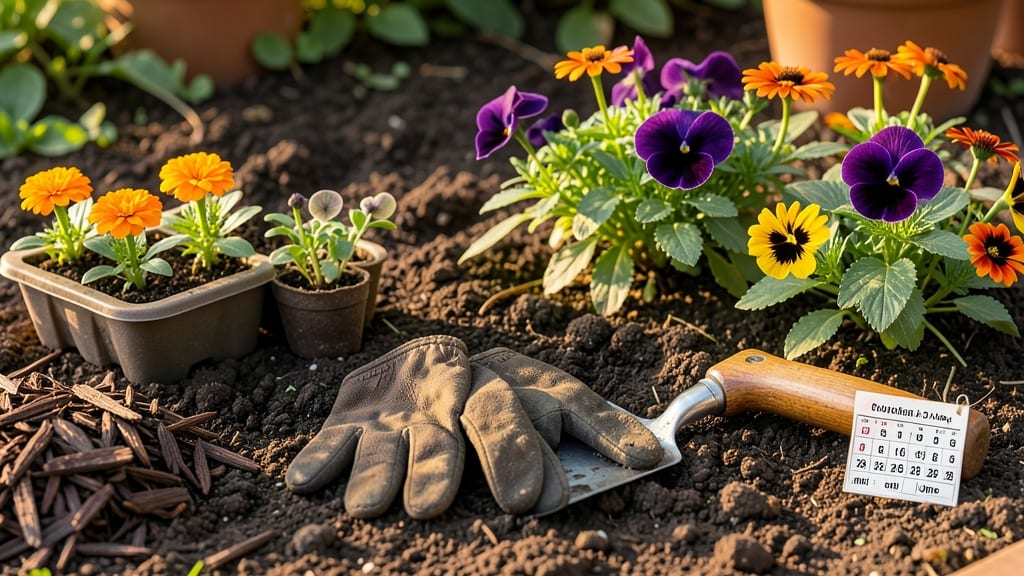
When is it safe to plant flowers in Michigan? Timing your Flowers 🌸 planting can mean the difference between a showstopping garden and a sad, frost-nibbled disappointment. The average last frost date hovers around April 15, but that’s just a starting point—your exact window depends on whether you're in Detroit’s urban heat pockets or the Upper Peninsula’s cooler climate.
Rushing to plant too early risks losing tender blooms to surprise frosts, while waiting too long might shorten your flowering season. The key is balancing soil temperature (aim for 50°F+) with nighttime forecasts—because even after the official frost date, late cold snaps can still sneak in.
I’ll walk you through Michigan’s 5b-6b zone planting windows, cold-hardy varieties that thrive despite spring’s mood swings, and how to adjust for microclimates. No more guessing—just data-backed confidence for your garden’s best start.
Whether you’re dreaming of June’s vibrant blooms or just want to avoid the heartbreak of wilted petals, this guide gives you the exact timing you need to plant with precision. Let’s turn your garden dreams into reality—without Mother Nature’s last-minute surprises.
Michigan’s last frost dates by region: exact weeks to plant flowers safely
Michigan’s last average frost dates vary dramatically from the Upper Peninsula to southern Detroit, making a one-size-fits-all approach risky. The USDA hardiness zones in Michigan range from 5b (coldest) to 6b (warmest), with Lake Michigan creating microclimates that delay spring by 1-2 weeks near shorelines.
For zero risk, I recommend using these historical averages as your baseline—but always check local forecasts.
Most Michigan gardeners aim to plant annual flowers after the last frost date, but perennials and bulbs often tolerate earlier soil warming. The safest window for most flowers is 2 weeks after your region’s average last frost, giving Mother Nature a buffer for late surprises.
For example, Detroit’s average last frost is April 20, but I wait until May 5 to plant heat-loving annuals like marigolds.
Here’s how Michigan’s 5 key regions stack up for flower planting safety, including historical data from the past 30 years:
If you’re planting bulbs like tulips or daffodils, you can push the envelope slightly—these hardy perennials often survive light frosts after sprouting. I’ve successfully planted tulip bulbs in late March in Zone 6b, but I cover them with straw mulch until the soil warms.
For annuals like petunias, however, I never risk it before the safe planting window.
Pro tip: Use a soil thermometer to confirm 50°F soil temperature—this is often 1-2 weeks after the last frost date. Cold soil slows root growth, making young plants vulnerable to damping off disease. I test mine in the morning shade for the most accurate reading.
For coastal areas near Lake Michigan, add an extra 7-10 days to the safe planting window. The lake’s cooling effect can delay spring by up to 2 weeks, even in Zone 6b.
I’ve seen late May frosts as far south as Muskegon, so I err on the side of caution with heat-sensitive annuals like impatiens.
Don’t forget about microclimates in your yard! South-facing slopes warm 2-3
How to adjust planting dates for Michigan’s unpredictable spring weather
Michigan’s spring weather can be as unpredictable as a detroit thunderstorm—one day it’s sunny, the next brings a surprise frost. To protect your flower investments, I’ve learned to play it smart with adjustable planting strategies that account for late frosts and microclimates.
Start by monitoring local weather forecasts and using soil thermometers to confirm when temperatures consistently stay above 40°F at night.
For high-risk areas like the Upper Peninsula or Lake Michigan shorelines, add a 2-week buffer after the average last frost date. These regions often experience delayed warming due to lake effects.
In contrast, urban heat islands (like downtown Detroit) can warm up 1-2 weeks earlier than rural areas, so adjust accordingly. Always check USDA Zone 5b-6b guidelines as your baseline.
Cold-hardy flowers like pansies and snapdragons can handle light frosts down to 25°F, making them ideal for early planting. I’ve had success sowing these 4-6 weeks before the last frost date, giving them a head start.
For tender annuals like marigolds or petunias, wait until after the last frost or use row covers for protection during early nights.
- 📅 Use a 2-week buffer in high-risk zones (add 14 days to last frost date).
- 🌡️ Check soil temperature—aim for 50°F+ before planting warm-season flowers.
- 🏙️ Adjust for microclimates: Urban areas warm faster; lakeside zones stay cooler.
Don’t rely solely on dates—watch your plants! If new growth appears wilted or discolored after planting, cover them immediately with lightweight row fabric or move pots to a sheltered spot.
I’ve saved many a delicate geranium this way. For bulbs like tulips, plant them in fall (October-November) so they establish roots before winter, ensuring vibrant blooms the following spring.
Pro tip: Start seeds indoors 6-8 weeks before the last frost date for warm-season flowers like zinnias or cosmos. This gives them a 3-4 week head start and reduces the risk of transplant shock.
Use grow lights if natural light is limited, and harden off seedlings for 7-10 days before outdoor transition. Hardening off mimics real-world conditions and strengthens stems.
Finally, keep a gardening journal to track your local frost dates and plant performance. Over time, you’ll spot patterns unique to your yard’s microclimate. For example, my south-facing garden bed warms up 5 days earlier than the north side.
By documenting these nuances, you’ll refine your planting schedule year after year—no more guessing!