
Planting
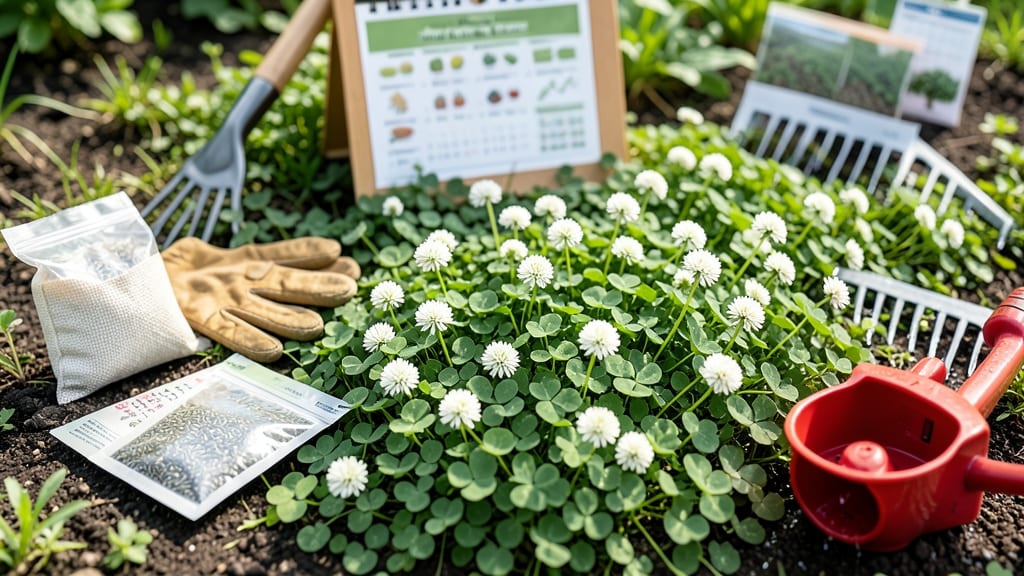
Timing your clover planting just right could mean the difference between a fast-spreading, lush lawn and one that takes forever to fill in. Whether you're in USDA Zone 6a or another temperate region, knowing when to plant clover in your lawn is the first step to success.
Most gardeners swear by early spring or early fall as the ideal windows for planting 🌱 clover. Why? Because these seasons offer cooler temperatures and moist soil—perfect conditions for seeds to germinate without drying out.
But here's the catch: your local climate plays a bigger role than you might think.
I'll walk you through exactly which season works best for your area, plus how to prep your soil for maximum growth. By the end, you'll know whether spring or fall planting will give you that fast, even coverage you're after—and how to avoid common mistakes that slow things down.
Ready to transform your lawn into a vibrant, self-sustaining carpet? Let's get started with the timing that makes all the difference.
Best time to plant clover in your lawn: spring vs fall compared
Deciding whether to plant clover in spring or fall depends on your local climate and desired results. Both seasons offer advantages, but each comes with unique considerations for optimal growth and lawn establishment. Let’s break down the key differences to help you choose the best time for your region.
Spring planting gives clover a longer growing season before summer heat arrives. This means faster root spread and full coverage by late summer. However, early spring planting can be risky if frost lingers, delaying germination.
On the other hand, fall planting allows seeds to establish roots before winter, resulting in vigorous growth the following spring with less competition from weeds.
For most temperate climates (like USDA Zones 5-8), early spring or early fall are the ideal windows. If you live in a warmer southern region, fall planting is often better to avoid summer drought stress. Meanwhile, cooler northern climates may favor spring planting to maximize the growing season.
Here’s a quick comparison to help you decide:
| Factor | Spring Planting (March-April) | Fall Planting (September-October) |
|---|---|---|
| Ideal Temperature Range | 50-70°F (10-21°C) | 50-65°F (10-18°C) |
| Growth Speed | Fast (6-8 weeks to coverage) | Moderate (roots establish before winter) |
| Weed Competition | High (weeds germinate early) | Low (weeds dormant in fall) |
| Watering Needs | Moderate (spring rains help) | Low (fall rains often sufficient) |
| Best For | Northern climates, fast coverage | Southern climates, drought tolerance |
| Risk Factors | Late frost, weed competition | Early frost, limited growth time |
If you’re in a cooler northern region, spring planting gives clover the longest possible growing season before winter sets in. Aim for planting 2-4 weeks after your last frost date, once soil temperatures reach at least 50°F (10°C).
This timing ensures seeds germinate quickly and establish roots before summer heat arrives.
For warmer southern climates, fall planting is often the smarter choice. Planting in September or October allows clover to germinate and grow roots before winter dormancy, then burst into growth the following spring. This approach also avoids the intense summer heat that can stress young seedlings.
Regardless of the season, soil preparation is critical. Test your soil’s pH level (ideal range: 6.0-7.0) and amend with compost or lime if needed.
Clover thrives in well-draining soil with plenty of organic matter, so till the top 2-3 inches of soil before seeding to create a loose, inviting bed for roots.
One final tip: If you’re unsure which season works best for your area, consider planting a small test patch in both spring and fall. This hands-on approach lets you compare growth rates and coverage firsthand, helping you refine your strategy for future lawn projects.
🌱
Best time to plant clover in your lawn: spring vs fall compared
Deciding between spring and fall planting for clover can feel overwhelming, but the right choice depends on your local climate and soil conditions. Both seasons offer advantages, but each has distinct factors that impact germination rates and establishment success.
Let’s break down the key differences to help you choose the best time for your lawn.
Spring planting gives clover a head start on growth before summer heat sets in. With warmer soil temperatures and increasing daylight, seeds germinate quickly, often within 7-14 days if conditions are ideal. However, spring planting requires careful timing to avoid drought stress or weed competition as temperatures rise.
Fall planting, on the other hand, allows clover to establish deep roots before winter dormancy. Cooler temperatures and consistent moisture create perfect conditions for seeds to germinate slowly but steadily. This method often results in faster spring blooms and better drought resistance once established.
| Factor | Spring Planting | Fall Planting |
|---|---|---|
| Ideal Temperature | 50-70°F | 40-60°F |
| Germination Time | 7-14 days | 10-21 days |
| Soil Moisture | Moderate (watch for drought) | High (consistent rain) |
| Weed Competition | High (spring weeds) | Low (weeds dormant) |
| Best For | Fast coverage, warm climates | Deep roots, cool climates |
If you live in a warmer climate (USDA Zones 7-10), spring planting is often the better choice. The ground warms up quickly, and clover can establish before summer heat arrives.
In cooler climates (Zones 3-6), fall planting is ideal because it avoids the risk of frost damage and takes advantage of autumn rains.
Regardless of the season, soil preparation is critical. Loosen the top 1-2 inches of soil to improve seed-to-soil contact, and consider adding a thin layer of compost to boost nutrients. This step alone can improve germination rates by up to 30%.
For the fastest results, aim to plant clover when your lawn is weed-free and soil temperatures are between 50-70°F. Whether you choose spring or fall, proper timing and preparation will give you that lush, self-sustaining lawn you’re dreaming of. 🌱