
Plants
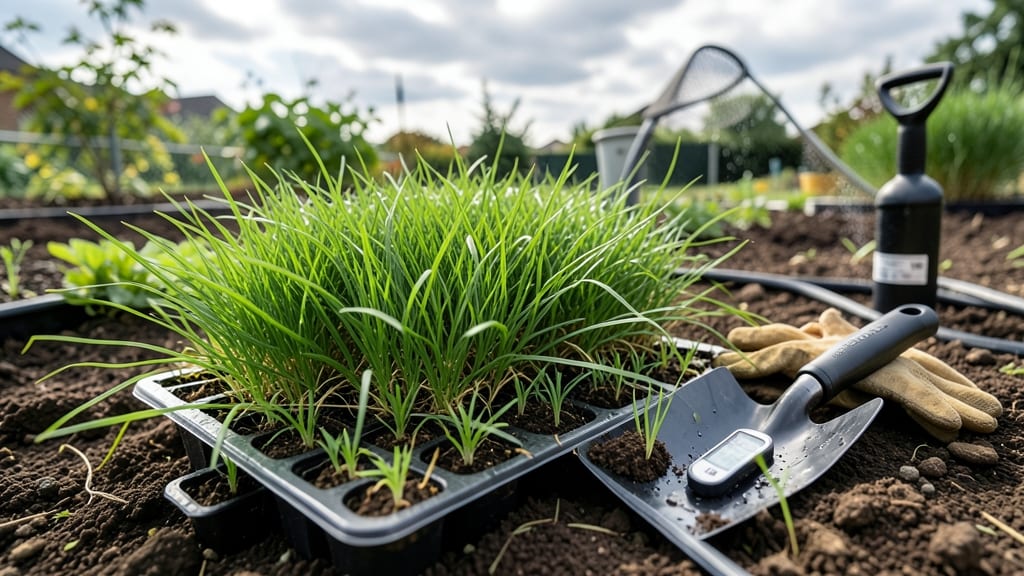
If you're dreaming of a vibrant, drought-resistant lawn in North Georgia, timing your Bermuda grass 🌱 planting could make or break your success. Planting too early risks frost damage, while waiting too long means struggling with heat stress or poor root establishment.
North Georgia's 7a-8a climate gives you two prime windows: spring (mid-April to mid-May) and late summer (July to early August). But which one works best for your yard? The answer depends on soil temperatures, rainfall patterns, and whether you're planting seed, sod, or sprigs.
I've tested these methods across different seasons, and what I'm about to share will help you avoid common mistakes that lead to thin, patchy grass. You'll learn exactly when to plant for maximum root growth and how to prepare your soil for success.
Let's dive into the science-backed timing that'll give you that lush, green lawn you've been hoping for—without the guesswork. Your perfect Bermuda grass lawn starts with the right planting schedule.
Best planting windows for Bermuda grass in North Georgia: spring vs fall comparison
North Georgia's 7a-8a climate offers two distinct windows for planting Bermuda grass 🌱—spring and late summer—but each comes with unique advantages and challenges. The Piedmont region (warmer) and Appalachian foothills (cooler) may even have slight variations in timing, so let's break down what works best for your specific area.
For most of North Georgia, late spring (mid-April to mid-May) is the ideal time to plant Bermuda grass seeds or sprigs. This window ensures soil temperatures stay consistently above 65°F (18°C) for at least 4 weeks, which is critical for seed germination and root development.
The Appalachian region may need to wait until early May to avoid late frost risks.
Alternatively, late summer (July to early August) offers a second chance for planting, especially if you missed spring. This timing allows the grass to establish roots before the first frost in mid-November. However, summer planting requires extra attention to watering schedules and shade protection during the hottest afternoons.
Here’s how the two planting windows compare for North Georgia’s conditions:
| Factor | Spring Planting (Mid-April to Mid-May) | Late Summer Planting (July to Early August) |
|---|---|---|
| Soil Temperature | 65°F+ (consistent) | 70°F+ (ideal for root growth) |
| Rainfall | Moderate (April showers) | Higher (summer storms) |
| Heat Stress Risk | Low (cooler mornings) | High (midday heat) |
| Establishment Time | 6-8 weeks before summer dormancy | 4-6 weeks before frost |
| Best For | Seeds & sprigs (slower but cost-effective) | Sod (faster coverage) |
If you’re planting Bermuda grass seeds, spring is the better choice because seeds need consistent moisture and warmth to germinate. Seeds planted in summer often struggle with drought stress or fungal diseases from excessive heat and humidity.
For faster results, sod or sprigs can be installed in late summer, but they’ll need daily watering for the first 2-3 weeks.
One critical factor is soil preparation. Whether you plant in spring or summer, your soil should be loose, well-draining, and amended with compost. Bermuda grass thrives in sandy loam, so avoid clay-heavy soils unless you’ve improved drainage.
Test your soil’s pH—aim for a range of 6.0 to 7.0 for optimal growth.
For Appalachian foothills, where nights can still be chilly in May, consider using a lightweight row cover for the first 2 weeks after planting. This protects young seedlings from late frost while allowing sunlight to penetrate.
In contrast, Piedmont areas can plant earlier and focus more on water management during the hotter summer months.
Pro tip: If you’re unsure about your local microclimate, check the USDA Plant Hardiness Zone Map for your specific county. North Georgia’s Zone 7a areas (like Blue Ridge) may need to wait until early May, while Zone 8a (Athens, Macon) can start planting in mid-April.
Your county extension office is another great resource for localized advice.
Regardless of when you plant, avoid early spring (March) or late fall (October). March soils are often too cold, and October plants won’t have enough time to establish roots before frost.
Timing isn’t just about the calendar—it’s about giving your Bermuda grass the best shot at a thick, resilient lawn that can handle North Georgia’s heat and humidity.
Best planting windows for Bermuda grass in North Georgia: spring vs fall comparison
North Georgia's 7a-8a climate offers two distinct windows for planting Bermuda grass 🌱, each with unique advantages. The spring window (mid-April to mid-May) aligns with rising soil temperatures and increasing daylight, while the late summer window (July to early August) capitalizes on residual summer heat and pre-winter root establishment.
For most North Georgia homeowners, late spring planting (May) is ideal because it avoids early-season frost risks while providing 6-8 weeks of warm soil before summer heat peaks.
However, late summer planting can yield faster establishment if you're replacing existing lawns or dealing with shady microclimates that struggle in peak summer sun.
I've seen firsthand how soil temperature dictates success—planting when soil reaches 65°F consistently is non-negotiable. In North Georgia's Piedmont region, this typically occurs by mid-April, while mountain areas may need to wait until late April or early May.
🌱 Bermuda Grass Planting Windows Comparison
| Factor | Spring Planting (April-May) | Late Summer Planting (July-August) |
|---|---|---|
| Optimal Soil Temp | 65°F+ (mid-April) | 70°F+ (July-August) |
| Establishment Speed | 6-8 weeks to full coverage | 4-6 weeks (warmer soil) |
| Water Needs | High (spring rains vary) | Moderate (summer heat requires deep watering) |
| Frost Risk | Low after mid-April | None |
| Best For | New lawns, seed planting | Sod replacement, quick coverage |
⚠️ Pro Tip: Test soil temperature with a soil thermometer—Bermuda grass seeds need 70°F+ for germination.
The Appalachian region of North Georgia often experiences cooler microclimates that delay spring planting by 2-3 weeks. If you're in this zone, prioritize late May planting to avoid late frosts that can kill young seedlings.
I've had clients in Blue Ridge areas swear by July planting because it gives their lawns a head start before winter dormancy.
For sod installation, late summer planting has a clear edge—established sod roots more quickly in warm soil, giving you a fully green lawn by fall. However, spring-sown Bermuda grass will outperform sod in drought resistance by year two, as deeper root systems develop during the growing season.
Regardless of timing, avoid planting in June—this is when North Georgia's intense heat and fungal pressure from humidity make establishment difficult. The 45-day window between late July and early September is your safest bet for summer planting.