
Plants
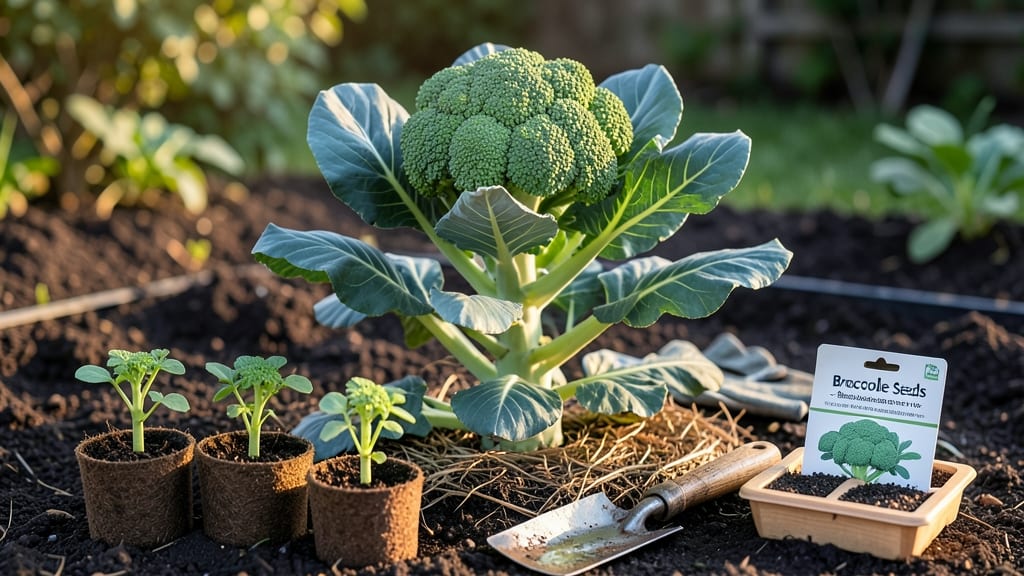
If you’ve ever wondered why your Minnesota garden’s 🥦 crop either bolts in the heat or wilts from frost, the answer lies in timing—specifically, when to plant broccoli in Minnesota for maximum success.
This cool-weather veggie thrives when soil temperatures hover between 40°F and 85°F, but Minnesota’s unpredictable frost dates mean planting too early or late can spell disaster.
Most gardeners in zones 4a-5b rush to plant broccoli as soon as the snow melts, but that’s a recipe for disappointment. The key is aligning your planting window with Minnesota’s last frost date—typically mid-May—while also accounting for fall harvests before the first frost in mid-October.
In this guide, I’ll break down the exact frost-free planting schedule for both spring and fall, including whether to direct-sow seeds or transplant seedlings for the best results. You’ll also discover how to stretch your harvest with succession planting and cold-hardy varieties that Minnesota gardeners swear by.
Ready to grow head-sized broccoli that’s ready to harvest from late summer through fall? Let’s dive into the timing secrets that’ll transform your garden from hit-or-miss to homegrown success.
Minnesota broccoli planting calendar by hardiness Zone (3-5)
Minnesota’s cool climate and short growing season demand precise timing for broccoli cultivation. Whether you’re in Zone 3 (northern MN) or Zone 5 (southern MN), planting too early risks frost damage, while late planting cuts harvests short.
The key? Align planting with soil temperatures and frost dates—typically mid-May for last frost and mid-October for first frost.
Broccoli thrives in cool weather, making spring and fall the ideal seasons.
Spring plantings should start 4-6 weeks before last frost (early April to early May), while fall plantings need 8-10 weeks before first frost (late July to early August). Direct sowing or transplanting seedlings both work, but seedlings give you a head start in Minnesota’s chilly start.
Here’s how to time it perfectly for Zones 3-5, including soil temp checks and frost-free windows:
| Zone | Spring Planting Window | Fall Planting Window | Soil Temp (°F) | Last Frost Date |
|---|---|---|---|---|
| 3 (Northern MN) | Late April–May 10 | Late July–August 1 | 40–50°F | May 15–20 |
| 4 (Central MN) | Early April–May 5 | July 20–August 5 | 45–55°F | May 1–10 |
| 5 (Southern MN) | Mid-March–April 30 | August 1–15 | 50–60°F | April 25–May 5 |
🌱 Pro Tip: Use a soil thermometer—broccoli roots need 40°F+ to thrive.
For direct sowing, scatter seeds ¼ inch deep and 1 inch apart, thinning to 12–18 inches apart as seedlings grow. If transplanting, choose 4–6 week-old seedlings and harden them off for 7–10 days before planting. Mulch with straw to retain moisture and protect roots from temperature swings.
Minnesota’s unpredictable weather means flexibility is key. Monitor 7-day forecasts and adjust planting if late frosts loom. Row covers can extend your window by 2–3 weeks in spring or fall, giving broccoli extra protection. In Zone 3, prioritize early-maturing varieties (like ‘De Cicco’) to avoid harvest delays.
Fall plantings are trickier but rewarding. Start seeds indoors in July or transplant mid-to-late August for a late-September harvest. Use black plastic mulch to warm soil faster in cooler zones. Succession planting every 2 weeks in spring ensures a staggered harvest, maximizing your garden’s productivity.
One common mistake? Planting broccoli too close to summer’s heat. By July, temperatures above 80°F stress plants, causing bolting (premature flowering). Stick to spring and fall plantings, and you’ll avoid this pitfall. Shade cloth (30–50%) can help if summer planting is unavoidable.
Finally, test your soil before planting—broccoli prefers pH 6.0–7.0 and rich, well-draining soil. Amend with compost or aged manure for best results. With these timelines, your Minnesota broccoli will thrive, yielding tender, flavorful heads all season long.
5 Pro tips to extend Minnesota’s broccoli growing season
Minnesota’s short growing season can feel like a race against time for broccoli lovers. But with the right strategies, you can push your planting windows earlier or later, ensuring a steady harvest from late summer to frost.
The trick? Combining cold protection, succession planting, and heat-tolerant varieties to outsmart Minnesota’s unpredictable weather.
First, start seedlings indoors 4-6 weeks before your last frost date (typically mid-April for most of the state). This gives you a head start on the season, letting you transplant hardened-off plants as soon as the soil warms to 40°F.
For gardeners in zone 3, this might mean planting in early May—just don’t rush it!
Here’s where the magic happens: use row covers or cold frames to extend your spring planting window by 2-3 weeks. These simple tools create a microclimate that shields young plants from late frosts while still allowing sunlight and air circulation.
Just remove covers when temps rise above 50°F to prevent overheating.
One common mistake Minnesota gardeners make? Ignoring soil temperature. Broccoli seeds won’t germinate well in cold, wet soil, so wait until the ground reaches at least 40°F—even if the air feels warmer. Use a soil thermometer to check, or plant in raised beds, which warm up faster.
For fall plantings, aim to sow seeds 8-10 weeks before your first frost (usually late July to early August). If you’re unsure about timing, err on the side of earlier—broccoli grows slower in cool fall weather than in spring’s warmth.
And remember: harvest before buds open, or you’ll lose that tender, sweet flavor we all love.