
Flowers
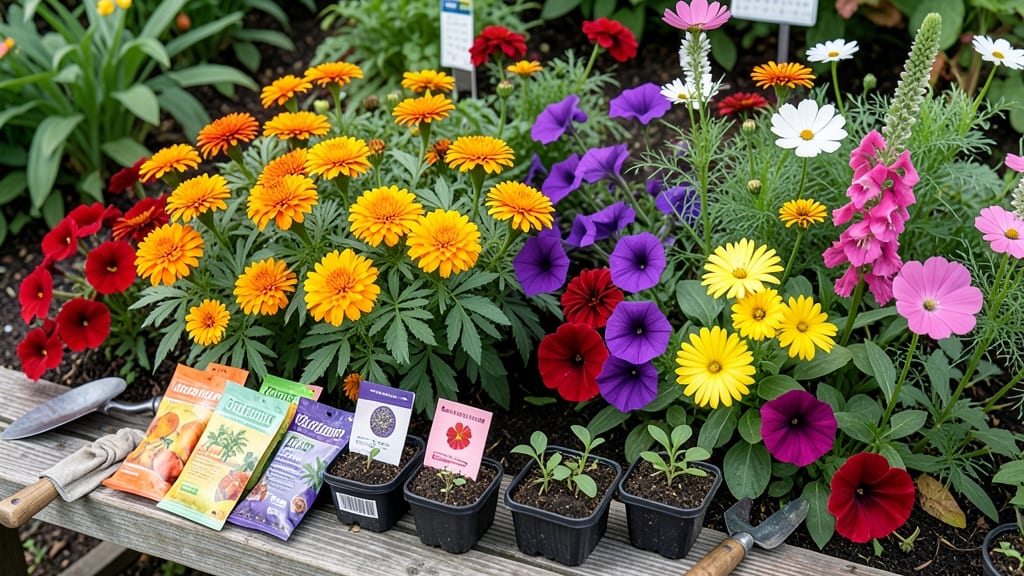
If you’ve ever planted Flowers 🌸 in Zone 8 only to watch them struggle or bloom late, you’re not alone—timing is the secret weapon for a show-stopping garden.
Zone 8’s mild winters and long summers mean you’ve got two prime chances to plant: fall and spring. But getting it wrong can mean wilting blooms or stunted growth before they even take off.
The key? Knowing when to tuck in cool-season favorites versus when to let warm-season stars shine.
I’ve tested the best planting windows for annuals, perennials, and bulbs—so you don’t have to. Whether you’re dreaming of spring’s first pansies or summer’s bold sunflowers, this guide cuts through the guesswork to help you plant with confidence.
Ready to transform your garden into a year-round color explosion? Let’s dive into the perfect timing for every flower type—no more missed seasons, just blooms that steal the show.

Best planting months for annuals, perennials, and bulbs in Zone 8
Zone 8’s mild winters and long summers create a perfect window for planting flowers year-round—but timing still matters. Cool-season flowers thrive in early spring and fall, while warm-season varieties need summer’s heat to flourish. Understanding these cycles ensures your garden stays colorful from February to December.
First, mark your calendar for Zone 8’s average frost dates: January 15 (last frost) and December 15 (first frost). These dates help you avoid planting too early or late. For example, pansies and calendulas can handle light frosts, while marigolds and petunias need warmer soil to germinate.
Here’s the breakdown of ideal planting windows for each flower type in Zone 8:
| Flower Type | Best Planting Months | Notes |
|---|---|---|
| Cool-Season Annuals | February–March, September–October | Pansies, snapdragons, sweet peas |
| Warm-Season Annuals | April–May, June–July | Marigolds, petunias, zinnias |
| Perennials | September–November (fall) or March–April (spring) | Daylilies, coneflowers, black-eyed Susans |
| Spring-Blooming Bulbs | September–October | Tulips, daffodils, crocuses |
| Summer-Blooming Bulbs | March–April | Dahlias, gladiolus, cannas |
For spring planting, focus on March and April when soil temperatures rise above 60°F (15°C). This is prime time for warm-season annuals like zinnias and cosmos, which love the heat. If you plant too early, seedlings may rot in cold soil.
Fall planting is equally important. September and October are ideal for perennials and spring-blooming bulbs because cool temperatures encourage root growth without the stress of summer heat. For example, lavender and salvia thrive when planted in early fall.
Don’t overlook succession planting—a technique where you plant fast-growing annuals like basil flowers or nasturtiums every 4–6 weeks to keep your garden blooming nonstop. This works especially well for summer containers or cutting gardens.
Microclimates in Zone 8 can shift planting times by 2–4 weeks. If you live in a cooler coastal area, like San Francisco, plant cool-season flowers a month later. Conversely, inland valleys (e.g., Sacramento) can handle warm-season plants 2 weeks earlier than coastal zones.
Pro tip: Use a soil thermometer to check if soil is 60°F+ before planting warm-season flowers. If it’s cooler, wait a week or two—your plants will thank you with stronger growth and more blooms.
Finally, bulbs are a game-changer for Zone 8 gardeners. Plant spring-blooming bulbs in fall (September–October) and summer-blooming bulbs in early spring (March–April). This ensures you get early spring color from tulips and late-summer drama from dahlias.
Best planting months for annuals, perennials, and bulbs in Zone 8
In Zone 8, your flower garden can burst with color year-round—but only if you plant at the right time. The last frost date (around January 15) and first frost (about December 15) bookend your planting windows.
Cool-season flowers like pansies and snapdragons thrive when planted in fall, while warm-season stars such as marigolds and zinnias need spring to shine.
Spring planting kicks off in February for heat-loving annuals, but wait until March or April for perennials to avoid frost damage. Fall is your second chance—plant bulbs like tulips and daffodils in September–November for early spring blooms. The key? Match your flower type to the season’s natural rhythm.
| Flower Type | Best Planting Month | Bloom Season | Notes |
|---|---|---|---|
| Cool-Season Annuals | September–November | Winter–Spring | Pansies, snapdragons, sweet peas |
| Warm-Season Annuals | February–April | Spring–Fall | Marigolds, zinnias, sunflowers |
| Spring-Blooming Bulbs | September–October | Spring | Tulips, daffodils, hyacinths |
| Perennials | March–April (Spring) or September (Fall) | Year-round (varies) | Daylilies, lavender, coneflowers |
For annuals, aim to plant 6–8 weeks before your last frost for warm-season varieties and 4–6 weeks before for cool-season types. Perennials benefit from fall planting—they establish roots before winter and burst into bloom earlier.
I’ve found that daylilies and black-eyed Susans planted in September often outperform spring-planted ones.
Bulbs are a Zone 8 gardener’s secret weapon. Plant spring-blooming bulbs in fall (by November) so they chill naturally. Summer-blooming bulbs, like dahlias, wait until spring (after last frost). Pro tip: Add a 2-inch layer of mulch after planting to protect roots from temperature swings.
Don’t overlook succession planting—stagger your annuals every 2–3 weeks in spring and summer for nonstop blooms. For example, plant marigolds in February, then again in April and June to keep the color train rolling. This trick works especially well for cutting gardens or container displays.
Microclimates matter! If your garden sits in a warmer microclimate (like near a south-facing wall), you can push planting dates 2–3 weeks earlier for warm-season flowers. Conversely, cooler pockets (like shaded areas) may need a later start.
Always check your local frost dates—they can vary by 1–2 weeks even within Zone 8.