Planting
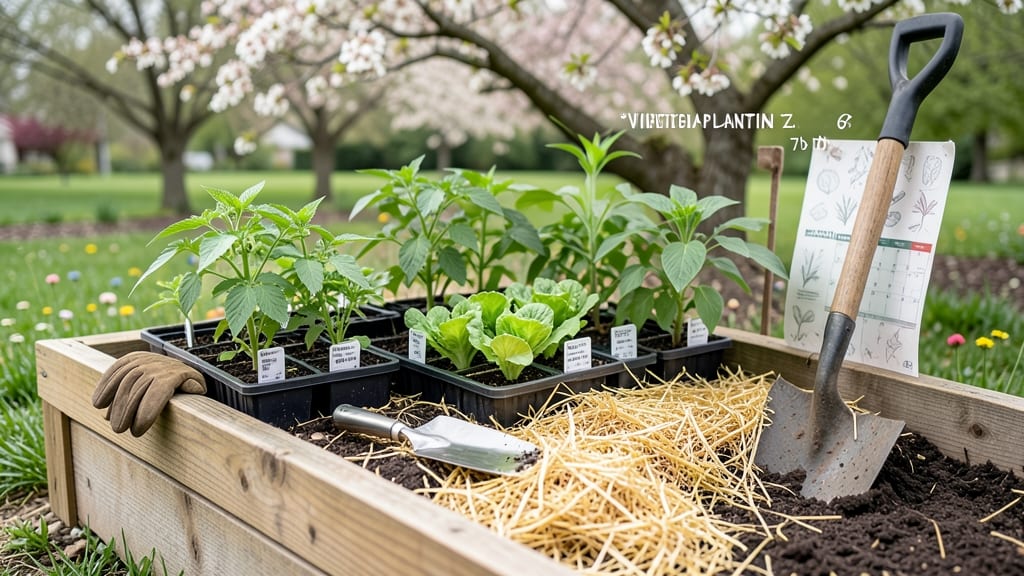
Timing your garden planting in Virginia wrong can mean the difference between a bountiful harvest and a sad, frost-nipped disappointment. With last frost dates that shift from March in the Coastal Plain to May in the mountains, knowing when to plant is the key to success.
I’ve spent years watching Virginia’s gardens thrive—and fail—and the secret isn’t just luck. It’s about understanding your specific zone, whether you’re in the Piedmont’s rolling hills or the Coastal Plain’s warmer climes. Get this right, and you’ll enjoy fresh tomatoes, crisp lettuce, and vibrant flowers all season long.
In this guide, I’ll break down the exact planting windows for your region, from early spring starts to late-summer succession plantings. You’ll learn how to avoid common mistakes like planting heat-lovers too soon or cool-season crops too late.
Ready to turn your backyard into a thriving garden? Let’s dive into the zone-specific deadlines that’ll make your harvests the envy of the neighborhood.
Virginia planting zones & last frost dates by region (2024 guide)
Virginia’s gardening success starts with knowing your USDA hardiness zone and average frost dates. The state spans zones 5b through 8a, meaning frost timings vary wildly—from late April in the mountains to February in coastal areas.
I’ve spent years tracking these dates, and here’s what you need to know for 2024 planting.
Your zone determines what you can grow and when to plant. For example, Zone 5b (northern Virginia) has a last frost around April 15, while Zone 8a (Tidewater) sees frost as late as January 10. These differences mean your neighbor’s planting schedule might not work for you!
Here’s the critical frost data for Virginia’s key regions, based on 2024 historical averages and microclimate exceptions. Bookmark this—it’s your planting bible.
| Region | USDA Zone | Last Spring Frost | First Fall Frost | Frost-Free Days |
|---|---|---|---|---|
| Northern VA (Shenandoah Valley) | 5b-6a | April 15 - May 1 | October 15 - 31 | 150-170 days |
| Central VA (Charlottesville, Richmond) | 7a-7b | March 20 - April 5 | November 1 - 15 | 190-210 days |
| Coastal VA (Hampton Roads, Norfolk) | 8a | February 15 - March 1 | December 1 - January 10 | 240-270 days |
| Southwest VA (Roanoke, Blacksburg) | 6b-7a | April 1 - 15 | October 20 - November 5 | 170-190 days |
🌱 Note: Microclimates (like urban heat islands or valleys) can shift frost dates by 2-3 weeks.
If you’re in Zone 5b or 6a, don’t rush to plant warm-season crops like tomatoes or peppers until after your last frost—waiting until May 10 gives them a fighting chance. Meanwhile, Zone 8a gardeners can start warm-season plants as early as March 1 without frost risk.
Pro tip: Use Virginia Cooperative Extension’s frost maps for real-time updates. I check theirs weekly to adjust my succession planting schedule. For example, in Zone 7b, I plant bush beans every 2 weeks from May through July to stretch my harvest.
Remember, soil temperature matters more than air temperature. Test it with a soil thermometer—most cool-season crops need soil at 45°F+, while warm-season crops thrive at 60°F+. In Virginia, this often means waiting until mid-May for tomatoes, even if nighttime temps are mild.
For fall planting, aim to get cool-season crops in the ground 6-8 weeks before your first frost. That means Zone 5b gardeners should plant by September 1, while Zone 8a can push it to November 1.
Don’t wait too late—frost can sneak in faster than you think!
One common mistake? Planting peppers and eggplants too early. These heat-lovers won’t germinate below 65°F, so I wait until after Mother’s Day** in most of Virginia. Patience pays off with bigger yields!
🌿
Best vegetables to plant in Virginia by season (with exact months)
Virginia’s diverse climate zones mean your spring planting in Zone 5b (like the Shenandoah Valley) differs drastically from Zone 8a (Coastal Plain). Cool-season crops like broccoli and spinach thrive in March-April for northern regions, while southern Virginia can start as early as February.
Warm-season favorites like tomatoes and peppers wait until after May 15—unless you use row covers.
For continuous harvests, use succession planting. Sow lettuce every 2 weeks from March to September, and bush beans every 3 weeks from May to July.
Southern Virginia’s longer growing season lets you squeeze in two tomato crops: one in spring and another in late summer.
Virginia’s ‘Spanish moss’ window (a local term for late-winter warmth in the south) lets Zone 7-8 gardeners plant warm-season crops like squash as early as February. Northern zones must wait until mid-May to avoid frost damage. Always check your last frost date—even a 50°F night can kill tender seedlings.
| Crop | Cool-Season Planting | Warm-Season Planting | Succession Tip |
|---|---|---|---|
| Spinach | March–April (Zone 5b) Feb–March (Zone 7a) |
— | Sow every 2 weeks for fall harvest |
| Tomatoes | — | May 15–June 1 (all zones) Feb (Zone 7b+) |
Use heat-tolerant varieties like ‘Celebrity’ |
| Peppers | — | May 1–June 1 (Zone 5b) March (Zone 7a+) |
Start indoors 8–10 weeks before last frost |
| Green Beans | April–May (all zones) | June–July (Zone 5b) May (Zone 7a+) |
Plant every 3 weeks for extended harvest |
Don’t overlook fall planting—Virginia’s second growing season (September–October) is perfect for kale, radishes, and carrots. In Zone 7a+, you can even grow winter greens like collards until December. Just remember: soil temps below 50°F slow root growth, so avoid planting cool-season crops too late.
For container gardening, warm-season crops like basil and cucumbers thrive in pots but need daily watering during Virginia’s humid summers. Place containers near south-facing walls to maximize sun exposure. In Zone 5b, move pots indoors before October 15 to protect tender plants from early frosts.
Pro tip: Use frost cloth to extend spring planting by 2–3 weeks. It’s especially useful for Zone 6a gardeners in the Piedmont region, where late frosts are common. Always remove covers during the day to prevent overheating—your seedlings will thank you with faster growth.