Plants
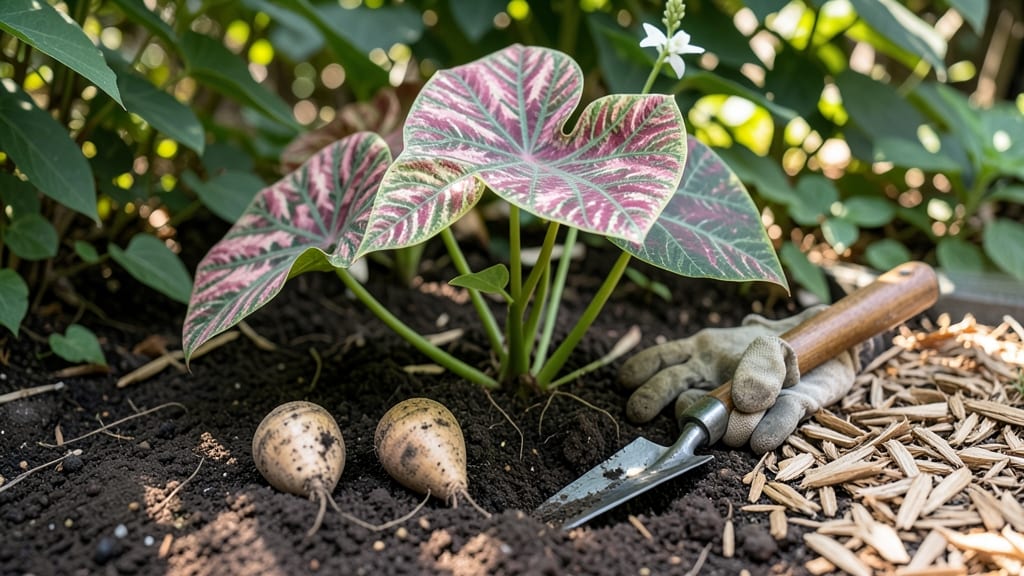
Timing the planting of caladium bulbs in Houston can feel like solving a puzzle—one wrong move, and your vibrant foliage might wilt before summer even arrives.
But get it right, and you’ll unlock a garden bursting with heart-shaped leaves in every shade of pink, purple, and white, thriving just before the heat peaks.
Houston’s USDA Zone 9a climate means you’ve got a narrow window to work with—typically between March and April, once the soil warms to 65°F and the threat of frost has faded.
Plant too early, and your tubers might rot; too late, and you’ll miss the sweet spot for lush growth before the summer sun intensifies.
I’ve learned the hard way that soil prep and shade placement are just as critical as timing. Caladiums crave rich, well-draining soil and partial shade, especially in Houston’s humid afternoons.
Whether you’re a seasoned gardener or a beginner, mastering these details will set you up for showstopping foliage all season long.
Let’s break down the exact steps to plant your caladiums for maximum impact—so you can enjoy their stunning colors without the guesswork. Ready to transform your garden?
Houston’s ideal caladium planting calendar: month-by-month breakdown
Houston’s Zone 9a climate creates a unique challenge for caladium bulbs—too early, and they rot in soggy spring soil; too late, and summer’s brutal heat stunts their growth. The ideal window is March through early April, when soil warms to 65°F+ and morning humidity drops.
This timing lets your caladiums establish roots before Houston’s 90°F+ afternoons arrive.
Think of it like a two-phase race: Phase 1 is root growth in cooler soil, and Phase 2 is foliage explosion when heat arrives. Planting in late February risks cold snaps, while May planting often yields weak, heat-stressed plants.
Aim for mid-March as your sweet spot—when azalea blooms signal safe soil temps.
Here’s the month-by-month breakdown tailored to Houston’s unpredictable spring rains and humidity spikes:
| Month | Soil Temp | Planting Status | Key Action |
|---|---|---|---|
| February | 55–60°F | ❌ Too early | Wait for consistent 60°F+ soil temps |
| March | 65–75°F | ✅ Ideal | Plant after last frost (typically mid-March) |
| April | 70–80°F | ✅ Still good | Last chance for strong root establishment |
| May | 80–90°F | ⚠️ Risky | Use shade cloth if planting late |
Houston’s microclimates play a huge role—shadier north-side yards can handle earlier planting (late February), while sun-baked south exposures may need to wait until mid-April. Test soil with a thermometer (65°F is your magic number) before committing.
Pro tip: Mulch heavily after planting to lock in moisture during Houston’s dry spells.
If you miss the March-April window, don’t despair—caladiums are tolerant of heat once established. May planting still works if you use 50% shade cloth and daily watering.
The trade-off? Slower foliage development, but you’ll still get vibrant colors by summer’s end. Just avoid planting after June 1st, when Houston’s heat becomes too intense.
Timing isn’t just about months—it’s about weather patterns. Houston’s spring rains (March–May) can delay planting, while unseasonable cold snaps (like our 2021 freeze) demand patience. Use a soil thermometer and local frost data (like KHOU’s forecasts) to adjust.
For example, if April showers keep soil cold, wait until May 1st—better late than soggy.
One Houston-specific hack is planting near existing shade trees (like oak or pecan) to create a natural microclimate. These areas stay 5–10°F cooler than open sun, giving caladiums a head start.
Pair this with organic mulch (like pine straw) to mimic Houston’s native forest floors—your plants will thank you with bigger, brighter leaves.
Remember: Caladiums are foliage stars, not flowers. Their heart-shaped leaves thrive when planted just before Houston’s heat peaks (late May–June). If you plant too early, you’ll get lanky, weak growth before summer arrives.
If too late, the foliage won’t mature in time for peak display. The March–April window is your golden ticket to showstopping color by Memorial Day.
For container gardeners, timing shifts slightly—you can plant 2–3 weeks earlier (late February) since pots warm faster. Just ensure your containers have drainage holes to prevent root rot from Houston’s humidity. Use a lightweight potting mix with perlite to improve drainage in these urban microclimates.
Final pro tip: Mark your calendar for March 15th—this is Houston’s average last frost date. Plant 1–2 weeks after this date for foolproof success. And if you’re new to caladiums,
Signs your Houston soil is ready for caladiums (and how to fix common mistakes)
Houston’s clay-heavy soil and humidity spikes can turn caladium planting into a gamble if you don’t check these three critical signs first. I’ve seen tubers rot in soggy soil or wither in compacted ground—both mistakes are easy to avoid with a quick soil assessment.
Start by testing your soil’s temperature and moisture before planting.
First, use your finger to dig down 4-6 inches—the ideal depth for caladium tubers. The soil should feel warm to the touch (at least 65°F) and slightly damp, like a wrung-out sponge.
If it’s still cold or bone-dry, wait another week. Houston’s spring warmth arrives fast, but rushing can lead to root rot in chilly soil.
Mistake 1: Planting before last frost (Jan 15 avg). Tubers rot at 50°F or below.
Mistake 2: Ignoring afternoon shade. Direct sun scorches leaves by May.
Mistake 3: Skipping organic matter. Houston clay suffocates roots without compost.
Next, check drainage by digging a small hole and filling it with water. If it drains in under 30 minutes, your soil’s ready. If water pools after an hour, amend with perlite or sand to prevent root suffocation.
I’ve added 5 gallons of compost per 10 sq ft of bed to improve both drainage and nutrient retention—caladiums thrive in rich, loamy soil.
For acidity levels, aim for a pH between 6.0 and 6.5. Houston’s alkaline soil often skews higher, so test with a kit and adjust with sulfur or peat moss if needed.
Overly acidic soil (below 5.5) can stunt growth, while alkaline soil (above 7.0) locks out essential nutrients like iron.
Don’t overlook microclimates—shady spots under trees or north-facing beds stay cooler longer. These areas are perfect for early planting in February, while sunnier spots may need to wait until mid-April. I’ve planted caladiums in containers near my patio’s east-facing wall to extend the season by 2-3 weeks.
Finally, mulch with 2-3 inches of shredded bark after planting to retain moisture and regulate soil temperature. This step is non-negotiable in Houston’s sweltering summers—it keeps roots cool and reduces watering frequency by 30%. With these checks complete, your caladiums will have the perfect foundation to flourish.