
Planting
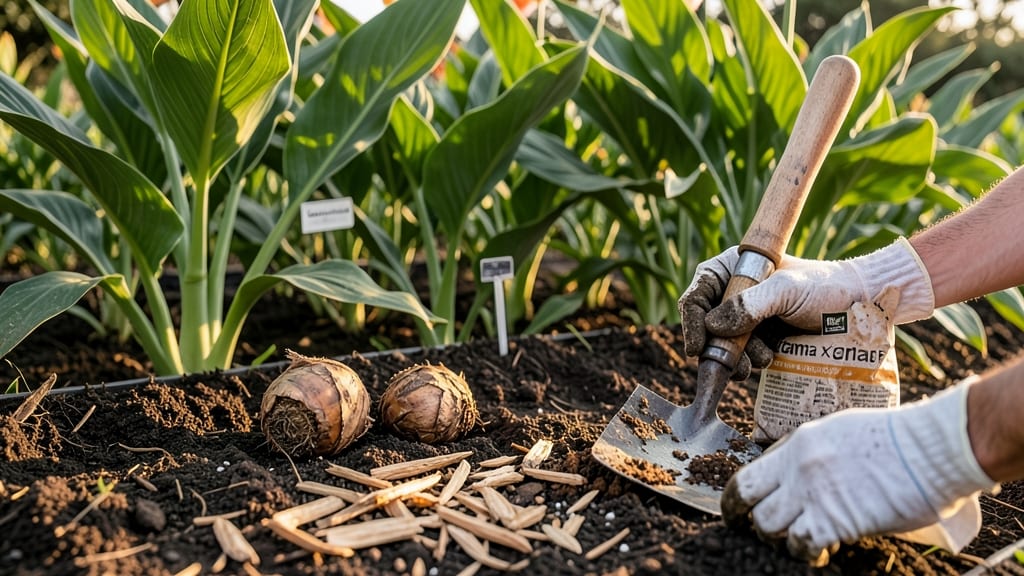
Planting your Canna Lily 🌺 bulbs at the wrong time in spring means waiting months for those showstopping blooms—or worse, watching them fail before they even begin.
The key to success isn’t just waiting for frost-free days; it’s knowing when the soil has warmed enough to trigger those bold, tropical blooms.
Most gardeners in Zone 6a and beyond make the same mistake: rushing to plant as soon as the last frost passes. But canna lilies are heat-lovers—they won’t thrive until the soil hits at least 60°F.
That’s why timing matters more than calendar dates, and why a simple soil test can save you from disappointment.
In this guide, I’ll show you exactly when to plant canna bulbs in spring for maximum impact, including how to check soil temperature and adjust for your region. You’ll also learn the 3 signs your soil is finally ready—and the mistakes that could derail your garden before summer even arrives.
Whether you’re a first-time planter or a seasoned gardener, getting this right means more vibrant blooms and fewer wilted leaves. Let’s get those cannas in the ground at the perfect moment.
Soil temperature rules for planting canna bulbs in spring
Canna lilies thrive in warm soil, and planting them too early—when temperatures hover in the 50s°F—can trigger rot before they even sprout. The magic number? 60°F soil temperature is your green light.
This heat-loving bulb won’t tolerate cold soil, so timing is everything for those dramatic tropical blooms you’re dreaming of.
Most gardeners in USDA Zones 7-10 can plant canna rhizomes as early as late April to early May, but don’t rely on air temperature alone.
A soil thermometer ($10 at garden centers) is your best friend here—stick it in the ground where you’ll plant, and wait until it consistently reads 60°F+ for 3-5 days. In cooler zones (like Zone 6), you might need to wait until mid-to-late May.
Here’s the kicker: Canna varieties differ in heat tolerance. The 'Tropical Sun' series, for example, demands warmer soil (65°F+) to thrive, while 'Striped' cannas are slightly more forgiving. Always check your specific variety’s tag—some even list ideal soil temps right on the packaging.
| Zone | Planting Window | Soil Temp Threshold | Best Varieties |
|---|---|---|---|
| 6-7 | Mid-to-late May | 60°F+ (wait for warmth) | 'Pactolus', 'Lucifer' |
| 8-9 | Early April to May | 60°F+ (earlier if warmed) | 'Tropical Sun', 'Durban' |
| 10+ | February-March | 65°F+ (tropical varieties) | 'Striped', 'Red Hot' |
Pro tip: If your soil is still chilly, speed up warming by covering the bed with black plastic mulch 1-2 weeks before planting. This trick can add 5-10°F to soil temperature, giving your cannas a head start. Just remove the plastic right before planting to avoid overheating the rhizomes.
For container gardeners, warmth is easier to control. Place pots in a sunny, sheltered spot (like a patio or greenhouse) and pre-warm the soil by soaking the container in warm water (100°F) for 10 minutes before planting. This mimics the tropical conditions cannas crave.
One common mistake? Planting cannas based on air temperature alone. A 70°F day with 55°F soil is still too cold—rhizomes need that consistent warmth to break dormancy. Always check soil temp, even if the forecast says "spring has sprung."
Once your soil hits 60°F+, act fast! Plant rhizomes 4-6 inches deep and 12-18 inches apart, with the eyes (growth nodes) facing up. Water deeply right after planting to settle the soil, but avoid soggy conditions—drainage is key to preventing rot.
In my Zone 7 garden, I’ve learned the hard way that May 15th is my canna deadline. Planting earlier than that means wilting leaves by July, while waiting until June guarantees peak summer blooms.
Use a garden journal to track your local soil temps—you’ll spot patterns in just a few years.
Remember: Patience pays off with cannas. Rushing the process might save you a week, but it’ll cost you months of stunted growth. Let the soil warm naturally, and your cannas will reward you with bold, tropical blooms that steal the show all summer long. 🌺
5 Signs your soil is ready (and 3 mistakes to avoid)
Planting canna bulbs too early is like handing a tropical vacationer a snow globe—they’ll just sit there confused. But how do you know when your soil is truly ready? Look for these 5 clear signs your garden is inviting these heat-lovers to party.
First, check for active earthworms in your soil. Their presence means the ground has warmed enough to support life—and that’s a great sign for your canna rhizomes. Earthworms thrive in soil above 55°F, so if you spot them, your cannas are likely safe to plant.
Next, watch for maple tree leaf drop. When maple leaves begin falling in spring, it’s often a reliable indicator that soil temperatures have reached the 60°F threshold cannas crave. This natural calendar is especially helpful in cooler climates where frost lingers.
Use a soil thermometer for precision. Stick it 2-3 inches deep (where your rhizomes will live) and wait until it consistently reads 60°F or warmer for at least 3 days. Morning readings are best—soil cools overnight, and you want daytime warmth.
Another telltale sign is sprouting weeds. Fast-growing annuals like crabgrass or chickweed appear when soil is warm enough to support germination. If they’re popping up, your cannas will too—just give them more space!
Finally, test your soil’s moisture retention. Press your finger 2 inches deep—if the soil feels damp but not soggy, it’s ready. Cannas hate soggy feet, so well-draining soil is non-negotiable for their success.
| Sign | What It Means | Action |
|---|---|---|
| Earthworms present | Soil temp ≥55°F | Plant if soil thermometer confirms 60°F+ |
| Maple leaves dropping | Soil warming trend | Wait 1-2 weeks for stability |
| Weeds sprouting fast | Soil >60°F consistently | Plant immediately |
| Soil thermometer: 60°F+ | Optimal planting temp | Proceed with planting |
| Damp but not soggy | Good drainage | Amend if needed with compost |
Now, let’s talk about the 3 planting mistakes that sabotage even the best-timed cannas. First, planting too early when soil is still cool. Rhizomes rot at 50°F or below, so resist the urge to get a head start. Patience pays off with lush, healthy growth.
Second, overwatering at planting. Cannas need moisture, but soggy soil suffocates their roots. Water just enough to settle the soil around rhizomes, then wait until the top inch is dry before watering again. Think "consistently moist," not "waterlogged."
Finally, ignoring drainage leads to root rot. If your garden holds water after rain, amend the soil with perlite or sand to improve airflow. Raised beds are a game-changer for heavy clay soils—cannas thrive when their roots aren’t drowning.
With these signs and pitfalls in mind, you’ll plant your cannas at the perfect moment—just in time for their bold summer blooms to steal the show. 🌺