Planting
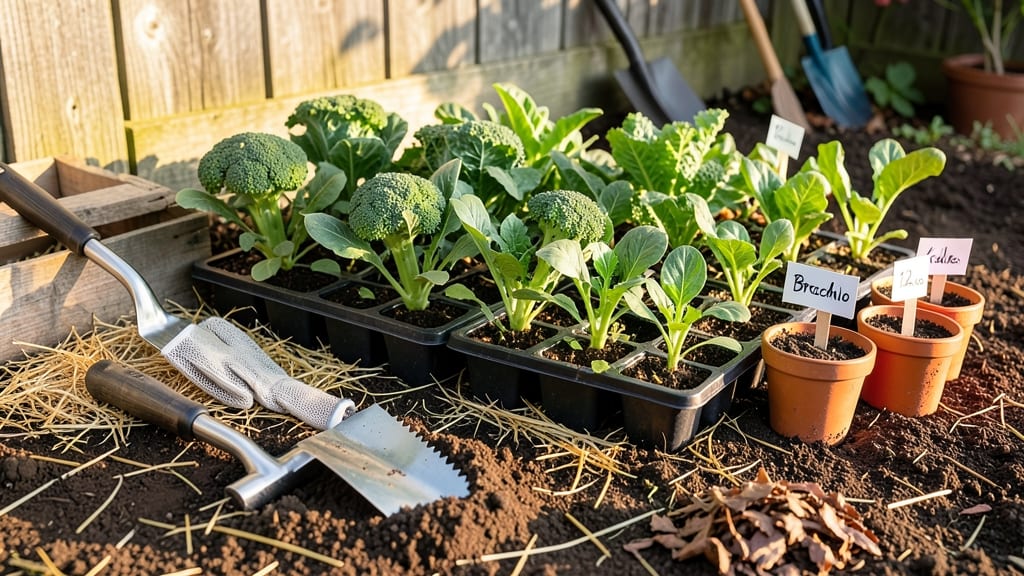
When to plant a fall garden in NC could mean the difference between a bumper crop and a sad, wilted disappointment. With the right schedule, you’ll enjoy crisp greens and hearty roots well into November—but plant too early, and your kale might bolt before frost even arrives.
I’ve gardened through NC’s 6b-8a zones for years, and the secret isn’t just about the calendar—it’s about reading your region’s first frost dates.
Whether you’re in Raleigh or Asheville, knowing exactly when to sow your cool-season crops ensures you’re harvesting at peak flavor, not scrambling to pull plants before they freeze.
This isn’t guesswork—it’s science. By planting 4-6 weeks before your local first frost, you’ll give crops like spinach and carrots the time they need to mature. I’ll break down the perfect planting windows for your zone, plus pro tips to stretch your harvest even longer.
Ready to turn your backyard into a fall harvest goldmine? Let’s get started with the exact weeks that work for NC’s climate—no more second-guessing, just delicious results.
NC fall planting calendar: exact weeks before first frost by region
North Carolina’s fall frost dates vary dramatically between Zone 6b (mountains) and Zone 8a (coastal plains), so your planting window depends on where you live.
For Raleigh (Zone 7a), the average first frost arrives around November 1, while Asheville (Zone 6b) sees frost as early as October 15. Coastal areas like Wilmington (Zone 8a) can delay planting until late October.
To maximize your harvest, aim to plant cool-season crops 4-6 weeks before frost. This means mid-August to early October for most of NC.
For example, spinach (ready in 30-40 days) can be sown as late as September 15, while broccoli (needing 60-90 days) should start by mid-August.
📅 NC Fall Planting Summary Table
| Region/Zone | First Frost Avg. | Planting Window | Key Crops |
|---|---|---|---|
| Zone 6b (Asheville) | Oct 15 | Aug 15–Sep 15 | Kale, Spinach, Radishes |
| Zone 7a (Raleigh) | Nov 1 | Aug 1–Oct 1 | Broccoli, Carrots, Lettuce |
| Zone 8a (Wilmington) | Nov 15 | Aug 15–Oct 15 | Collards, Turnips, Peas |
⚠️ Pro Tip: Check your local Cooperative Extension for 5-year frost averages—they’re more accurate than general zone maps!
If you’re in Zone 6b, prioritize fast-maturing crops like radishes (25 days) or bush beans (50 days) to avoid early frosts. In Zone 8a, you can stretch your season later with cold-hardy greens like kale or collards, which sweeten after frost.
For Raleigh gardeners, aim for a two-phase approach: plant broccoli and cabbage in early August, then leafy greens in mid-September.
Don’t forget to adjust for microclimates. A north-facing garden in Zone 7a may frost 2 weeks earlier than a south-facing bed. Use a frost clock or local weather alerts to fine-tune your schedule.
For example, Mountain regions often see black frost (killing crops instantly) by October 30, while coastal areas might escape frost until December.
For succession planting, sow lettuce or spinach every 2 weeks from August to September to ensure a continuous harvest. This works especially well in Zone 8a, where you can extend harvests into December.
In Zone 6b, focus on one last planting of hardy crops like garlic or onions by September 15 for a spring harvest.
Use NC State Extension’s frost date tool to input your ZIP code for hyper-local advice. For instance, Charlotte (Zone 7b) has a first frost around November 5, giving you 2 extra weeks compared to Raleigh.
This means you can plant slow growers like Brussels sprouts (needing 90 days) as late as September 1 in Charlotte.
If you’re unsure about your last frost date, err on the side of earlier planting. For example, carrots take 70 days to mature, so in Zone 6b, plant them by July 15 to avoid frost.
In Zone 8a, you can push carrots until September 1. Always label your seeds with planting dates to track progress.
For container gardening, use black plastic pots to absorb heat and extend the season by 1-2 weeks. Place containers near south-facing walls to maximize warmth. In Zone 7a, this trick lets you grow bush beans until October 15 instead of September 15. Just
Finally
Best fall crops for NC Gardens and their ideal planting windows
Fall gardening in North Carolina rewards you with crisp, flavorful harvests—if you plant the right crops at the right time. The key is choosing fast-maturing varieties that thrive in cooler temps and can handle light frosts.
My top picks for NC’s fall garden include leafy greens, root vegetables, and cool-season brassicas, all timed to mature before the first frost.
For leafy greens, think spinach, kale, and lettuce, which can be sown as early as mid-August in most of NC.
These crops tolerate light frosts and even taste sweeter after a frost! Root vegetables like carrots and radishes should go in by late August to avoid woody textures from heat stress.
Meanwhile, brassicas such as broccoli and cabbage need a longer growing season, so plant them by early September at the latest.
- 🥬 Spinach: Plant 8-6 weeks before frost (Aug 15-Sept 15). Harvest in 30-45 days.
- 🥦 Broccoli: Plant 6-8 weeks before frost (Aug 1-Sept 10). Harvest in 60-80 days.
- 🍠 Carrots: Plant 10-12 weeks before frost (July 15-Aug 31). Harvest in 60-75 days.
- 🥕 Radishes: Plant 4-6 weeks before frost (Aug 15-Sept 30). Harvest in 25-30 days.
- 🥬 Kale: Plant 6-8 weeks before frost (Aug 1-Sept 15). Harvest in 50-60 days.
- 🥬 Lettuce: Plant 8-10 weeks before frost (Aug 1-Sept 15). Harvest in 30-50 days.
- 🍄 Green Onions: Plant 6-8 weeks before frost (Aug 1-Sept 15). Harvest in 50-60 days.
- 🥬 Swiss Chard: Plant 6-8 weeks before frost (Aug 1-Sept 15). Harvest in 50-60 days.
- 🥬 Cabbage: Plant 8-10 weeks before frost (July 15-Aug 15). Harvest in 70-90 days.
- 🌱 Peas: Plant 6-8 weeks before frost (Aug 1-Sept 15). Harvest in 60-70 days.
Pro tip: For fast harvests, opt for baby leaf varieties of lettuce or short-day onions, which mature in as little as 30 days. These are perfect for succession planting every 2 weeks to keep a steady supply.
If you’re in Zone 8a (like southern NC), you can even squeeze in a late October planting of hardy greens like spinach or kale, which often survive light frosts.
Don’t overlook herbs either! Cilantro and parsley thrive in fall and can be planted until mid-September. Their flavors actually intensify with cooler temps, making them ideal for late-season cooking. Just be sure to harvest before hard frosts hit, as they won’t survive prolonged cold.
For root crops, focus on varieties labeled "early maturing" or "short-day" to avoid woody textures. For example, 'Early Scarlet Globe' carrots mature in just 60 days, while 'Cherry Belle' radishes are ready in 25 days.
These quick growers are your best bet for short-season success in NC’s fall garden.
Finally, if you’re new to fall gardening, start with 5-6 easy crops to avoid overwhelm. My go-to list for beginners: spinach, lettuce, radishes, green onions, and kale. These are forgiving, fast-growing, and cold-hardy, making them perfect for first-timers.