
How To
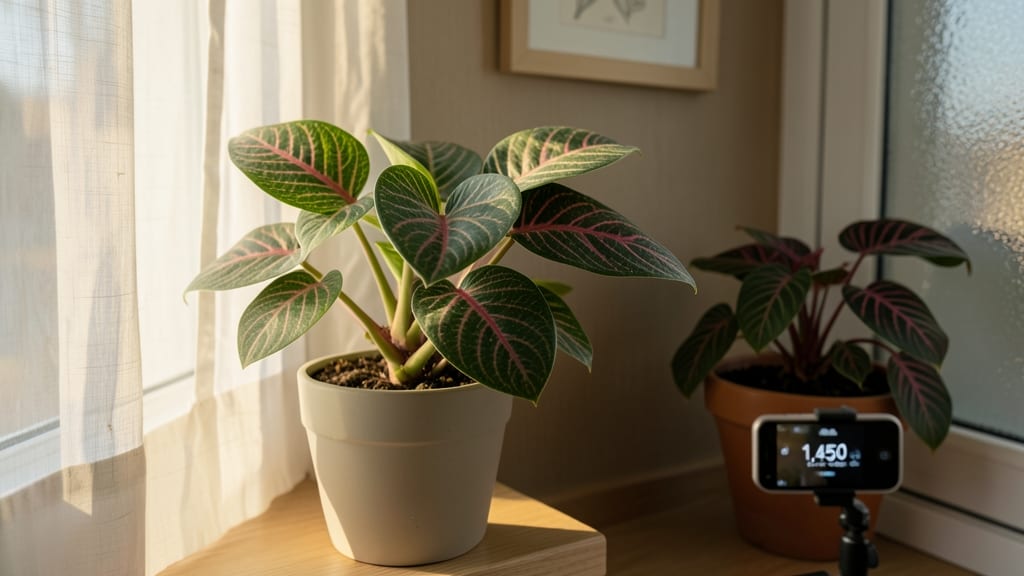
If your Prayer Plant 🌿’s stunning variegation is fading or its leaves are turning dull, you’re probably not giving it the right amount of light it needs—and that’s completely fixable.
The key to keeping this tropical beauty thriving lies in understanding its delicate light requirements, which are far more nuanced than you might think.
Most people assume bright light means direct sunlight, but that’s actually the fastest way to scorch your Prayer Plant’s leaves. Instead, it craves bright, indirect light—think of it like a gentle morning glow rather than harsh afternoon rays.
Getting this balance right can make the difference between a plant that wows and one that struggles.
I’ve seen firsthand how a single adjustment—like moving a plant from a west-facing window to an east-facing one—can transform its growth in just a few weeks.
The secret isn’t just about placement, though; it’s also about recognizing the subtle signs your plant gives when it’s getting too much or too little light.
In this guide, I’ll walk you through exactly how to create the perfect light environment for your Prayer Plant, from diagnosing common mistakes to optimizing its spot based on your home’s natural lighting. Let’s bring back that vibrant variegation and keep your plant happy for years to come.

Ideal light requirements for prayer plant variegation (indirect sunlight explained)
Prayer plants (Maranta leuconeura) are famous for their stunning variegated leaves, but those patterns rely on just the right light. Too little light dulls their colors, while too much causes leaf burn.
The sweet spot? Bright indirect light—think filtered sunlight through a sheer curtain or an east-facing window.
Most prayer plants thrive with 4-6 hours of bright indirect light daily. This mimics their natural understory habitat in tropical forests, where dappled sunlight reaches the forest floor. The key is avoiding harsh afternoon rays, which can scorch delicate foliage and fade variegation over time.
Here’s how to visualize the perfect setup: Imagine placing your plant 2-3 feet from an east-facing window. Morning sun is gentle, while afternoon light fades naturally by midday.
If your home lacks natural light, grow lights with a 6500K color temperature can replicate ideal conditions—just keep them 12-18 inches above the plant for 12-14 hours daily.
Seasonal shifts matter too. In summer, your prayer plant may need more shade protection—even east windows can become too intense. Move it 5-6 feet back or use a sheer curtain to diffuse light.
Conversely, winter’s weaker sunlight might require supplementing with a LED grow bulb for 4-6 hours daily to maintain variegation.
Pro tip: Rotate your plant quarter-turn weekly to ensure even light exposure. Uneven growth (like one side leaning toward the window) is a classic sign of light deprivation. This simple habit keeps your prayer plant’s foliage symmetrical and lush.
Watch for leaf color changes as your first clue. Healthy variegation stays crisp, while dull or solid green leaves scream for more light. Conversely, yellow or brown patches mean it’s getting too much direct sun. Adjust placement gradually—sudden changes stress the plant.
For outdoor growers, prayer plants make stunning patio plants in partial shade gardens. Place them under dappled tree canopies or near north-facing walls where sunlight is gentle. Just bring them indoors before temperatures drop below 60°F—cold drafts stress the plant, compounding light-related issues.
Remember, variegation is a light-dependent trait. The more chlorophyll-rich green areas your prayer plant develops, the less vibrant its patterns become. By mastering bright indirect light, you’ll unlock that showstopping foliage every time.
Signs your prayer plant isn’t getting enough (or too much) light
Your prayer plant communicates its light needs through subtle (and not-so-subtle) clues. Variegation loss is the first red flag—when the white or pink stripes fade to solid green, it’s begging for brighter conditions. This happens because chlorophyll production dominates in low light, masking those stunning patterns.
Watch for leggy growth too—long, sparse stems with tiny leaves mean your plant is stretching toward any available light.
This is its survival instinct, but it also weakens the plant’s structure. Yellowing leaves, especially on older foliage, can signal either too much direct sun or inconsistent watering triggered by light stress.
For direct sunlight exposure, look for crispy, brown patches on leaves—these are sunburn scars. Unlike variegation loss, these damage the plant’s ability to photosynthesize. Curling leaves can also indicate stress from intense afternoon rays, especially in south-facing windows.
Don’t overlook the soil moisture connection—plants in bright light dry out faster, so you might see dry, cracking soil even if you’re watering regularly. Conversely, low-light plants often sit in soggy soil because their slower metabolism means they don’t drink as much.
Rotate your prayer plant every 2-3 weeks to ensure even light exposure. This prevents one side from becoming permanently lopsided or discolored. If you notice new growth looking healthier than older leaves, it’s a clear sign your plant is finally getting the right light balance.
Pro tip: Place your plant near a window but not touching it—2-3 feet away is ideal. If you’re unsure about your space, use a light meter app (many are free) to check the lux levels. Aim for 1,000-2,000 lux for bright indirect light.