
Plants
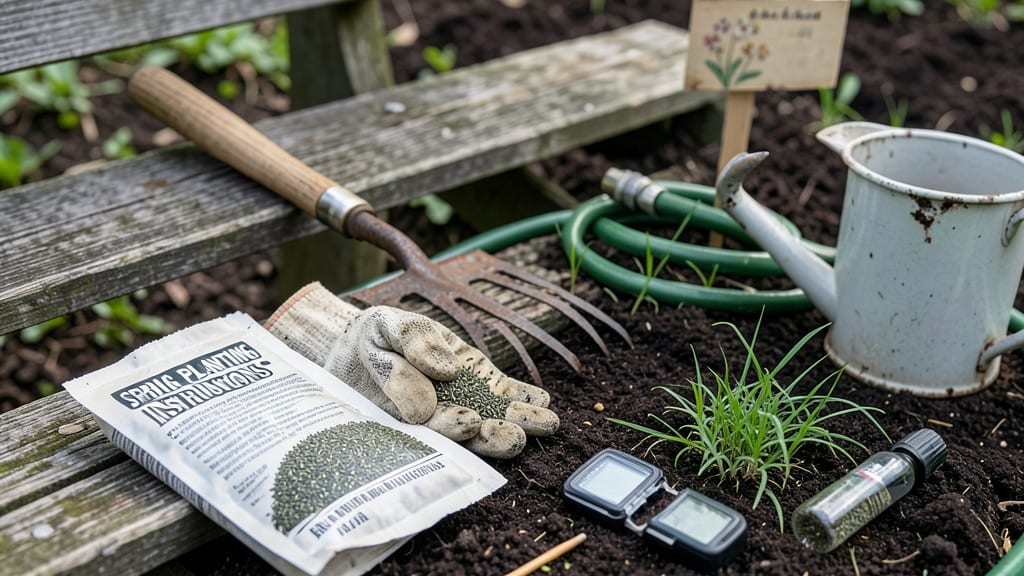
Ideal soil temperature ranges for planting grass seed in spring
Getting your grass seed timing right starts with understanding soil temperature. Unlike air temperature, soil warms up gradually and signals when grass seeds can germinate successfully. For most cool-season grasses like Kentucky bluegrass or tall fescue, the sweet spot is between 50°F and 60°F.
This range ensures rapid root growth while avoiding fungal risks from overly wet, cold soil.
Warm-season grasses like Bermuda or Zoysia, however, prefer 65°F to 75°F—waiting until late spring or early summer gives them the heat they crave. Planting too early can leave seeds vulnerable to frost damage or slow germination.
The key is patience: rushing leads to patchy lawns, while waiting too long risks summer heat stress.
Here’s the critical rule: Never plant when soil temps are below 50°F for cool-season types or above 80°F for warm-season varieties. Use a simple soil thermometer (or a reliable weather app) to check depths of 2-4 inches—this is where seeds will germinate.
If you’re unsure, dig a small hole, add water, and wait 30 minutes; if it feels warm to your touch, it’s ready.
| Grass Type | Ideal Soil Temp | Best Planting Window | Risk Below Temp |
|---|---|---|---|
| Cool-Season (e.g., Kentucky Bluegrass) | 50°F–60°F | Early spring (4–6 weeks before last frost) | Slow germination, fungal rot |
| Warm-Season (e.g., Bermuda Grass) | 65°F–75°F | Late spring/early summer (after frost) | Heat stress, poor rooting |
| Transition Zone (e.g., Tall Fescue) | 55°F–65°F | Early spring or fall | Weed competition |
Regional differences matter too. In USDA Zones 3–5, aim for late April to early May when frost risk drops. Southern zones (6–10) can plant as early as February for cool-season grasses or delay warm-season types until June.
Check your local last frost date (typically 28°F for hardy grasses) and add 4–6 weeks for safe planting.
Pro tip: If your soil feels too cold, cover it with black plastic for 1–2 weeks to warm it faster. For sandy soils, which heat up quicker, plant earlier.
Clay soils stay cooler longer—wait until temps stabilize. Always test a few spots in your yard; microclimates (like shady corners) can delay germination by weeks.
One common mistake? Planting based on air temperature alone. A 70°F day doesn’t mean soil is ready—dig deeper. Use a soil thermometer for accuracy, or press your hand into the ground for 5 seconds. If it feels warm but not hot, it’s likely in the ideal range for cool-season grasses.
For fastest germination, shoot for the upper end of the range (e.g., 58°F–60°F for cool-season). Warmer soil speeds up root growth, helping seeds outpace weeds.
Just avoid planting when temps exceed 80°F—seeds can dry out before sprouting. Mulch lightly with straw after planting to retain moisture and regulate soil temp.
Remember: Soil temperature > air temperature for planting success. Invest in a $10 soil thermometer or borrow one from a local nursery. It’s the difference between a thin, patchy lawn and a thick, vibrant carpet of green by summer.
🌱
How to time your planting for maximum germination success
Timing your grass planting isn’t just about the calendar—it’s about reading your local microclimate and soil conditions. Even if your neighbor plants in early March, your shady spot or northern exposure might need a later start.
The key is balancing soil warmth with frost risk to give seeds the best shot at sprouting within 7–14 days.
Start by checking your last frost date (find it via the USDA Plant Hardiness Zone Map) and aim to plant 4–6 weeks before that date. For example, in Zone 6, this typically means mid-to-late March or early April.
But don’t rush—cold soil slows germination, leaving your lawn vulnerable to weed competition and disease.
🌱Pro Tip: Use a soil thermometer ($10 at garden centers) to confirm temps. Cool-season grasses (like Kentucky bluegrass) thrive at 50–65°F, while warm-season types (like Bermuda) need 65–75°F. If your soil is below 50°F, wait—patience here prevents patchy, slow growth.
🌱 3 Critical Steps to Perfect Timing
- 1. Calculate Your Window: Subtract 4–6 weeks from your last frost date. For Zone 5, this is often late April.
- 2. Test Soil Temps: Dig 2 inches deep and check with a thermometer. Aim for 55–65°F for cool-season grasses.
- 3. Adjust for Microclimates: South-facing areas warm faster—plant 1–2 weeks earlier. Shady spots may need a 2-week delay.
Another often-overlooked factor is the moon phase. While science isn’t definitive, many gardeners swear by planting during the waxing moon (when gravity pulls moisture toward roots). Check a lunar planting calendar for your region—it’s free and might just give you that extra edge for faster germination.
Finally, avoid the common mistake of planting too early just to "get it done." If you sow seeds in February and a late frost hits, your tender sprouts will die back, forcing you to replant.
Instead, mark your calendar for 2 weeks before your ideal window to prep soil—remove debris, loosen compacted areas, and add compost for nutrients.
💡Remember: The first 2 weeks after planting are critical. Keep soil consistently moist (like a damp sponge) and protect seedlings with light mulch or a row cover if nighttime temps dip below 40°F.
With the right timing, you’ll see uniform green-up in just 10–14 days—no bare spots in sight!