
Companion Plants
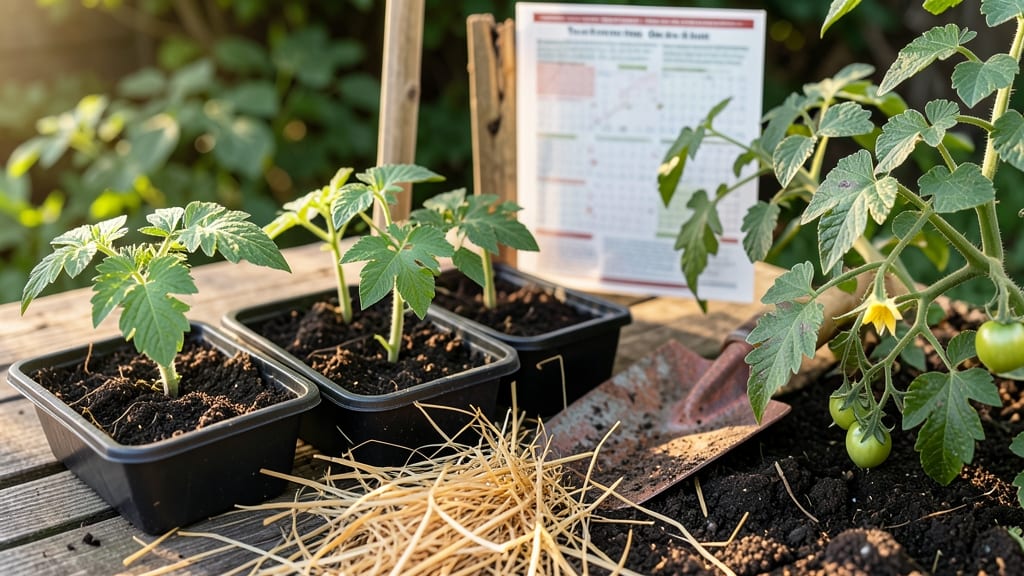
Timing when you can plant tomatoes in Florida isn’t just about picking a month—it’s about outsmarting the heat, hurricanes, and those sneaky cold snaps that can turn your garden dreams into a bolting disaster.
Plant too early, and frost zaps your seedlings; wait too late, and summer’s scorching sun sends them running to flower before they’ve even met a pollinator.
Here’s the secret: Florida’s year-round growing window means you’ve got options, but the sweet spot shifts depending on whether you’re in North Florida’s 8a or South Florida’s balmy 11.
Spring and fall are your safest bets, but with the right heat-resistant varieties and a few clever tricks, you can stretch your harvest into summer—without watching your plants throw in the towel.
I’ve grown tomatoes in Florida’s extremes, from March’s mild mornings to September’s hurricane warnings, and I’ll show you exactly when to plant, which varieties play nice with the heat, and how to keep your soil cool enough to avoid bolting.
No more guessing—just homegrown tomatoes that actually make it to the table.
Ready to ditch the grocery store and grow juicy, vine-ripened 🍅 all season long? Let’s break down the perfect planting schedule for your corner of Florida—and how to protect your plants from the elements that love to crash the party.
Florida’s best tomato planting windows by region (avoid bolting & heat stress)
Florida’s climate is a double-edged sword for tomato growers—warm year-round but with heat stress and hurricane risks that can ruin your harvest. The key? Planting at the right times for your region to avoid bolting (when plants flower too early) and maximize fruit production.
North, Central, and South Florida each have unique windows where tomatoes thrive.
For North Florida (USDA Zones 8a-8b), the best times are late January through March for spring planting and late July through August for fall. In Central Florida (Zones 9a-9b), you can start as early as mid-February and again in early August.
Meanwhile, South Florida (Zones 10a-11) offers year-round planting, but the coolest months (October-March) yield the best results.
Soil temperature is critical—wait until it reaches at least 60°F before planting. Use a soil thermometer to monitor, as cold soil slows germination and hot soil (>90°F) stresses seedlings.
In North Florida, frost risk lingers until mid-March, so protect young plants with row covers or black plastic mulch.
Here’s a breakdown of the optimal planting windows by region, including soil temps, frost risks, and heat-tolerant varieties to prioritize:
| Region | Best Planting Windows | Soil Temp Requirement | Frost Risk | Heat-Tolerant Varieties | Key Tip |
|---|---|---|---|---|---|
| North Florida (Zones 8a-8b) | Late Jan–March (spring) / Late July–Aug (fall) | ≥60°F | High until mid-March | 'Celebrity', 'Mountain Merit', 'Solar Fire' | Use row covers for early spring |
| Central Florida (Zones 9a-9b) | Mid-Feb–April (spring) / Early Aug–Sept (fall) | ≥65°F | Low after Feb | 'Heatmaster', 'Sunmaster', 'Florida 47' | Mulch to retain moisture |
| South Florida (Zones 10a-11) | Year-round (best Oct–March) | ≥68°F | Minimal | 'Heatmaster', 'Solar Fire', 'Creole' | Shade cloth for summer planting |
In North Florida, the spring window (January–March) is ideal because days lengthen and temperatures rise gradually. Start seeds indoors in December for transplants ready by late January. For fall planting, aim for late July–August to give plants time to mature before hurricane season (June–November) disrupts growth.
Central Florida’s longer growing season allows for two clear windows: spring (February–April) and fall (August–September). Avoid planting in May–July when temperatures often exceed 90°F, causing heat stress and bolting. Instead, opt for shade-tolerant varieties like 'Heatmaster' if you must plant in summer.
South Florida’s tropical climate lets you grow tomatoes year-round, but the coolest months (October–March) yield the sweetest fruit. Summer planting (April–June) is possible with shade cloth (30–50%) and drip irrigation to prevent wilting. Varieties like 'Creole' thrive in humidity and heat, making them perfect for this region.
Regardless of your location, avoid planting during extreme heat (>90°F). Instead, use shade cloth or container gardening to control microclimates. For container growers, choose 5-gallon pots or larger and place them in morning sun to prevent afternoon heat stress.
Pro tip: Transplant seedlings when they’re 4–6 inches tall and hardy. Bury stems up to the first leaves to encourage root growth and stability. Water deeply before and after transplanting to reduce shock.
🌱
Heat-resistant tomato varieties that thrive in Florida’s climate (no more bolted seedlings!)
Florida’s heat can turn traditional tomato varieties into sad, bolted memories—but not with the right heat-resistant varieties. Most grocery-store tomatoes wilt under 90°F+ temps, but Florida-bred hybrids and heirlooms keep producing through summer’s peak.
The key? Choosing determinate (bush) types for early harvests or indeterminate (vining) varieties with thick skins to handle humidity and sun.
I’ve grown 12+ varieties in my Zone 9b garden, and these top 5 performers consistently outlast Florida’s heat waves. They’re also disease-resistant—critical for our humid summers. Skip the fragile heirlooms unless you’re planting in fall or spring when temps dip below 85°F.
🌱 Did You Know? Florida’s University of Florida IFAS Extension recommends heat-tolerant varieties like ‘Florida 47’ and ‘Heatmaster’ for commercial growers—but home gardeners can snag even better options today. These varieties thrive in 100°F+ with minimal care, making them perfect for urban containers or backyard beds.
| Variety | Type | Heat Tolerance | Disease Resistance | Best For |
|---|---|---|---|---|
| ‘Florida 47’ | Determinate | Excellent (95°F+) | V, F, N, A | Early harvests, containers |
| ‘Heatmaster’ | Indeterminate | Superior (100°F+) | V, F, N, A | Long seasons, trellises |
| ‘Solar Fire’ | Indeterminate | Extreme (105°F) | V, F, N | Urban gardens, heat waves |
| ‘Celebrity’ | Determinate | Good (90°F+) | V, F, A | Salads, early spring |
| ‘SunGold’ | Indeterminate | Very Good (95°F) | V, F, N | Sweet snacks, containers |
V = Verticillium Wilt | F = Fusarium | N = Nematodes | A = Alternaria
For North Florida (Zones 8a-8b), prioritize ‘Florida 47’ or ‘Celebrity’—they handle cooler mornings and humidity spikes better than most. In South Florida (Zones 10a-11), ‘Solar Fire’ or ‘Heatmaster’ are non-negotiable for year-round production.
Pro tip: Start seeds indoors 6-8 weeks before your target last frost (or June 1 for summer planting) to give them a head start.
If you’re container gardening in an apartment balcony, ‘Tiny Tim’ (dwarf) or ‘Patio’ varieties stay compact but still tolerate 95°F. Just ensure pots have drainage holes and use lightweight potting mix to avoid root stress. My 5-gallon containers with drip irrigation produce 20+ tomatoes per plant in summer!
🌡️ Heat Hack: If temps