Planting
Planting a fall garden in Texas isn't just about throwing seeds in the dirt—it's about outsmarting the heat and timing your harvest before the first frost turns your greens to mush.
The difference between a bountiful fall table and a sad, bolted mess often comes down to knowing exactly when to start, and Texas' diverse regions demand different strategies.
If you've ever watched your cool-season crops bolt in August or freeze before they mature, you know the stakes are high. But here's the good news: with the right schedule, you can enjoy crisp lettuce, sweet potatoes, and homegrown herbs straight from your Texas soil well into December.
The key is understanding your specific region's last frost dates and heat tolerance thresholds.
I'll break down the exact months to plant in North, Central, and South Texas, so you can avoid common mistakes like planting heat-sensitive greens too early or root vegetables too late.
Whether you're a first-time gardener or a seasoned pro, these insights will help you maximize your yields and enjoy a harvest that lasts.
Let's dive into the science-backed planting calendar that'll have your garden thriving when others are struggling. You'll learn which crops to prioritize, how to extend your season, and the simple tricks that make all the difference in Texas' unpredictable climate.
Texas fall planting calendar by region: exact months to avoid bolting and maximize yields
Timing your fall garden in Texas isn't just about avoiding frost—it's about beating the heat. Most Texas regions experience 90°F+ soil temperatures well into September, which can cause seeds to rot or bolt prematurely.
The key is planting when daytime temps drop below 85°F consistently, but not so late that crops mature before the first frost.
Texas spans USDA Zones 7a-9b, meaning frost dates vary wildly. North Texas (like Dallas) typically sees its first frost in mid-November, while South Texas (Houston area) might not freeze until December 20th or later. Central Texas (Austin) falls somewhere in between, usually around November 15th.
For a foolproof schedule, I start with heat-tolerant crops like sweet potatoes and collards in late July to early August, then transition to cooler-season plants by mid-August. This staggered approach ensures continuous harvests without gaps.
Here’s the breakdown you need to avoid bolting and maximize yields across Texas:
| Region | Last Frost Date | Ideal Planting Window | Key Crops | Avoid Planting After |
|---|---|---|---|---|
| North Texas (Dallas/Fort Worth) | Mid-November | Late July–Early September | Kale, cabbage, turnips, broccoli | October 15th |
| Central Texas (Austin/San Antonio) | November 15th | Early August–Mid-September | Collards, carrots, beets, lettuce | October 31st |
| South Texas (Houston/Corpus Christi) | December 20th | Mid-August–Late September | Sweet potatoes, okra, spinach, radishes | November 15th |
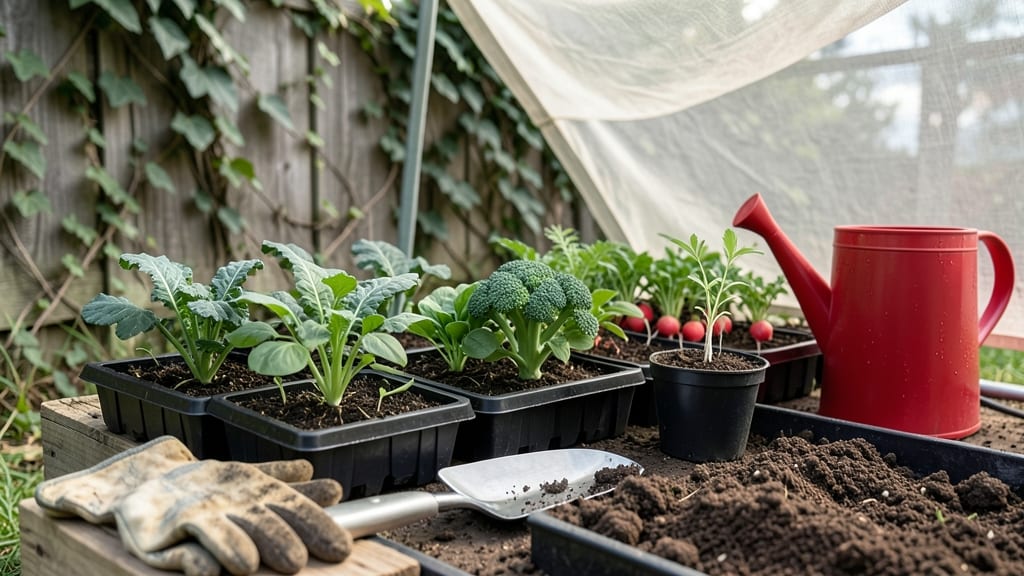
Pro tip: Use Texas A&M’s Frost Probability Tool to pinpoint your exact last frost date. I’ve planted broccoli as late as September 20th in North Texas and still gotten harvests before frost—just use row covers to protect tender seedlings.
For root crops like carrots and beets, aim to plant by September 1st in North Texas or October 1st in South Texas. These crops need 60–80 days to mature, and planting later risks stunted growth from cooler soil temps.
Succession planting is your secret weapon. Instead of sowing all your lettuce seeds at once, stagger plantings every 2 weeks from August through September. This ensures a steady supply of greens without overwhelming your space.
Don’t forget to test your soil pH before planting. Texas clay soils often test alkaline (7.5–8.5), which can lock out nutrients. Amend with sulfur or peat moss to lower pH to 6.5–7.0 for optimal fall crop performance.
If you’re in Zone 8b or warmer, you can push your fall garden even further by using black plastic mulch. This warms the soil in early fall, extending the growing season by 2–3 weeks. Just remove it 4–6 weeks before the first frost to avoid overheating roots.
Remember: The 100-day rule applies here. Count backward from your average first frost date and plant crops that mature in less than that time. For example, if frost hits November 15th, bush beans (60 days) are safe, but cabbage** (90 days) might need a jump start in containers.
Best fall vegetables for Texas gardens: heat-tolerant crops that thrive after summer
Choosing the right fall vegetables for Texas means focusing on heat-tolerant varieties that won’t bolt when temperatures dip. My top picks include collard greens, sweet potatoes, and turnips, all of which handle Texas summers better than cooler-weather crops.
These plants also mature quickly, giving you a harvest before the first frost.
For beginners, bush beans and radishes are foolproof choices—they germinate fast and tolerate heat. Meanwhile, experienced gardeners can experiment with Okra and Southern peas, which thrive in Texas’s long, hot growing season. Each of these crops has specific planting depths and spacing needs to maximize yields.
🌱 Top Fall Crops for Texas Gardens
- Collard Greens – Plant August-September, 30-60 days to harvest. Heat-tolerant and cold-hardy.
- Sweet Potatoes – Start April-May (slips), harvest 90-120 days. Needs full sun and loose soil.
- Turnips – Sow August-October, 30-60 days to harvest. Fast-growing and versatile.
- Bush Beans – Plant June-July, 50-60 days to harvest. Prefers warm soil.
- Okra – Sow April-June, 50-65 days to harvest. Loves heat and dry conditions.
When planting, pay attention to spacing guidelines. For example, collard greens need 12-18 inches apart, while radishes can be sown just 1 inch apart in rows.
Overcrowding leads to poor air circulation, increasing the risk of fungal diseases like downy mildew—a common issue in Texas’s humid fall months.
For root crops like carrots and beets, focus on planting 6-8 weeks before the first frost. These crops need consistent moisture to prevent woody textures, so mulch heavily with straw to retain soil moisture.
In South Texas, where frost comes later, you can push harvests into December with row covers.
Herbs like cilantro and parsley also perform well in fall, but they bolt quickly when temperatures rise. To delay bolting, provide partial shade in the hottest afternoons and keep soil moist. These herbs are perfect for container gardening, making them ideal for urban gardeners.
Finally, don’t overlook fall flowers like marigolds and nasturtiums. They attract pollinators, boost soil health, and add color to your garden. Plant these August-September for a late-season burst of beauty and pest control.