
Plants
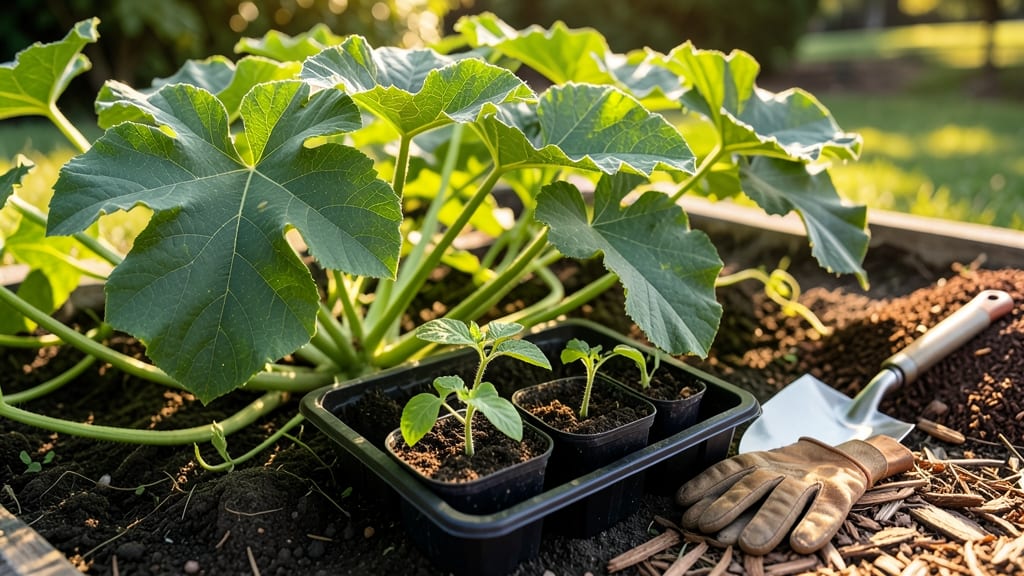
If you're dreaming of juicy, homegrown 🍉 watermelons but don't know when to plant watermelon seeds in California, timing is everything—and getting it wrong means wasted seeds or stunted growth.
California's diverse climate means coastal areas and desert regions have completely different windows for success, with soil temperature being the true game-changer for germination.
Most gardeners in USDA zones 9b-10a rush to plant as soon as spring arrives, but that's a common mistake.
Watermelon seeds need soil that's consistently 70°F or warmer to sprout properly, and waiting until mid-March to mid-June (or late summer for fall varieties) ensures your seeds don't rot in cold soil. Let me show you exactly how to time your planting for fast germination and maximum harvest potential.
Whether you're a first-time gardener or a seasoned pro, understanding the subtle differences between early spring and late spring planting can mean the difference between a bountiful harvest and disappointment.
I'll break down the science, share regional tips, and reveal pro tricks to give your watermelon seeds the best possible start—so you can enjoy sweet, ripe fruit from June through September.
Ready to transform your backyard into a watermelon oasis? Let's dive into the exact planting schedule, soil prep secrets, and regional adjustments that will have your vines thriving in no time.
Optimal California soil temperatures for watermelon seed germination
Watermelon seeds in California need soil temperatures of at least 70°F (21°C) to germinate successfully. Below this threshold, seeds rot instead of sprouting, wasting your time and resources. Central Valley areas often hit this mark by mid-April, while coastal regions may wait until late May.
Even a few degrees below can delay germination by weeks.
I’ve learned the hard way that air temperature ≠ soil temperature. A sunny 80°F day might still have 55°F soil—use a soil thermometer (just $10) to avoid guesswork. The root zone (top 2-3 inches) is where seeds need warmth, not the surface air.
Here’s how to warm cold soil fast: Cover beds with black plastic mulch 1-2 weeks before planting to raise temps by 10-15°F.
For organic growers, compost or straw mulch works but warms more slowly. Biochar mixed into soil also helps retain heat—my Central Valley plots stay 5°F warmer with this trick.
🌱 Watermelon Germination Conditions
| Requirement | Specification |
|---|---|
| Soil Temperature | 70°F+ (21°C+) |
| Germination Time | 5-10 days (warmer = faster) |
| Planting Depth | 1 inch (2.5 cm) deep |
| Spacing | 3-4 feet apart (hills for drainage) |
| Regional Note | Coastal: Wait until June; Valley: April-May |
If your soil is below 60°F (15°C), pre-sprout seeds indoors under grow lights or on a sunny windowsill. I use paper towels in a sealed container—keep them moist but not soggy. Transplant seedlings outdoors only when night temps stay above 55°F (13°C) to prevent shock.
Watch for overheating risks too. In Southern California’s desert areas, soil can exceed 90°F (32°C) by midday. Shade cloth or drip irrigation helps maintain 75-85°F soil temps, the sweet spot for germination. My Imperial Valley plots use cloche tunnels to balance warmth and moisture.
Pro tip: Test multiple spots in your garden—soil temps vary by 10°F+ even in small areas. I mark low-warmth zones with flags and prioritize them for black plastic mulch or compost piles to create microclimates. This ensures uniform germination across your entire plot.
For organic gardeners, compost tea or fish emulsion can jumpstart microbial activity, which naturally warms soil. Just apply it 2 weeks before planting—I’ve seen 3-day faster germination with this method. Pair it with straw mulch to lock in heat.
Remember: Watermelons hate cold feet. Even if your plants look healthy above ground, root rot from cold soil will kill them silently. Always measure, mulch, and monitor—your future harvest depends on it. 🌱
Best planting dates by California region (with frost risk alerts)
California’s diverse microclimates mean your watermelon planting window can vary by 100+ days. Southern CA’s desert regions (like Imperial Valley) can start as early as late February, while coastal areas (e.g., San Francisco Bay) should wait until mid-May to avoid chilly soil.
The key? Soil temperature—not air temperature—dictates success.
Most of California experiences no frost risk year-round, but heatwaves can stress young seedlings. Inland valleys (like Central Valley) often face 100°F+ days by June, which is perfect for watermelons—but requires shade cloth for seedlings. Coastal areas stay milder, extending your planting window into early June.
Here’s your region-specific planting calendar, including frost-free date buffers and heatwave prep tips:
⚠️ CA Planting Deadlines You CAN’T Miss
- Southern CA (Desert): Plant by April 15 for summer harvest. Late plantings risk bolting (premature flowering) in extreme heat.
- Central Valley: Aim for April 1–May 15. After May 20, vines may struggle with heat stress before fruiting.
- Northern CA (Sacramento/Napa): Wait until May 15–June 1. Soil temps below 65°F delay germination by 50%.
- Coastal (LA/SF): May 1–June 10 is ideal. July plantings may produce smaller, less sweet fruit.
🌡️ Pro Tip: Use a soil thermometer—if it’s below 70°F, delay planting or use black plastic mulch to warm the soil faster.
For organic growers, adjust timing by 1–2 weeks later than conventional schedules. Organic soils retain heat slower, and synthetic fertilizers can accelerate growth. If using compost tea, plant 7–10 days earlier—it jumpstarts microbial activity in cooler soil.
One common mistake? Planting too late for fall varieties.
If you’re growing ‘Sugar Baby’ or ‘Crimson Sweet’ for a late-season harvest, start seeds by July 1 in Southern CA. Inland areas can push this to July 15, but coastal regions should stop by July 10 to avoid shortened daylight stunting growth.
Always monitor local heatwave forecasts. A sudden 110°F+ spell can kill seedlings in 48 hours. If your area faces extreme heat, use shade cloth (30–50%) for the first 2 weeks after planting. This buys time for roots to establish before the vines mature into heat tolerance.