
Trees
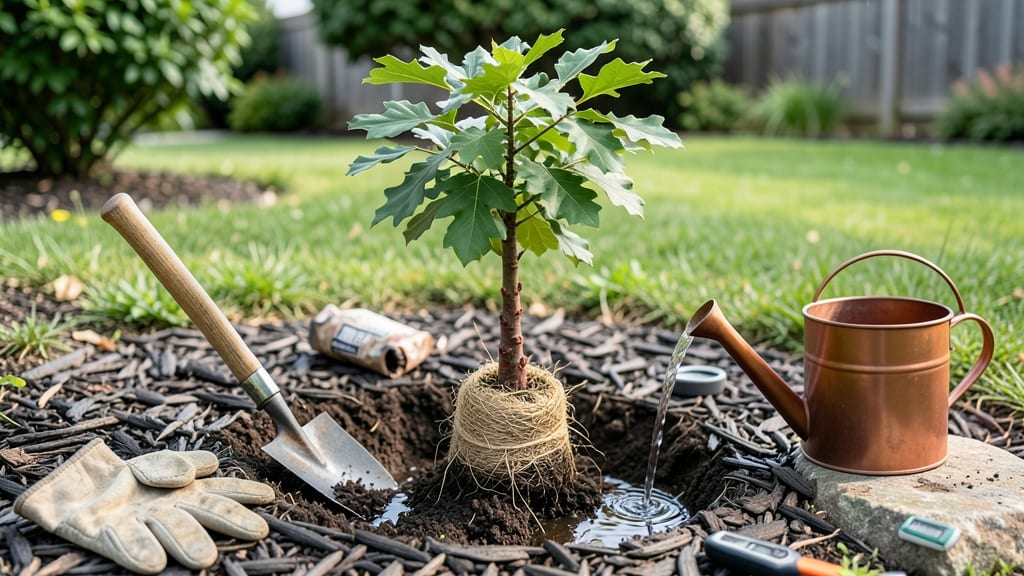
Knowing when is the best time to plant trees in Oklahoma could save you from months of frustration—or even losing your investment. With Oklahoma’s shifting seasons and 6b-7a climate zones, timing isn’t just a suggestion; it’s the difference between a thriving 🌳 and a struggling sapling.
Fall and early spring are your golden windows, but here’s the catch: planting too late in fall risks frost damage, while spring planting must avoid Oklahoma’s notorious late freezes. I’ll break down the exact deadlines for each zone so you never guess again.
Whether you’re planting a fast-growing shade tree or a long-lived oak, this guide covers species-specific tips, soil prep secrets, and how to outsmart Oklahoma’s unpredictable weather. Let’s get your trees off to the right start—before the next frost hits.
Ready to dig in? You’ll walk away with a clear planting schedule tailored to your corner of Oklahoma, plus pro tips to give your new trees the strongest possible foundation. No more second-guessing—just confident planting.
Oklahoma’s ideal tree planting seasons: spring vs fall deadlines by climate Zone
Oklahoma’s diverse climate zones (USDA 7a-8b) create distinct planting windows for trees. While most gardeners default to spring, fall planting often yields better survival rates due to cooler soil temperatures and reduced transplant shock.
Let’s break down the optimal planting months by Oklahoma’s three key regions: northern, central, and western—where microclimates can shift deadlines by weeks.
The golden rule for Oklahoma tree planting: aim for soil temperatures between 50°F and 65°F. This range ensures roots establish before dormancy (fall) or extreme heat (spring).
Use a soil thermometer to verify—planting when temps dip below 40°F risks frost damage, while waiting until 75°F+ stresses young trees during Oklahoma’s brutal summer droughts.
Northern Oklahoma (Zone 7a, e.g., Oklahoma City and Tulsa metro areas) has the shortest growing season. Here, fall planting (late October through mid-November) is ideal, while spring planting must wrap up by April 15—after the last frost date—to avoid late-season freezes.
Southern Oklahoma (Zone 8a, e.g., Lawton and Altus) extends fall deadlines to December 1 and allows May planting in spring.
Western Oklahoma (Panhandle region, Zone 6b-7a) faces harsher conditions with earlier freezes and drier soils. Plant here between September 15 and October 31 for fall, or March 15 to April 1 in spring.
Drought-tolerant species like mesquite or honey locust can stretch these windows slightly, but avoid planting when wind speeds exceed 10 mph—common in spring storms.
Pro Tip: Container-grown trees offer flexibility—they can be planted up to 3 months outside the ideal window, while bare-root trees demand precise timing (fall dormancy or early spring thaw). Always check the USDA Plant Hardiness Zone Map for your exact location, as urban heat islands (like Oklahoma City) can push zones 1-2 degrees warmer than rural areas.
🌳 Oklahoma Tree Planting Deadlines by Zone & Season
| Region | USDA Zone | Fall Planting Window | Spring Planting Window | Soil Temp Threshold | Key Risks |
|---|---|---|---|---|---|
| Northern OK | 7a | Late Oct–Mid-Nov | March 1–April 15 | 50°F–65°F | Late frosts, compacted clay soil |
| Central OK | 7b-8a | Mid-Oct–Dec 1 | March 15–May 1 | 55°F–70°F | Summer drought stress, urban heat |
| Western OK | 6b-7a | Sep 15–Oct 31 | March 15–April 1 | 45°F–60°F | Early freezes, high winds, alkaline soil |
⚠️ Note: Adjust for microclimates—e.g., mountainous areas (like Ozark Plateau) may require 2 weeks earlier planting.
For container-grown trees, Oklahoma’s extended windows allow planting almost year-round—except during peak summer (June-August) when temperatures exceed 90°F.
If you must plant in summer, choose shade-tolerant species like southern magnolia or live oak, and mulch heavily to retain moisture. Bare-root trees, however, are strictly seasonal: plant them only when dormant (fall) or just before bud break (early spring).
One often-overlooked factor in Oklahoma is soil moisture. The state’s clay-heavy soils (especially in central OK) can suffocate roots if planted during
Oklahoma’s ideal tree planting seasons: spring vs fall deadlines by climate Zone
Oklahoma’s diverse climate zones (USDA 7a-8b) create unique planting windows for trees. In northern Oklahoma (like Oklahoma City), the last frost typically hits around April 15, while southern regions (like Tulsa) can plant 2-3 weeks earlier.
Fall offers cooler soil, reducing transplant shock, but timing is critical—plant too late, and roots won’t establish before winter.
For spring planting, aim for March through early April when soil temperatures reach 50°F+. This gives roots time to grow before summer heat. In fall, focus on October through mid-November—before the first frost (November 1 in most zones).
Evergreens like pine trees need extra care in fall to avoid winter burn.
| Season | Best Months | Soil Temp | Key Consideration |
|---|---|---|---|
| Spring | March-April | 50°F+ | Avoid late April (heat stress) |
| Fall | October-Nov | 60°F+ | Stop 6 weeks before frost |
| Zone 7a (North) | April 15-May 15 | 55°F+ | Longer frost risk |
| Zone 8b (South) | March 1-April 15 | 60°F+ | Shorter frost season |
In western Oklahoma (like Lawton), drought conditions demand early spring planting to establish roots before summer heat. Use mulch to retain moisture, and water deeply 2-3 times per week for the first month.
For container-grown trees, you can plant year-round except during extreme heat (90°F+) or cold (20°F-).
Native species like redbud trees or eastern red cedar adapt better to Oklahoma’s climate. Plant them in fall for maximum root growth before winter. Avoid late summer planting—high temps stress young roots, and fungal diseases thrive in Oklahoma’s humid summers.
Pro tip: Test your soil’s pH and moisture before planting. Oklahoma’s clay-heavy soils (common in central Oklahoma) benefit from compost amendments. Aim for a pH of 6.0-7.0 for most tree species. Water slowly and deeply to encourage deep root systems.
Remember: Bare-root trees must be planted immediately after purchase, while container-grown trees offer more flexibility. For fast-growing species (like silver maple), spring planting yields quicker shade, but long-lived oaks thrive best when planted in fall.