Planting
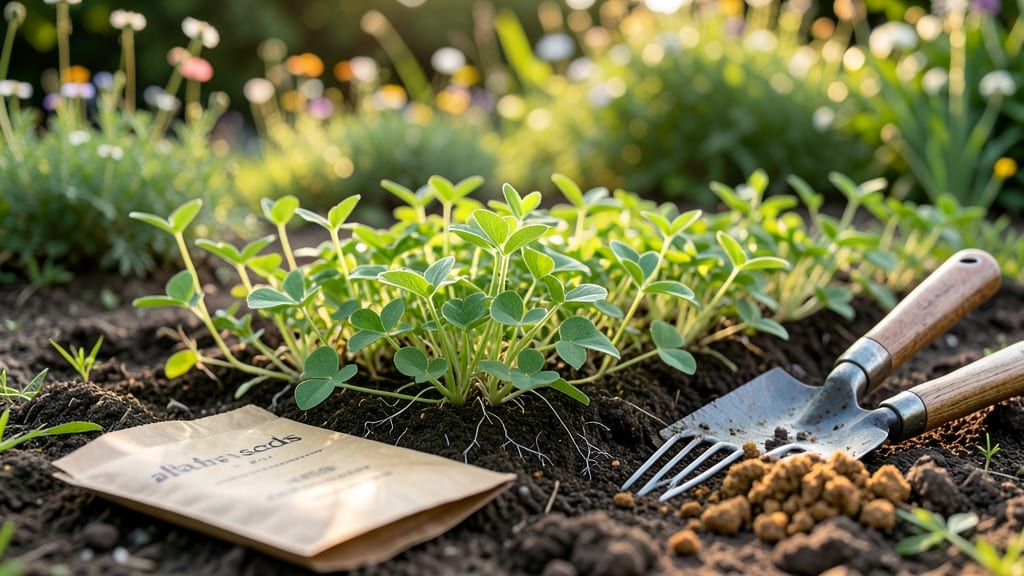
Planting alfalfa in the fall might seem tricky, but getting the timing right can mean the difference between a thriving crop and a winter casualty.
With 🌱 alfalfa needing 4-6 weeks to establish roots before frost hits, late summer to early fall is your sweet spot—especially in USDA Zone 6a where winters can be harsh.
Why bother with fall planting? Cooler temperatures reduce pest pressure, and established roots handle winter dormancy like a pro. But rush it, and frost will nip your seedlings in the bud. I’ll walk you through the exact window, plus how to pick cold-hardy varieties that bounce back stronger in spring.
Whether you’re growing alfalfa for forage or just love experimenting with hardy crops, this guide covers everything from soil prep to frost protection. No guesswork—just proven strategies to set your alfalfa up for success.
Ready to turn fall into your alfalfa’s best friend? Let’s dive into the ideal planting dates and tips to keep your crop alive and kicking through winter.
Optimal fall planting dates for alfalfa by US hardiness Zone
Alfalfa thrives when planted in late summer to early fall, giving seedlings time to establish roots before winter dormancy. The key is planting 4-6 weeks before the first frost—this window ensures strong root development without exposing tender sprouts to freezing temperatures.
For USDA Zones 3-10, timing varies dramatically, so let’s break it down by region to avoid winterkill.
In northern climates (Zones 3-5), aim for mid-August to early September. Soil temperatures should stay above 50°F (10°C) for at least 2 weeks post-planting to encourage germination. Late September plantings risk stunted growth before frost, while August plantings may struggle if summer drought persists.
Balance is critical—cool nights and warm days in early fall create ideal conditions.
For mid-latitude zones (6-8), the sweet spot is late August to mid-October. These regions enjoy longer growing seasons, allowing alfalfa to establish deeper roots before winter.
However, avoid planting after October 15 in Zone 7 or later—seedlings won’t harden off in time for harsh winters. Use local frost date calculators to refine your timeline.
In warmer southern zones (9-10), extend your window to September 15 to November 1. Mild winters mean less urgency, but plant no later than 6 weeks before the first frost (even if rare).
Southern alfalfa benefits from dormant winter growth, so early fall plantings can yield spring forage without summer stress.
🌱
Early fall plantings (August-September) offer higher survival rates because seedlings establish roots before winter. However, they may produce smaller yields the first year compared to spring plantings. Late fall plantings (October-November) risk shallow root systems, making plants vulnerable to heaving during freeze-thaw cycles.
My recommendation? Prioritize root depth over speed—a 6-week head start before frost is worth the wait.
Regional microclimates also play a role. If you’re in a high-elevation zone (e.g., Zone 5 at 5,000 ft), plant 2 weeks earlier than coastal areas—cooler nights accelerate frost risk.
Conversely, urban heat islands can extend your planting window by 1-2 weeks. Check local weather patterns for the past 5 years to spot trends in early frost dates.
Another critical factor is daylength. Alfalfa benefits from 12+ hours of daylight to trigger germination. In northern zones, plant in late August when days are still long enough (14+ hours) to avoid sluggish sprouting. Southern gardeners can push into early October with similar daylight benefits.
Finally, consider your harvest goals. For spring forage, plant by September 15 in most zones to ensure robust regrowth. For overwintered crops (e.g., livestock feed), late October plantings may suffice in Zones 8-10, but yields will be 30-50% lower than ideal timings.
☀️
Optimal fall planting dates for alfalfa by US hardiness Zone
Timing your alfalfa planting in fall depends on your USDA hardiness zone and local frost patterns. The key is to sow seeds 4-6 weeks before the first expected frost—early enough for roots to establish but late enough to avoid tender seedlings.
In Zones 3-5, this typically means planting between mid-August and early September, while Zones 6-10 can extend planting until late October.
Soil temperature is another critical factor. Alfalfa seeds germinate best when soil is between 60°F and 70°F. In cooler climates, aim for late August when daytime temps still hover above 75°F.
Southern regions can push planting into early November, but avoid sowing when nighttime temps drop below 40°F, as this slows germination.
Here’s how to adjust your planting window based on your zone:
| Zone | Ideal Planting Window | Soil Temp Threshold | Frost Deadline |
|---|---|---|---|
| 3-4 | Mid-August to Late August | 60°F-65°F | Late September |
| 5-6 | Late August to Early September | 65°F-70°F | Mid-October |
| 7-8 | Early September to Late September | 68°F-72°F | Early November |
| 9-10 | Late September to Early October | 70°F-75°F | Mid-November |
Regional adjustments matter too. In northern climates, prioritize earlier planting to avoid short growing seasons, while southern zones can delay until October for a longer harvest window. Always check your local frost date averages—extreme weather can shift deadlines by weeks.
Early fall planting (before September 15) gives alfalfa time to develop a robust root system before winter, improving survival rates. However, late fall plantings (after October 1) risk stunted growth due to cold dormancy.
Balance yield goals with climate realities—Zone 5 gardeners, for example, might sacrifice a little spring yield for 90% winter survival.
Pro tip: Use a soil thermometer to confirm temperatures before planting. If soil is cooler than 60°F, wait 1-2 weeks or use black plastic mulch to warm the bed. Timing isn’t just about dates—it’s about soil conditions and seedling resilience.