
Plants
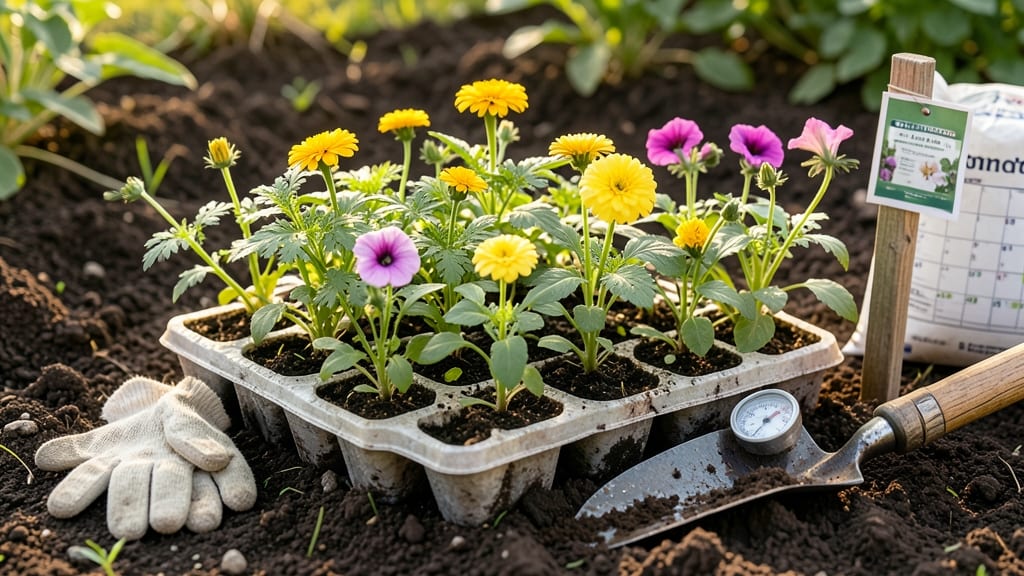
Figuring out when to plant annuals in Zone 5 can feel like playing a high-stakes game of Mother Nature’s timing—one wrong move, and your beautiful blooms or crisp veggies could turn into a sad, frost-nipped memory.
The good news? With the right strategy, you can outsmart the short growing season and enjoy a garden that thrives from spring to fall.
Zone 5’s unpredictable frosts mean that success hinges on more than just checking a calendar. Cold-hardy annuals like pansies and snapdragons can handle early spring plantings, while heat-lovers like marigolds need to wait until the soil warms.
But what if you miss the "official" last frost date? Don’t panic—there are clever workarounds to save your seedlings.
In this guide, I’ll break down the exact planting windows for both cool- and warm-season annuals, plus the science behind soil temperatures and frost-free days. You’ll also discover how to stretch your growing season with row covers and other last-minute survival tricks that even veteran gardeners swear by.
Ready to transform your Zone 5 garden from "maybe this year" to "blooming and bountiful"? Let’s get started—your plants (and your future salads) will thank you.

Zone 5 planting timeline: exact dates for annuals by last frost risk
Zone 5’s short growing season demands precision when planting annuals. The last frost date—typically between April 15-30—marks your first opportunity, but some cold-hardy varieties can handle light frosts down to 20°F. To avoid frost damage, I always check local NOAA frost data and adjust my timeline accordingly.
For early spring plantings, focus on cold-tolerant annuals like pansies and snapdragons. These can go in the ground 4-6 weeks before your last frost date.
Meanwhile, warm-season annuals like marigolds and zinnias need to wait until soil temperatures hit 60°F, usually around May 15 in most of Zone 5.
🌱
| Planting Window | Best Annuals | Soil Temp | Notes |
|---|---|---|---|
| Early Spring (4-6 weeks before last frost) | Pansies, Snapdragons, Calendula, Sweet Alyssum | 40-50°F | Use row covers for extra protection |
| Late Spring (after last frost, soil 60°F+) | Marigolds, Zinnias, Sunflowers, Basil | 60-65°F | Direct sow or transplant seedlings |
| Summer Succession (July-August) | Cosmos, Nasturtiums, Celosia, Portulaca | 65°F+ | Drought-tolerant; minimal care |
| Late Season (August-September) | Sweet Peas, Stock, Kale (edible flowers) | 50-55°F | Plant with row covers for fall blooms |
I always plan for succession planting in Zone 5 to maximize my garden’s potential. For example, I sow fast-growing annuals like cosmos every 2-3 weeks from June through August.
This ensures continuous blooms even as summer winds down. Additionally, I mark my first frost date—usually October 15-30—to guide my final plantings.
For warm-season annuals, timing is critical. If you plant too early, cool soil can stunt growth. A simple trick I use is the back-of-the-hand test: if the soil feels warm enough to hold your hand comfortably for 5 seconds, it’s ready for planting.
In northern Zone 5 (e.g., Minnesota, Wisconsin), the season is shorter, so I prioritize early-maturing varieties like busy Lizzie (Impatiens) or dwarf sunflowers. In southern Zone 5 (e.g., Kansas, Missouri), I can push the envelope with late summer plantings of heat-tolerant annuals like portulaca.
🌿
Don’t overlook microclimates in your garden. A south-facing wall or paved surface nearby can create a warmer pocket where you can plant heat-loving annuals like lantana or verbena up to 2 weeks later than the official timeline. I always scout my yard for these spots to extend my growing window.
Finally, keep a planting journal to track what works in your specific Zone 5 location. Note which annuals thrive with late starts, which struggle with frost, and which succession plantings give you the longest bloom time. Over time, you’ll refine your timeline to match your unique conditions.
☀️
Last-minute survival tips: how to plant annuals after the ‘official’ last frost date
Zone 5’s last frost date can sneak up faster than you think, leaving you scrambling if you missed the window. But don’t toss those seedlings! With the right survival tactics, you can still coax blooms from late plantings—even after the calendar says it’s too late.
First, warm up the soil with black plastic mulch or a clear plastic tunnel. These methods raise soil temperatures by 10-15°F, giving tender annuals like marigolds or zinnias a fighting chance. Just remove the plastic once plants are established to avoid overheating.
🌱
⚠️ Late Planting Warning
Never plant after June 15 in Zone 5 without protection—most annuals won’t mature before the first frost. Hardening off seedlings for 7-10 days is critical for late plantings.
Next, choose microclimates where warmth lingers longer, like south-facing walls or near foundations. These spots can be 5-10°F warmer than open beds, buying you extra weeks. Pair this with row covers for nighttime protection—even lightweight fabric can add 4-8°F of insulation.
For emergency hardening, move container-grown annuals outdoors during the day and bring them back at night. Start with 2-3 hours of exposure, gradually increasing to full sun. This mimics natural conditions and reduces transplant shock.
Finally, water deeply but infrequently—shallow watering stresses already vulnerable plants. Aim for 1 inch of water per week, delivered in the early morning to prevent fungal diseases. Mulch heavily with straw to retain moisture and regulate soil temperature.
With these tricks, you can stretch your Zone 5 season by 3-4 weeks, turning "too late" into "just in time." 🌿