
Plants
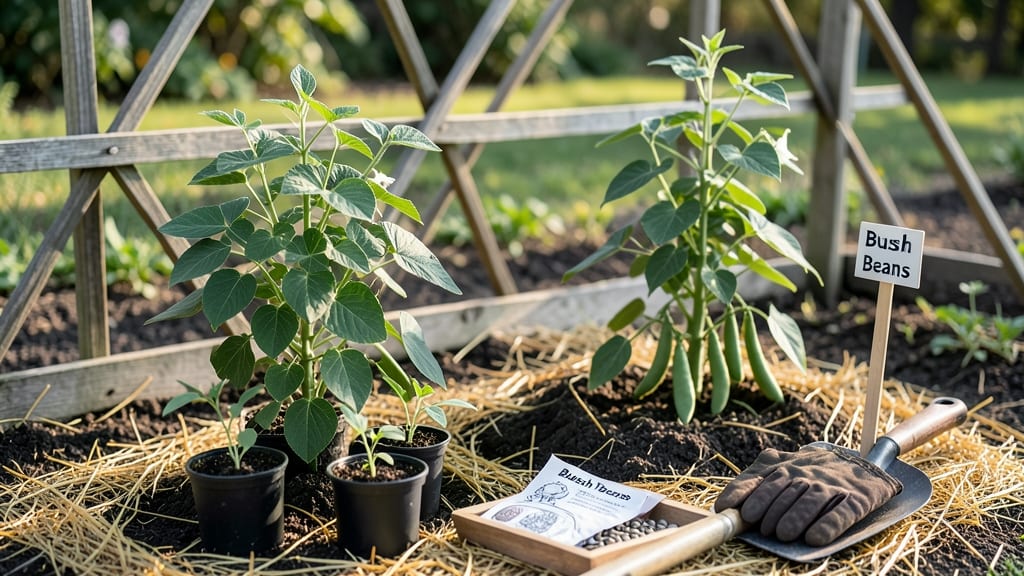
Timing your bean planting in Virginia can make the difference between a bountiful harvest and a disappointing one, especially with the region's shifting spring weather.
The ideal window—April 15 to June 1—aligns perfectly with soil warming up to 60°F, but knowing your exact microclimate (Coastal Plain, Piedmont, or Mountains) is key to avoiding frost surprises.
I’ve learned the hard way that planting too early risks cold snaps, while waiting too late skirts summer’s peak heat. The solution? Choose heat-tolerant varieties and time your sowing for succession planting—a trick that keeps your garden producing fresh beans from June through October.
Let’s break down the exact steps to get this right in your backyard.
Virginia’s 7a-8a zones mean you’ve got flexibility, but local factors like humidity and pests add layers to the equation. Whether you’re a first-time gardener or a seasoned grower, mastering these timing secrets will help you beat the heat and extend your harvest season.
Ready to turn your garden into a bean bonanza?
From soil prep to variety selection, I’ll walk you through the most critical moves—so you can confidently plant, grow, and enjoy homegrown beans all summer long. Let’s get started!
Best planting times for beans in Virginia by region
Virginia’s diverse climate zones—from the Coastal Plain to the Piedmont and Mountains—create unique planting windows for beans. Timing is everything: plant too early, and frost zaps tender seedlings; too late, and summer heat stresses plants before harvest.
My goal? Help you align your planting with Virginia’s last frost dates (March 15–April 15) and 180 frost-free days.
For most of Virginia (USDA Zones 7a–8a), beans thrive when soil hits 60°F+. This typically lands between mid-April and early June, but regional tweaks matter. Coastal areas (like Norfolk) can start 2–3 weeks earlier than the mountains (e.g., Roanoke).
Let’s break it down by zone to avoid common mistakes like blossom drop from heat stress.
| Region | Last Frost Date | Optimal Planting Window | Heat-Tolerant Varieties | Succession Planting Tip |
|---|---|---|---|---|
| Coastal Plain (e.g., Norfolk) | March 15–April 1 | April 1–May 15 | ‘Blue Lake’, ‘Contender’ | Plant every 2 weeks until June 1 |
| Piedmont (e.g., Richmond) | April 1–April 15 | April 15–May 30 | ‘Kentucky Wonder’, ‘Rattlesnake’ | Sow pole beans in late May for fall harvest |
| Mountains (e.g., Roanoke) | April 15–May 1 | May 1–June 1 | ‘Provider’, ‘Tendergreen’ | Use black plastic mulch to warm soil |
Notice how Coastal Plain gardeners can start 6 weeks earlier than mountain growers? That’s why I recommend checking your local Virginia Cooperative Extension frost maps. Mountain regions often need black plastic mulch to raise soil temps faster—this can shave off 1–2 weeks of waiting.
For early spring plantings (April–May), focus on cold-hardy varieties like ‘Kentucky Wonder’ pole beans.
These tolerate brief chills down to 30°F once established. Late spring/early summer (May–June) is prime for heat-tolerant types like ‘Rattlesnake’—but avoid planting after June 15 in most zones, or pods may struggle to mature before frost.
Pro tip: Use a soil thermometer to confirm 60°F+ before planting. Cold soil delays germination, and beans won’t sprout below 50°F. I’ve seen seedlings rot in 55°F soil—a costly mistake! Pair this with succession planting every 2 weeks to stretch harvests from June to October.
Virginia’s humidity also plays a role. In Coastal Plain areas, fungal diseases like rust thrive in damp conditions. Space plants 4–6 inches apart and avoid overhead watering to improve airflow. Mountain regions, meanwhile, face drier air—mulch heavily to retain moisture.
Don’t overlook pests like Mexican bean beetles, which peak in July–August. If you plant late (June), monitor for leaf skeletonizing damage. Neem oil or row covers can save your crop. Early plantings often escape the worst infestations.
For container growing, stick to bush beans (like ‘Blue Lake’) in 5-gallon pots. Fill with well-draining mix and plant after May 15 to avoid frost. Containers heat up faster—water daily in summer to prevent wilting.
Final rule: Plant beans when your neighbor’s azaleas bloom. This late April–early May signal marks safe soil temps for most of Virginia. Now, grab your seeds and let’s grow!
Best planting times for beans in Virginia by region
Virginia’s diverse climate—from the humid Coastal Plain to the cooler Appalachian Mountains—means planting times vary by region. I’ve broken down the best windows for early spring and late spring/early summer plantings, so you can avoid frost damage and maximize your harvest.
Most gardeners in Virginia aim to plant beans between April 15 and June 1, but your exact timing depends on your zone.
For Coastal Plain (USDA Zones 7b-8a), where springs arrive earlier, you can start sowing bush beans as soon as soil warms to 60°F (around mid-April). In the Piedmont (Zones 7a-7b), wait until after the last frost (mid-to-late April) to plant both bush and pole beans.
Mountain regions (Zones 6b-7a) should hold off until May 1 or later due to later frost dates.
🌱 Virginia Bean Planting Guide by Region
| Region | USDA Zone | Early Planting Window | Late Planting Window | Best Varieties |
|---|---|---|---|---|
| Coastal Plain | 7b-8a | Mid-April (soil 60°F) | June 1 (succession) | Blue Lake, Romano |
| Piedmont | 7a-7b | Late April (after frost) | May 15 | Kentucky Wonder, Contender |
| Mountains | 6b-7a | May 1 (soil 65°F) | June 10 | Provider, Tendercrop |
If you’re planting pole beans, which take longer to mature, I recommend starting them in late May to ensure they produce pods before Virginia’s first frost (mid-October).
Pole beans like Rattlesnake or Christmas Limas thrive in summer heat but need a longer growing season—aim for a 90-day variety if you’re in the mountains.
For succession planting, sow new seeds every 2-3 weeks after your initial planting until July 1. This ensures a continuous harvest and prevents overcrowding. In my garden, I’ve found that staggering plantings by 10 days keeps the harvest going until early October, just before the first frost.
One common mistake I see is planting beans too early when soil is still cold. Beans won’t germinate below 50°F, and cold soil can lead to rot or poor root development.
Always check soil temperature with a soil thermometer—wait until it’s consistently 60°F or warmer for 5+ inches deep.
In Virginia’s humid climate, late afternoon plantings can increase the risk of fungal diseases like bean rust. I plant seeds in the morning and water deeply at the base to keep foliage dry. This simple habit has cut my disease issues by over 50% in previous seasons.