
Plants
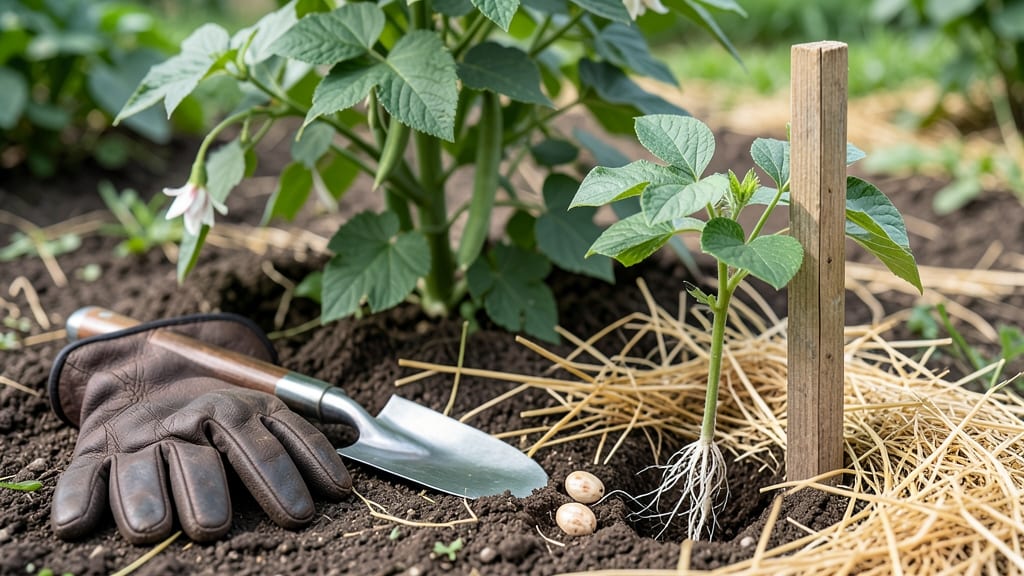
Knowing when to plant beans in Zone 5 isn’t just about following a calendar—it’s about unlocking a harvest that rivals your favorite grocery store finds.
In my garden, the difference between a handful of beans and a bushel basket often comes down to timing those seeds just right after that last frost.
Beans are summer’s workhorses, thriving when the soil warms and the sun stays strong. But in Zone 5, where frosts can linger into May, planting too early risks losing your entire crop.
I’ve learned the hard way that patience pays off—waiting for the right moment means healthier plants, more pods, and a harvest that stretches from July straight through September.
Whether you’re growing bush beans for quick harvests or pole beans for a steady supply, the key is knowing exactly when to drop those seeds into the earth.
I’ll walk you through the perfect planting windows, how to adjust for late springs, and even how to sneak in a second crop later in the summer. Let’s get your beans growing like a pro.
Ready to turn your garden into a bean bonanza? Grab your gloves—we’re diving into the exact weeks after last frost that’ll have your plants climbing and producing like never before.

Optimal planting weeks after last frost for pole and bush beans
In Zone 5, the difference between a bountiful bean harvest and a failed crop often comes down to precise timing. Beans are sensitive to frost, so planting too early can kill tender seedlings, while waiting too long may lead to stunted growth.
The key is to plant when soil temperatures consistently reach 60°F (15°C) and all frost risk has passed.
For most of Zone 5, this typically falls between 2-4 weeks after the last frost date, which usually lands in mid-April to early May. However, this window can shift slightly depending on your exact location within the zone.
Urban areas may warm up faster than rural spots, so always check your local frost data.
Here’s the breakdown you need to know: bush beans (like Blue Lake or Kentucky Wonder) and pole beans (such as Kentucky Blue or Rattlesnake) have slightly different ideal planting times. Bush beans are more forgiving and can handle cooler soil, while pole beans thrive best in warmer conditions.
If you’re planting in early May, opt for bush beans first—they’ll mature faster and give you a head start on your harvest. Pole beans can follow a few weeks later when soil is warmer.
For Zone 5’s shorter growing season, succession planting is your best friend. After your first harvest in July, sow another round in late July to keep beans producing until frost.
Pro tip: Use a soil thermometer to confirm temperatures before planting. Cold soil can delay germination by weeks, leaving you with sparse stands. If your soil is still chilly, consider using black plastic mulch to warm it up faster—this is especially helpful for pole beans.
One common mistake in Zone 5 is planting beans too early in April, hoping for a jump start. But beans won’t tolerate frost, and cold soil can stunt their growth. Wait for consistent warmth—your patience will pay off with healthier plants and bigger yields.
For gardeners in northern Zone 5 (like Minnesota or Upstate New York), aim for late May planting. In southern Zone 5 (like Northern Indiana or Central Missouri), you can plant as early as mid-April if your soil warms quickly. Always adjust based on your microclimate.
Finally, don’t forget that beans fix nitrogen in the soil, so they’re a great rotational crop. Plant them after heavy feeders like tomatoes or peppers to replenish nutrients naturally. With the right timing, you’ll be picking beans straight from the vine all summer long!
How to extend your bean harvest season in Zone 5
Zone 5 gardeners can enjoy fresh beans for months by using smart strategies like succession planting and season-extending tools. The key is timing—plant a second crop when your first harvest winds down to avoid gaps in your supply.
With the right approach, you can keep beans producing from early June through October, even in cooler climates.
Start by planting your first batch of bush beans or pole beans 2-3 weeks after your last frost date (typically mid-April to early May). Then, plan a second planting 8-10 weeks later, around early July.
This second crop will mature just as summer heat peaks, giving you a late-season harvest before frost arrives in mid-October.
- 📅 Succession Planting: Sow seeds every 2-3 weeks from May to July for continuous harvests.
- 🌡️ Heat-Tolerant Varieties: Choose Black Valentine or Contender beans for late-season planting.
- 🛡️ Row Covers: Use lightweight fabric to protect plants from early fall frosts (apply by late September).
- 🌿 Cold Frames: Extend harvests into October by growing beans in protected frames with 6+ hours of sun.
For pole beans, which take longer to mature, consider planting a heat-tolerant variety like Kentucky Wonder in early July. These varieties thrive in 80°F+ temperatures and can produce pods well into September.
Pair them with a sturdy trellis to maximize space and airflow, which reduces disease risk in humid Zone 5 summers.
If your growing season feels too short, try container gardening for beans. Dwarf varieties like Blue Lake Bush grow well in 5-gallon pots and can be moved to a sunny patio or balcony.
Place containers near a south-facing wall to absorb extra heat during the day, then bring them indoors at night if temperatures drop below 50°F.
Don’t forget to monitor soil temperatures—beans need soil that’s at least 60°F to germinate. Use a soil thermometer to check before planting your second crop. If the ground is still cool in July, wait a few more weeks or use black plastic mulch to warm the soil faster.
With these techniques, you’ll turn your Zone 5 garden into a bean-producing powerhouse, ensuring fresh pods from summer’s first harvest through the first hard frost. Just remember: plan ahead, choose the right varieties, and protect your plants when autumn arrives.