
Plants
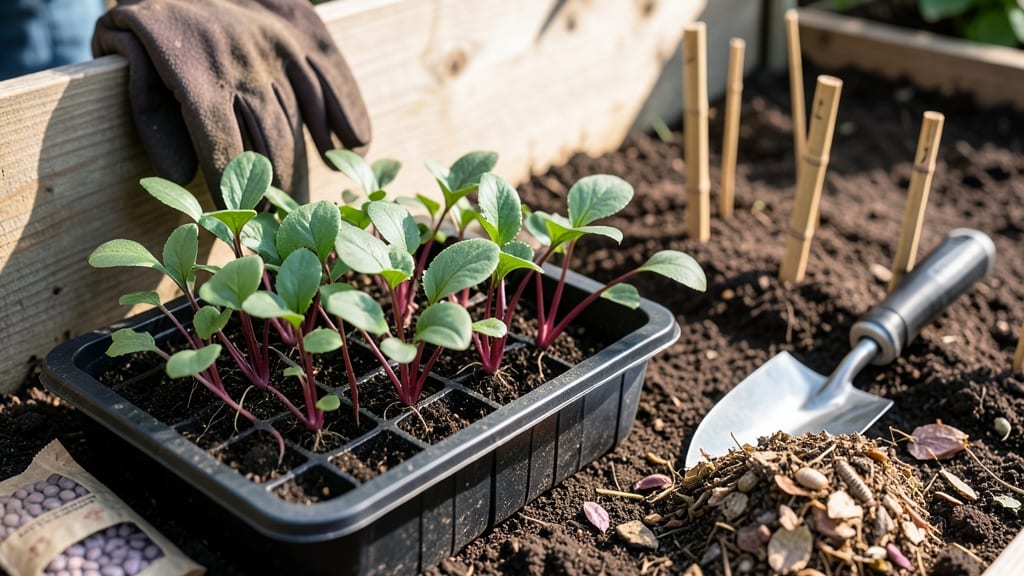
Timing your fall beet planting isn't just about beating frost—it's the secret to growing sweeter, more tender 🍠 roots that taste like nature's candy. The key lies in understanding your local climate and soil temperatures, which can transform a mediocre harvest into a flavor-packed victory.
Most gardeners in USDA Zone 6a should start planting 8-10 weeks before the first frost, typically between late August and early September. This window gives beets enough time to mature before winter sets in, but planting too late risks small, woody roots.
The magic happens when soil temperatures hover between 45-65°F—cooler than summer but still warm enough for steady growth.
Why bother with fall planting? Because cooler weather concentrates natural sugars in the roots, making them sweeter than their summer counterparts. Plus, fewer pests mean less work for you.
I'll walk you through exactly how to time your planting, choose the right varieties, and prepare your soil for maximum success—no guesswork required.
Whether you're a first-time gardener or a seasoned green thumb, these simple but powerful tricks will help you grow beets that are bigger, sweeter, and ready to harvest just as the first frost arrives. Let's get those seeds in the ground at the perfect moment.
Fall beet planting timeline by climate Zone: exact weeks before frost
Planting beets in the fall is all about timing—specifically, the 3 to 8 weeks before your first frost date. This window ensures your beets mature before cold sets in, delivering sweeter, more tender roots than spring plantings.
But the exact timing varies wildly depending on where you live, from northern climates with early frosts to southern regions where frost lingers later.
For most gardeners in USDA Zones 3-6, aim to sow beet seeds 45 to 60 days before your average first frost. In Zones 7-9, you can push it to 60 to 75 days before frost, thanks to milder winters.
The key is ensuring beets reach 1 to 3 inches in diameter before temperatures dip below 20°F.
Here’s the catch: soil temperature matters just as much as air temperature. Beets thrive when soil is between 45°F and 65°F. If your soil runs cooler, plant earlier; if it stays warm longer, delay slightly. Always check your local frost-free date and work backward from there.
Let’s break this down by region to make it crystal clear. Whether you’re in Minnesota or Texas, you’ll find your perfect planting window in the table below.
Fall Beet Planting Timeline by Climate Zone
| Zone | First Frost Date | Planting Window | Soil Temp Threshold | Notes |
|---|---|---|---|---|
| Zones 3-4 | Late August - Early September | Mid-July to early August | 45-55°F | Short season; use fast-maturing varieties. |
| Zones 5-6 | Mid-September to October | Late July to mid-August | 50-60°F | Ideal for most gardeners; flexible window. |
| Zones 7-8 | November - December | Mid-August to early September | 55-65°F | Longer season; can plant later for winter harvests. |
| Zones 9-10 | December - January | Late August to early October | 60-65°F | Mild winters; extend harvest with row covers. |
*Adjust dates based on your specific frost date and soil conditions.
If you’re in Zone 5 or 6—like most of the Midwest or Northeast—aim for late July to early August plantings. This gives your beets enough time to bulk up before frost hits in mid-September to October.
In Zone 9 or 10, you can even push it to early October, thanks to warmer soils and later frosts.
Pro tip: Use a soil thermometer to confirm temperatures. If your soil is still above 65°F in early August, wait a week or two. Cooling soil signals it’s time to plant. This small step can mean the difference between sweet, tender beets and woody, bitter roots.
Don’t forget to account for daylength. Beets grow slower in shorter fall days, so they need a head start. If you’re in a northern latitude, prioritize faster-maturing varieties like ‘Early Wonder’ or ‘Detroit Dark Red’.
In southern climates, you can afford to take your time with slower varieties like ‘Chioggia’.
One more thing: succession planting works wonders in fall. Sow a second batch 3 to 4 weeks after your initial planting. This ensures a steady supply of beets as the season progresses, even if the first batch matures unevenly.
Finally, if you’re unsure about your frost date, check your local Cooperative Extension Service or use a frost calendar app. These tools provide hyper-local data that’s far more accurate than generic planting guides. With the right timing, your fall beet harvest will be the sweetest of the year!
Soil temperature secrets: how to time planting for maximum sweetness
Fall-planted beets develop their signature sweetness when soil temperatures drop into the 45-65°F range. This cooler window triggers natural sugar concentration in the roots, transforming them from mild to downright decadent.
The challenge? Too warm, and your beets will bolt or grow leggy tops. Too cold, and they'll stall entirely.
I've learned the hard way that checking soil temperature isn't just about avoiding frost—it's about creating the perfect flavor factory. Use a simple soil thermometer (just $10 at garden centers) to test temperatures at planting depth (1-2 inches).
Morning readings between 55-60°F are ideal for starting seeds, while established plants thrive in 45-55°F soil.
Here's my pro tip: If your soil runs warmer than 70°F, wait 1-2 weeks before planting. Beets hate heat stress, and seeds may rot before sprouting. Conversely, if temperatures drop below 40°F, cover seeds with row fabric until germination occurs (usually 5-10 days).