
Plants
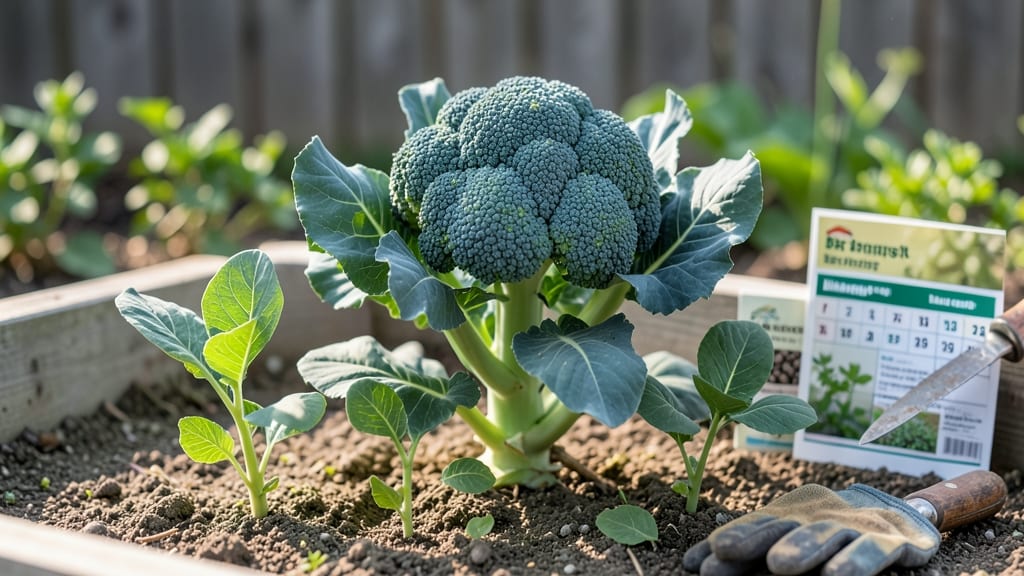
Timing your 🥦 broccoli planting in Illinois wrong can mean bitter disappointment—watching your plants bolt before they even form a decent head. But get the schedule right, and you’ll enjoy crisp, flavorful harvests straight from your garden.
The key lies in understanding your specific hardiness zone and avoiding those tricky spring temperature swings that turn promising seedlings into bitter disappointment.
Most Illinois gardeners know broccoli thrives in cool weather, but exact timing varies by region—whether you're in the northern Zone 4 or the warmer Zone 6 areas. Plant too early, and frost will set you back; too late, and heat will trigger bolting before you get a chance to harvest.
I’ll break down the perfect planting windows so you can avoid these common mistakes and maximize your yield.
What if you want a second harvest? The secret is successive planting—strategically spacing out your plantings to extend the season well into fall. We’ll cover how to time these later plantings, which varieties work best for Illinois’ climate, and even how to protect your crop from unexpected late-season frosts.
No more wasted effort—just a steady supply of homegrown broccoli all season long.
Ready to stop guessing and start growing? I’ll walk you through everything you need to know—from soil temperature checks to the best varieties for your area—to ensure your broccoli thrives from seed to harvest. Let’s get those plants in the ground at the perfect moment.
Best Illinois planting months for broccoli by hardiness Zone (avoid bolting)
Illinois spans USDA Zones 4-6, and broccoli thrives in cooler temperatures, making timing critical. Plant too early, and frost will damage seedlings; too late, and heat stress triggers bolting. The key is aligning your planting with soil temperatures (ideal: 45-85°F) and frost dates to maximize your harvest window.
Most Illinois gardeners succeed with two planting windows: early spring and late summer. Early varieties like 'Waltham 29' handle cooler soils, while heat-tolerant types such as 'De Cicco' work for late-season plantings. Let’s break down the exact months for each zone to avoid common pitfalls.
| Zone | Spring Planting | Fall Planting | Soil Temp | Frost Risk |
|---|---|---|---|---|
| 4 (Northern IL) | Mid-April to May 15 | August 1 to August 31 | 45-60°F | High (May frost) |
| 5 (Central IL) | Late March to April 30 | July 15 to August 15 | 50-65°F | Moderate (April frost) |
| 6 (Southern IL) | February 15 to April 15 | June 15 to July 31 | 55-70°F | Low (Minimal frost) |
🌱 Pro Tip: Use a soil thermometer to confirm readiness—broccoli roots struggle in cold, wet soil.
For Zone 4 gardeners, focus on cold-hardy varieties like 'Blue Wind', which tolerates light frosts. Start seeds indoors 6-8 weeks before your last frost date (typically April 15 in northern Illinois) to give seedlings a head start.
In Zone 6, you can push early plantings to February if you use row covers to protect from late frosts.
Fall plantings are trickier but rewarding. Aim to harvest before hard frosts (typically October 15-November 1 in Illinois). For Zone 5, plant late July to ensure heads mature before winter. Use black plastic mulch to warm soil and extend the season by 2-3 weeks.
Watch for soil readiness cues: when soil is crumbly and 4 inches deep reaches 50°F, it’s time to plant. In southern Illinois (Zone 6), you can even try winter plantings in December for an early spring harvest, but protect seedlings with frost cloth.
Overcrowding and poor air circulation stress plants, leading to bolting. Space seedlings 18-24 inches apart in rows 30 inches apart to give roots room to establish. Thin seedlings to the strongest 2-3 plants per foot to avoid competition for nutrients.
If you miss the spring window, don’t despair—late summer is your second chance. Choose heat-tolerant varieties like 'Calabrese' and plant 60 days before your first frost. In northern Illinois, this means late July plantings for a fall harvest.
For urban gardeners with limited space, opt for compact varieties like 'Little Sprouting Broccoli' (matures in 50 days) and use container gardening. Ensure pots have drainage holes and use a lightweight potting mix to prevent root rot.
Always check the Illinois Extension’s frost date maps for your specific county, as microclimates can shift planting windows by 1-2 weeks. With the right timing, you’ll enjoy crisp, homegrown broccoli from June through October—no bolting required! 🥦
How to extend broccoli season in Illinois: successive planting strategies
Illinois’ short growing season and unpredictable frosts can make broccoli a tricky crop—but with the right strategies, you can enjoy fresh heads from late spring to early winter. The key? Successive planting and season-extending techniques tailored to Illinois’ USDA Zones 4-6.
I’ll walk you through how to stagger plantings, choose cold-hardy varieties, and protect your crop from late-season chills.
Start by selecting broccoli varieties bred for cool weather, like Waltham 29 or Calabrese, which tolerate light frosts. These varieties are your first line of defense against premature bolting when temperatures rise.
For Zone 5 and 6 gardeners, aim to plant every 2-3 weeks from early spring until mid-summer, ensuring a continuous harvest window.
📋 Successive Planting Timeline for Illinois: - First planting: Early April (after last frost) - Second planting: Mid-May (for summer harvest) - Third planting: Late July (for fall/winter harvest)
For fall and winter harvests, focus on late July plantings in Zone 5 and early August in Zone 6. Use black plastic mulch to warm the soil and encourage faster germination.
Once seedlings emerge, cover them with lightweight row fabric to shield against early autumn frosts. This dual-layer approach can push your harvest window into November or even December in milder microclimates.
Don’t overlook container gardening as a way to extend your season. Dwarf varieties like Calabrese thrive in 5-gallon pots and can be moved to protected spots (like a garage or covered porch) when nighttime temps drop below 35°F.
This method is perfect for urban gardeners or those with limited space.
Finally, keep an eye on soil moisture during extended seasons—consistent watering prevents stress-induced bolting. Mulch with straw or shredded leaves to retain moisture and regulate soil temperature. With these strategies, you’ll turn Illinois’ short season into a year-round broccoli feast!