
Plants
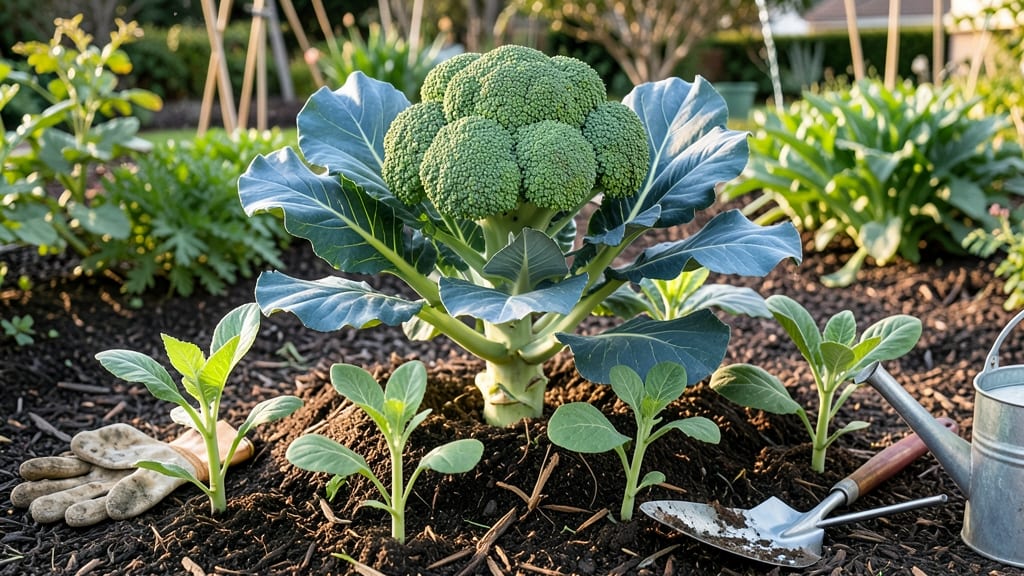
If you've ever planted broccoli 🥦 in Zone 9 only to watch it bolt before producing a single edible head, you're not alone.
The key to growing this cool-season crop in our mild winters and hot summers lies in perfect timing—and doing it wrong means sacrificing your harvest to heat stress.
Zone 9 gardeners face a unique challenge: broccoli thrives in cooler temperatures, but our summers are anything but. That's why the late summer to early fall window (August-September) becomes your golden opportunity to beat the heat and establish strong plants before winter sets in.
What makes this timing so critical? Broccoli plants need consistent cool weather to mature properly, and in Zone 9, that means avoiding both the summer heat and the occasional winter chill.
I'll show you exactly how to calculate your local planting window and choose varieties that can handle our climate's quirks.
By the end, you'll know exactly when to plant for zero-bolt harvests, how to prepare your soil, and which broccoli types will give you the most flavorful results. Let's get those crisp, flavorful heads growing where they belong—in your garden, not your compost pile!

Best planting windows for broccoli in Zone 9 to avoid bolting
In Zone 9, where summers are scorching and winters are mild, timing is everything for broccoli success. Plant too early, and your plants will bolt from heat stress. Too late, and you’ll miss the cool-season window when broccoli thrives.
The key is planting when soil temps drop below 75°F—typically in late summer or winter—to avoid bolting and ensure a harvest.
Unlike colder zones, Zone 9 gardeners don’t have to worry about frost, but they do need to watch for heat stress. Broccoli plants will bolt (send up a flower stalk) if exposed to consistent temperatures above 80°F.
That’s why fall planting (August–September) and winter planting (December–January) are your best bets for a zero-bolt harvest.
Here’s the golden rule: Aim to have broccoli mature before spring heat ramps up (usually by March–April). In Zone 9, this means starting seeds or transplants 8–10 weeks before your first expected spring heatwave
📅 Zone 9 Broccoli Planting Timeline
| Stage | Action | Ideal Months | Soil Temp |
|---|---|---|---|
| Seed Starting Indoors | 6–8 weeks before transplant | June–July | 60–70°F |
| Transplant Outdoors | After soil cools below 75°F | August–September | 65–70°F |
| Winter Planting | Direct sow or transplant | December–January | 55–65°F |
| Harvest Window | Before spring heat stress | February–April | 50–70°F |
💡 Pro Tip: Use a soil thermometer to confirm temps before planting—broccoli roots prefer cool soil to thrive.
If you’re planting in late summer (August–September), focus on heat-tolerant varieties like 'De Cicco' or 'Waltham 29' and provide afternoon shade with a 30% shade cloth. This mimics the cooler conditions broccoli craves, preventing bolting even in Zone 9’s intense heat.
For a winter harvest (December–January), take advantage of Zone 9’s mild winters. Soil temps stay cool naturally, reducing bolting risks. Just ensure your plants get 6+ hours of sunlight daily—broccoli needs light to form those tight, flavorful heads.
One common mistake in Zone 9 is planting too early in spring. By March, daytime temps can already be 85°F+, triggering bolting within weeks. Instead, wait until late fall or winter when days are shorter and nights are cooler.
To extend your harvest, try succession planting every 2–3 weeks in fall or winter. This ensures a steady supply of fresh broccoli without overwhelming your garden at once. Just space plants 18–24 inches apart to allow airflow and reduce disease risk.
Finally, monitor your local microclimate. Coastal areas in Zone 9 (like San Diego) may stay cooler longer than inland desert regions (like Phoenix). Adjust your planting window 1–2 weeks earlier or later based on your specific heat patterns.
With the right timing, you’ll avoid the #1 Zone 9 broccoli killer—heat stress—and enjoy a harvest that lasts from late winter through early spring. The secret? Plant when the soil is cool, the days are short, and the heat hasn’t arrived yet. 🥦
Best planting windows for broccoli in Zone 9 to avoid bolting
Zone 9’s warm winters and hot summers make broccoli a tricky crop—plant too early, and heat will trigger bolting. Too late, and you’ll miss the cool-season window when broccoli thrives. The key is timing your fall planting to align with soil temperatures below 75°F and avoiding summer heat stress.
In Zone 9, the ideal planting window stretches from mid-August to early October, with a secondary window in December-January. This timing ensures seedlings establish roots before temperatures dip too low or rise again in spring.
For example, in Southern California, I plant my 'De Cicco' broccoli in late September for a winter harvest.
Here’s how to pinpoint your exact window: Check your local frost dates (though Zone 9 rarely sees frost) and aim to plant 60-70 days before your first expected cool snap. Use a soil thermometer to confirm temps are below 75°F—broccoli bolts when stressed by heat.
| Planting Window | Soil Temp Goal | Harvest Time | Notes |
|---|---|---|---|
| Late August - Early October | 60-75°F | December - February | Primary window; use shade cloth if hot |
| December - January | 50-65°F | March - April | Secondary window; cooler temps reduce bolting risk |
Avoid planting broccoli in spring or early summer—temperatures above 80°F will cause it to bolt within weeks. Instead, focus on fall transplants or winter sowing. For example, I’ve had success with 'Waltham 29' planted in December, which matures just as spring warmth arrives.
Pro tip: Use shade cloth (30-50%) if planting in late summer to protect seedlings from intense afternoon sun. This small adjustment can delay bolting by 2-3 weeks, giving your plants more time to establish.
Mulch with straw or compost to maintain even soil moisture—consistent watering is critical in Zone 9’s dry climate.
Remember, broccoli in Zone 9 isn’t about fighting the heat—it’s about working with the mild winters. By planting at the right time, you’ll enjoy crisp, sweet heads from December through April, with minimal bolting.
Start with transplants (not seeds) for faster results, and always choose heat-tolerant varieties like 'Calabrese' or 'Green Magic' for better success.