
Plants
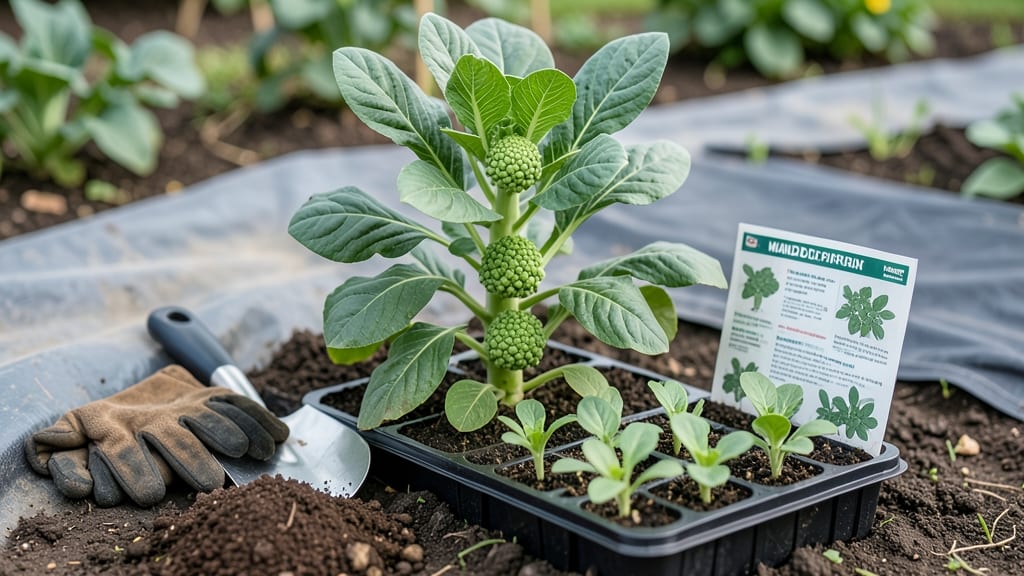
If you’ve ever planted Brussel sprouts 🥦 in Maryland only to watch them bolt before harvest, you’re not alone. The key to avoiding this common frustration lies in knowing exactly when to plant—because timing isn’t just about the calendar, it’s about the frost dates.
Maryland’s 7a-7b climate gives you two chances to grow these cold-hardy veggies: spring and fall. But planting too early in spring risks heat stress, while waiting too long in fall cuts your harvest short.
The secret? A 90-day rule tied to your last frost date—something I’ve perfected after years of trial and error in my own garden.
In this guide, I’ll break down the exact planting windows for Maryland, including how to stretch your growing season with row covers and succession planting.
You’ll also discover the best varieties for your zone and when to fertilize for maximum yield—no more guesswork, just a foolproof plan for a harvest from October through December.
Ready to turn your Brussel sprouts 🥦 from risky to rewarding? Let’s get started with the frost-date hack that’ll change your garden game.
Maryland frost dates for Brussels sprouts: the exact planting window to avoid bolting
Brussels sprouts thrive in Maryland’s cool fall weather, but timing is critical. Plant too early, and they’ll bolt from heat; too late, and your harvest shrinks. Maryland’s USDA zones 7a-7b give us a narrow window—typically mid-March to late April for spring and late July to early August for fall.
The key? Plant when soil temps hit 40°F (4°C) and you have 90 frost-free days until harvest.
Maryland’s average last frost date is April 15, while the first frost arrives around November 15. For a fall harvest, aim to plant 85-90 days before frost.
That means late July plantings for October harvests. Use this rule: Count backward from your first frost date—that’s your planting deadline.
Here’s the frost-date hack for Maryland: If you’re in Zone 7a, plant July 15–August 1 for fall. For Zone 7b, extend to August 5.
This ensures sprouts mature before frost but avoid summer’s heat stress. Pro tip: Check your local Almanac frost dates—they’re more precise than USDA averages.
🌱
| Planting Window | USDA Zone 7a | USDA Zone 7b | Key Consideration |
|---|---|---|---|
| Spring Planting | Mid-March to April 15 | Late March to April 20 | Risk of bolting if planted too late |
| Fall Planting | July 15–August 1 | July 20–August 5 | Best for sweetest flavor with frost |
| Last Possible Planting | August 10 (Zone 7a) | August 15 (Zone 7b) | Use row covers to extend season |
Maryland’s summer heat is the biggest enemy of Brussels sprouts. If you plant in June or early July, they’ll bolt before forming sprouts. Instead, focus on late July plantings—this gives them time to establish roots before cooler weather arrives.
For spring, March plantings are safer than April, as soil warms gradually.
Soil temperature matters just as much as air temperature. Use a soil thermometer to confirm 40–50°F (4–10°C) before planting. Cool soil prevents bolting and encourages strong root growth.
In Maryland, this usually aligns with late March for spring and mid-July for fall. If your soil is too warm, delay planting by 1–2 weeks.
For container gardening in Maryland, stick to the same timing but choose dwarf varieties like ‘Long Island Improved’. Containers warm faster, so monitor soil temps closely. Place pots in partial shade during peak summer to slow bolting. Pro tip: Use black plastic mulch to keep soil cooler in summer plantings.
If you miss the ideal window, don’t panic. Succession planting in late July and early August can still yield a harvest. Just be prepared to use row covers to protect young plants from early frosts.
The goal is 90 days to harvest—so if you plant August 1, aim for a October 30 harvest before hard frost.
🌿
How to extend the Maryland growing season for Brussels sprouts: row covers, succession planting, and fall strategies
Maryland’s short growing season can feel like a Brussels sprouts 🥦 nightmare—but it doesn’t have to be. With the right tricks, you can stretch your harvest well into winter, even when frost is on the horizon.
The key? Row covers and succession planting, two tactics I’ve used to turn my late-season garden into a sprouts goldmine.
Brussels sprouts love cool weather, so the goal is to keep them growing as long as possible. A lightweight row cover (like frost cloth) can add 4-6°F protection, buying you extra weeks of growth.
I’ve seen plants thrive under covers even when temps dip to 20°F—just remove them during the day to prevent overheating.
Here’s my step-by-step plan for extending your season in Maryland:
Pro tip: If you’re really ambitious, try succession planting every 2 weeks from July through August. This staggering method ensures a steady supply of fresh sprouts from October through December—just like a grocery store, but tastier and pesticide-free!
Don’t forget that Brussels sprouts 🥦 actually sweeten with frost, so a light freeze can make your harvest even more delicious. The key is to time your row covers and planting so you’re harvesting just before (not during) hard freezes.
With these strategies, you’ll be enjoying homegrown sprouts long after your neighbors’ gardens have gone dormant.