Plants
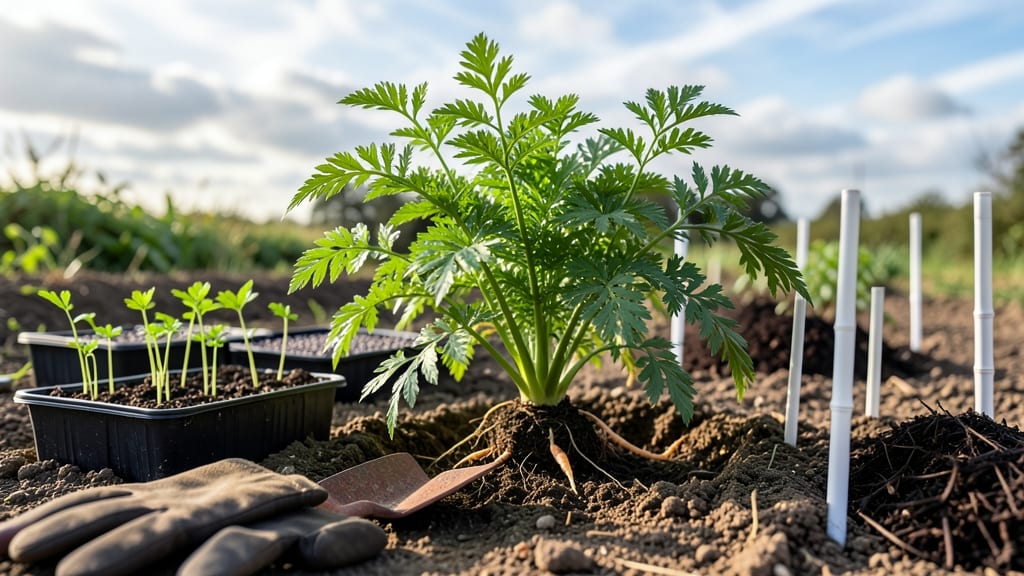
Planting carrots 🥕 in North Carolina at the wrong time can mean the difference between a bumper crop of sweet, crisp roots and a garden full of bitter, woody failures. Whether you're a seasoned gardener or just starting, getting the timing right is the key to avoiding common pitfalls like bolting or poor germination.
North Carolina's diverse climate—from the coastal plains to the mountain regions—means your planting window varies by zone. In USDA zones 7a-8b, early spring (March-April) and late summer (July-August) are your best bets for success, but even a few weeks off can throw off your harvest timing.
I’ll break down the exact frost-free windows by region, soil temperature tips, and how to stretch your growing season for a longer harvest. No more guessing—just proven strategies to grow perfectly sized carrots from June through November.
Ready to dig in? Let’s get your garden on track for a crunchy, homegrown harvest this year.
North Carolina carrot planting calendar: month-by-month frost-free guide
Timing your carrot planting in North Carolina depends on your USDA Zone (7a-8b) and regional microclimates. The Coastal Plain warms earlier than the Mountains, so adjust dates accordingly. For most gardeners, the ideal window is March through May for spring crops and July through August for fall harvests.
Carrots thrive when soil temperatures reach 60°F (15°C)—too cold, and seeds rot; too hot, and they bolt. In Piedmont NC, this typically means waiting until mid-April for spring planting, while Mountain regions can start 2-3 weeks later due to cooler soils.
Always check your local last frost date (usually mid-March in Coastal areas to late April in the Mountains).
Key rule: Plant carrots 2-3 weeks before your last frost date for spring harvests, and 8-10 weeks before the first frost (typically mid-November) for fall crops. This ensures roots mature before cold sets in.
| Month | Planting Window | Soil Temp | Notes |
|---|---|---|---|
| February | Coastal only (under cover) | 55-60°F | Use cold frames; high bolt risk |
| March | All regions (after last frost) | 60-65°F | Best for early sweet varieties |
| April | Primary window (Piedmont/Mountains) | 65-70°F | Ideal for most varieties |
| May | Late spring (short-day types) | 70-75°F | Risk of bolting increases |
| July | Fall crop start (Coastal) | 70-75°F | Use shade cloth for seedlings |
| August | Best fall window (all regions) | 65-70°F | Avoid planting after Labor Day |
For Coastal NC gardeners, February planting is possible with row covers or cold frames to protect tender seedlings. In the Mountains, wait until late April to avoid soil-borne diseases that thrive in cool, damp conditions. Always test your soil—carrots need loose, stone-free soil to grow straight.
Pro tip: Use succession planting every 2 weeks from March to August for a continuous harvest. This works especially well in Piedmont gardens, where summer heat can be intense. Plant short-day varieties like 'Danvers' or 'Nantes' for better heat tolerance.
Watch for bolt-resistant varieties if planting in May or June. Long-day types (like 'Chantenay') struggle in NC's summer heat, while short-day varieties (like 'Paris Market') perform better. Always water deeply after planting to prevent seed desiccation—a common issue in sandy Coastal soils.
Harvest timing varies by variety: 50-70 days for quick types like 'Little Finger', up to 85 days for storage varieties. In fall-planted crops, aim to harvest before first frost (usually mid-November) to avoid woodiness or freeze damage.
Remember: Clay soils in Piedmont need organic matter (like compost) to prevent forked roots, while sandy Coastal soils may require mulching to
How to extend your carrot harvest season in North Carolina
North Carolina’s variable climate means you can grow crisp, sweet carrots for nearly half the year with the right strategies. I’ve learned that succession planting and seasonal variety selection are game-changers for avoiding the dreaded "harvest gap" between spring and fall crops.
Let’s break down how to stretch your carrot season from early spring to late fall.
Start with early spring plantings in February or March (depending on your region) for a June harvest. Then, overlap with late summer plantings in July-August to enjoy roots into October or November.
The key is choosing short-day varieties like 'Paris Market' or 'Little Finger' for fall, as they mature faster in cooler weather. These varieties thrive in NC’s USDA Zones 7a-8b and won’t bolt prematurely.
Sow small batches every 2-3 weeks from March through July. This ensures a continuous harvest instead of one big crop. Use shallow furrows (1/4 inch deep) and thin seedlings to 2-3 inches apart for optimal growth.
Extend spring harvests by 2-3 weeks with a cold frame over young plants. For fall, protect late plantings with row covers until first frost (mid-November). This buys you 4-6 extra weeks of harvest time in both seasons.
Plant short-day varieties like 'Danvers' for spring and long-day types like 'Nantes' for fall. 'Rainbow' mixes add color while 'Chantenay' handles heavier Piedmont soils better. Always check seed packets for days-to-maturity to match your planting window.
Apply 2-3 inches of straw mulch after thinning seedlings. This keeps soil cool in summer (preventing bolting) and warm in early spring for faster germination. Replenish mulch every 4-6 weeks for best results.
Don’t overlook container gardening for balconies or small spaces. Use deep pots (12+ inches) filled with loose, sandy soil and plant every 3 weeks from April to July. This method works surprisingly well in urban NC areas where ground space is limited. Just
For late fall harvests, try overwintering with a thick mulch layer (6+ inches). In Coastal NC, mild winters often allow carrots to survive until January if protected. In the Piedmont/Mountains, aim for a November harvest before hard frosts set in. Always harvest before soil freezes—even partially frozen carrots lose crispness.
With these strategies, you’ll enjoy homegrown carrots from late spring to early winter. The secret? Plan ahead, protect your plants, and choose the right varieties for each season. Your taste buds (and dinner table) will thank you! 🥕🌱