Plants
If you’ve ever dreamed of harvesting your own 🍊 fresh from Arizona soil, timing your citrus planting is the game-changer that separates success from disappointment.
Planting citrus in Arizona isn’t just about picking a random month—it’s about working with the state’s extreme heat and rare but dangerous frost risks to give your tree the best possible start.
The ideal window for planting citrus in Arizona stretches from November through February, when cooler temperatures and shorter days reduce transplant shock. But here’s the catch: whether you’re in Phoenix’s desert heat or Flagstaff’s cooler highlands, microclimates can shift the perfect planting time by weeks.
That means what works for one gardener might fail for another just 50 miles away.
Why does this matter? Because planting at the wrong time can leave your citrus vulnerable to heat stress in summer or frost damage in winter—both of which can kill a young tree before it even bears fruit.
I’ll walk you through the exact months that work best for your specific Arizona location, plus pro tips for container vs. in-ground planting to maximize your chances of success.
Ready to grow citrus that thrives year-round? Let’s dive into the heat-zone guide that’ll help you plant with confidence—no guesswork required.
Best planting months for citrus trees in Arizona’s heat zones
Arizona’s 11 distinct heat zones create dramatic differences in citrus planting success. While most gardeners aim for cool-season planting, your exact timing depends on elevation and urban vs. desert locations.
For example, Phoenix gardeners can plant as late as March, while Flagstaff residents must finish by October to avoid winter chill damage.
The ideal window for citrus planting in Arizona spans November through February, when daytime highs stay below 80°F and nights dip into the 50s.
This period allows roots to establish before summer’s brutal heat arrives. Spring planting (March-May) is riskier but possible in low-desert zones with afternoon shade protection.
Here’s how Arizona’s heat zones break down for citrus planting:
| Heat Zone | Best Planting Window | Key Considerations | Risk Level |
|---|---|---|---|
| Low Desert (Phoenix, Tucson) | November–March | Extreme summer heat; needs afternoon shade | Moderate (if shaded) |
| Central AZ (Mesa, Scottsdale) | October–February | Urban heat islands raise temps; mulch heavily | Low (with care) |
| High Desert (Flagstaff, Prescott) | September–October | Frost risk after November; use windbreaks | High (late planting) |
| Yuma (Extreme Low Desert) | November–January | Year-round growth possible; drought-tolerant varieties preferred | Very Low |
| Sedona (Transition Zone) | October–November | Microclimates vary; test frost dates locally | Moderate |
For low-desert zones like Phoenix, I recommend planting Meyer lemons or Valencia oranges in December or January—this gives roots 3-4 months to establish before summer’s peak heat. In high-desert areas, prioritize cold-hardy varieties like ‘Satsuma’ mandarins and plant by mid-October at the latest.
Spring planting (March–May) is only viable in Zone 9b and below with drip irrigation and 50% shade cloth during afternoon hours.
I’ve seen newly planted citrus in Phoenix survive spring planting when given daily shade and deep watering every 3 days—but expect slower initial growth compared to winter planting.
Pro tip: Container-grown citrus can be planted year-round in Arizona’s low desert, as you control the root zone’s temperature. Just avoid planting during 100°F+ heat waves, as even established roots can suffer from heat stress. Always water deeply the day before and after transplanting to reduce shock.
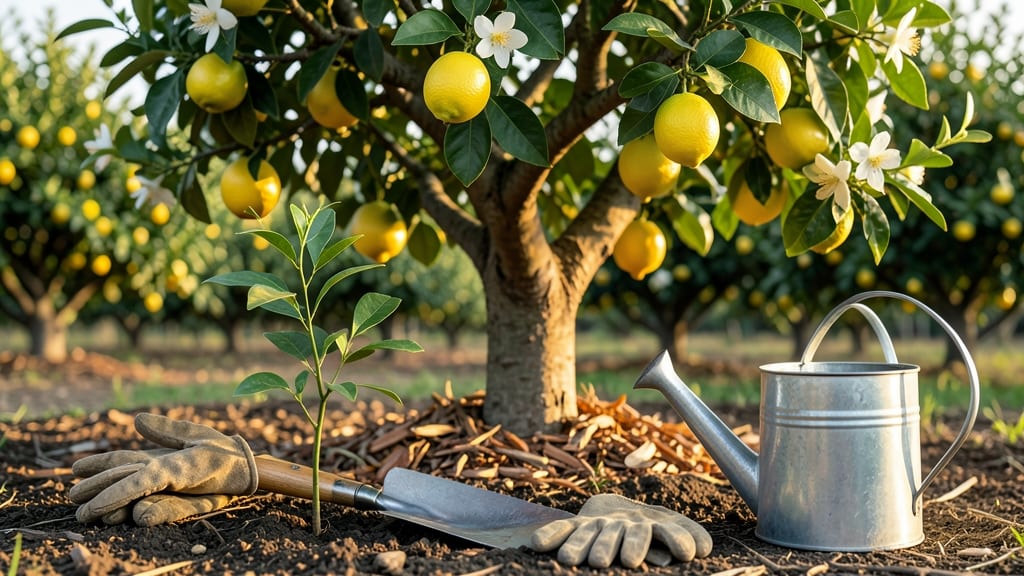
One common mistake is planting too late in spring. I’ve watched new citrus trees in Scottsdale wilt by June when planted in April without adequate shade. If you must plant in spring, use a shade cloth and mulch with 4 inches of wood chips to keep roots cool.
For high-elevation areas, timing is even more critical. In Flagstaff, I’ve seen citrus trees planted in November survive winters, while those planted in December often suffer cold damage from 20°F nights.
Always check your local frost dates—some high-desert areas can drop below 28°F even in December.
Remember: Arizona’s microclimates can shift planting windows by 30+ days. If you’re unsure about your zone, plant 4-6 weeks earlier than the general guidelines to give your citrus a safety buffer against unexpected heat spikes or cold snaps.
Best planting months for citrus trees in Arizona’s heat zones
Arizona’s diverse heat zones mean your citrus planting window varies dramatically—from Phoenix’s 120°F summers to Flagstaff’s cooler high elevations. The ideal planting window spans November through February, when temperatures dip below 90°F and frost risks are minimal.
This period gives young roots time to establish before Arizona’s brutal summer heat arrives.
Most gardeners in USDA Zone 9b-10a (covering most of Arizona) plant citrus in late fall or early winter. This timing avoids transplant shock from summer heat while still allowing 6-8 weeks of root growth before spring’s active growth phase.
For container-grown citrus, you can extend planting to March in lower elevations, but in-ground planting after March 15th risks heat stress.
🌡️ Arizona Heat Zones & Optimal Planting Windows
| Zone | Best Planting Months | Key Considerations | Microclimate Notes |
|---|---|---|---|
| Yuma (10a) | November–January | Extreme summer heat; plant before 100°F temps | Desert climate; use afternoon shade cloth |
| Phoenix (9b) | November–February | Urban heat islands; avoid March planting | Wind exposure; stake young trees |
| Flagstaff (7b) | May–June or September | Frost risk until June; use container growing | High elevation; dwarf varieties recommended |
| Sedona (8a) | October–November | Cooler nights; avoid winter frost pockets | Rocky soil; amend with compost |
| Tucson (9a) | November–January | Monsoon humidity; well-draining soil critical | Drip irrigation recommended |
Spring planting (March–April) is risky unless you’re in containers or high-elevation zones. Young citrus trees planted in spring struggle with 100°F+ soil temperatures, which can cause root burn.
If you must plant in spring, use 50% shade cloth for the first 6 weeks and water deeply every 2–3 days.
For container citrus, you have more flexibility—planting in late winter (February) or even early spring (March) works if you move pots to shaded areas during peak heat. Containers dry out faster, so self-watering systems are a game-changer in Arizona’s dry climate.
Pro tip: Mulch heavily (3–4 inches of wood chips) after planting to retain moisture and regulate soil temperature. In low-desert zones, add 1–2 inches of mulch annually to combat evaporative loss. Avoid mulching too close to the trunk—keep it 3 inches away to prevent rot.
🌱 Remember, citrus trees in Arizona are perennial powerhouses—once established, they’ll reward you with fruit for decades. The key is cool-season planting to give roots a head start before the desert heat kicks in.