Plants
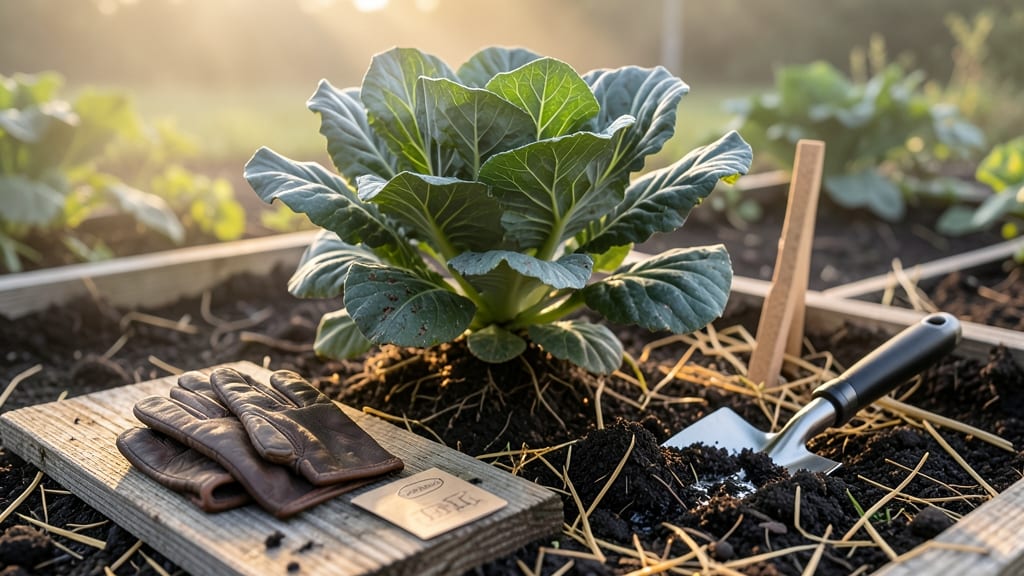
When to plant collard seeds in North Carolina can make the difference between a thriving garden and a disappointing harvest. If you plant too early, frost might damage tender seedlings, while waiting too long risks bolting—when your greens turn bitter and flower too soon.
For zero-bolt harvests and sweet, tender leaves, the sweet spot is March 15–April 30 for spring and August 1–September 15 for fall. These windows align with NC’s 6a-8b zones, giving your 🥬 greens the perfect balance of warmth and cooling temperatures they crave.
But here’s the game-changer: collards are one of the few veggies that reward you for thinking outside the box. With the right soil prep and a little protection, you can even push harvests into winter—meaning fresh greens on your table when most gardens are tucked in for the season.
Ready to unlock the secrets to year-round collard success? Let’s dive into the best months, soil tricks, and care tips that’ll keep your plants happy and your kitchen stocked with homegrown goodness.
Best months to plant collard seeds in NC for zero-bolt harvests
North Carolina’s diverse climate—from the coastal plains to the mountains—means collard seeds thrive in two distinct planting windows. The key is avoiding heat stress and early frosts, both of which trigger bolting (flowering) or stunted growth.
For zero-bolt harvests, focus on spring and fall plantings, with adjustments based on your USDA zone (5a-8b).
In Zone 5a-6a (mountains), plant seeds 4-6 weeks before your last frost date (typically March 15-April 1). Warmer zones like 7a-8b (coastal areas) can start as early as February 15 but must finish by April 15 to avoid summer heat.
The second window opens in late summer, with August 1-September 15 being ideal for fall harvests before first frost.
Timing isn’t just about months—it’s about soil temperatures. Collard seeds germinate best in 60-70°F soil. Use a soil thermometer to confirm readiness; if soil is below 55°F, germination slows dramatically.
In Zone 7b-8b, this often means waiting until mid-March for spring plantings, while Zone 5a gardeners may need to start indoors in February.
| Planting Window | USDA Zones | Key Considerations | Harvest Timeline |
|---|---|---|---|
| Spring: March 15-April 30 | 5a-8b | Soil temp ≥60°F; avoid planting after May 1 in hot zones | May-October (peak in July-Sept) |
| Fall: August 1-September 15 | 5a-8b | Seeds need 60-70°F soil; harvest before first frost (Oct-Nov) | October-December (sweeter after frost) |
| Winter (Zone 7b-8b only) | 7b-8b | Plant October 1-November 1 for winter harvests; use row covers | December-February (hardy varieties only) |
Bolting is the #1 enemy of collard growers in NC. To prevent it, avoid planting in late spring (after May 1) when temperatures exceed 80°F for prolonged periods. Heat-stressed plants bolt quickly, turning bitter and inedible.
Instead, opt for shade cloth (30-50%) during summer months if you must plant early. For fall plantings, prioritize August—seeds sown in September may not mature before frost in most zones.
Microclimates play a huge role in NC. Coastal areas (Zone 8a-8b) can push spring plantings to April 15 safely, while mountain zones (5a-6a) should finish by April 1.
Use your local frost dates as a guide: count 60 days back from the first frost to determine your last planting window. For example, if frost hits November 1 in your area, your final fall planting should be by September 10.
Direct sowing is best for collards, but transplants can buy you extra time. Start seeds indoors 4-6 weeks before outdoor planting if you’re in Zone 5a-6a. Harden off seedlings for 7-10 days before transplanting, and choose overcast days to reduce transplant shock.
Space seedlings 12-18 inches apart in rows 24 inches apart to allow airflow and prevent disease.
Don’t overlook succession planting—this is how Southern gardeners achieve year-round harvests. In NC, stagger plantings every 2-3 weeks from March through September. For example, plant March 15, April 1, and April 15 for a continuous supply.
In fall, add a September 1 and September 15 batch to extend harvests into December.
Pro tip: Test your soil pH before planting—collards prefer 6.0-6.8. Amend with lime if your soil is too acidic (below 6.0) or sulfur if it’s too alkaline (above 7.0).
Well-draining soil is critical; collards hate soggy roots. Mix in 2-3 inches of compost at planting to improve fertility and moisture retention.
Finally, mulch heavily after planting to regulate soil temperature and retain moisture. Use straw or shredded leaves (avoid
Best months to plant collard seeds in NC for zero-bolt harvests
North Carolina’s diverse climate zones (5a-8b) create two prime windows for planting collard seeds: early spring and mid-fall. These months align with soil temperatures and daylight to prevent bolting (premature flowering) while maximizing leaf production.
In Zone 7a, aim for March 15-April 30 in spring and August 1-September 15 for fall—adjusting 1-2 weeks earlier in cooler mountain regions or 1-2 weeks later in warmer coastal areas.
Spring planting capitalizes on warming soil (60°F+) and increasing daylight, while fall benefits from cooler nights that sweeten leaves. Avoid planting in summer’s peak heat (June-July), as collards struggle with bolting and leaf scorch. Instead, focus on these optimal windows to ensure tender, flavorful harvests year-round.
For mountain regions (Zones 5a-6a), push spring planting to April 15-May 1 to escape early frosts, while coastal areas (Zones 7b-8b) can extend fall planting to October 1. Test soil temperatures with a soil thermometer—collard seeds need 55°F+ for reliable germination.
In Zone 7a, where I garden, I’ve found that April 1 and September 1 strike the perfect balance between warmth and frost risk.
Pro tip: Direct-sow seeds for stronger plants—collards hate transplant shock. Space seeds 12-18 inches apart in rows 2 feet apart to allow airflow and reduce disease.
Thin seedlings to the strongest 2-3 plants per foot once they’re 4 inches tall. This spacing prevents overcrowding, which leads to small, bitter leaves.
Bolting is your biggest enemy in NC’s heat. To prevent it, harvest regularly (every 2-3 weeks) and avoid letting plants flower. If your collards bolt prematurely, blame heat stress or nutrient deficiency.
In my garden, I’ve seen Vates collards bolt by June 15 if planted too early in spring—so time it right!
For zero-bolt harvests, fall planting is your secret weapon. Collards thrive in cool weather and actually sweeten after frost. In Zone 7a, I plant a second crop August 15 and harvest through December.
Use black plastic mulch to warm soil in early fall or straw mulch to insulate roots in winter. This extends your harvest window by 2-3 months compared to spring-only planting.