
Plants
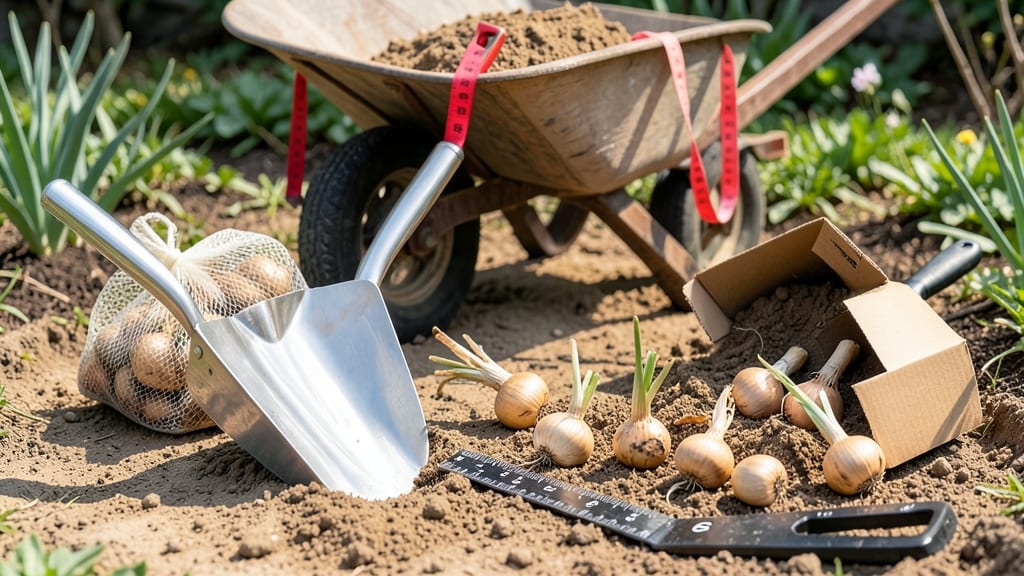
Planting daffodil bulbs at the wrong time in Indiana can mean the difference between a vibrant spring display and a wasted investment. The perfect window—typically October through November—gives those bulbs just enough time to root before winter sets in, ensuring your 🌼 blooms return year after year.
Why does timing matter so much? Indiana’s USDA zones 5b-6b mean early frosts can sneak up before you know it, and planting too late risks frozen roots. But get it right, and you’ll beat the frost while still benefiting from warm soil that encourages strong root growth.
I’ll break down exactly when to plant in your specific corner of Indiana, including how to use frost date averages to calculate your ideal window. Plus, we’ll cover soil prep and planting depth—critical steps that make or break your daffodils’ success.
Ready to transform your garden into a springtime showstopper? Let’s dive into the exact months, soil secrets, and pro tips that will have your daffodils thriving come March.
Best months to plant daffodil bulbs in Indiana (with frost date guide)
Indiana’s USDA zones 5b-6b create a 6-week window for planting daffodil bulbs—typically from mid-October to late November. This timing ensures bulbs establish roots before the ground freezes, which usually happens around October 20 in most Hoosier regions.
Planting too early risks bulb rot, while waiting too long can leave roots vulnerable to winter frost.
For zero-frost success, aim to plant when soil temperatures drop to 50-60°F (10-15°C). This typically aligns with late October in southern Indiana and early November in northern areas. Use your average first frost date as a guide: plant 4-6 weeks before to give roots time to anchor.
Here’s how Indiana’s climate breaks down for daffodil planting:
| Month | Soil Temp | Frost Risk | Planting Window |
|---|---|---|---|
| September | 60-70°F (15-21°C) | Low (early frost rare) | Early start (southern IN) |
| October | 50-60°F (10-15°C) | Moderate (frost by late month) | Ideal for most regions |
| November | 40-50°F (4-10°C) | High (ground freezes) | Last chance (northern IN) |
| December | 32°F (0°C) or below | Very High | Avoid (bulbs won’t root) |
If you miss the fall window, daffodils can also be planted in early spring (March-April), but blooms may be delayed by 2-4 weeks. Spring-planted bulbs need consistent moisture to compensate for slower root development. For best results, stick to fall planting—it’s the gold standard for Indiana gardeners.
Pro tip: Use a soil thermometer to monitor temperatures. Plant when readings consistently stay below 60°F (15°C) at 4-inch depth. This ensures bulbs won’t sprout prematurely and risk frost damage. In northern Indiana, wait until late October; in southern Indiana, early October works.
For container gardening, plant daffodils in October-November as well, but use well-draining pots and protect them with mulch or burlap during winter. Containers freeze faster than in-ground beds, so monitor soil temps closely.
If your pot is in a garage or unheated shed, you can plant slightly later—up to mid-November.
Remember, daffodils are hardy to Zone 3, but root establishment is key to surviving Indiana’s winters. Bulbs planted too late may not develop strong roots before the ground freezes, leading to weak or no blooms the following spring.
Don’t rush—wait for cool soil and dry weather to minimize rot risks.
Once planted, cover bulbs with 2-3 inches of mulch (straw or shredded leaves work well) to insulate them from temperature swings. This extra layer helps bulbs withstand Hoosier winters and ensures vibrant spring blooms.
Mark your planting spots with flags or labels so you don’t accidentally disturb them in early spring.
Timing isn’t just about the calendar—it’s about soil conditions. Test your soil’s drainage before planting: daffodils hate soggy soil. If your garden holds water, amend with compost or sand to improve drainage. Well-drained soil prevents bulb rot, which is a common issue in Indiana’s clay-heavy soils.
With the right timing and soil prep, your daffodils will reward you with cheerful blooms from March through May, brightening up Indiana’s often gloomy spring days. Happy planting! 🌼
Best months to plant daffodil bulbs in Indiana (with frost date guide)
Indiana’s USDA zones 5b-6b mean your daffodil bulbs need to be in the ground before the first hard frost—typically by mid-October. But don’t wait until the last minute! Planting too late risks frozen roots, while early planting lets bulbs establish roots in warm soil.
The sweet spot? October through November, with flexibility based on your microclimate.
Northern Indiana (zones 5b) has earlier frosts, so aim for late September to early October. Southern Indiana (zones 6b) can wait until mid-October to November. Check your local average first frost date—most Hoosiers can plant until 6 weeks before the ground freezes solid.
For example, if frost hits November 15, plant by late September.
Pro tip: Use a soil thermometer to confirm ground temps are between 40°F and 50°F. This warmth triggers root growth without encouraging premature sprouting. If your soil is still warm in November, hold off until temps drop—cool roots are happier roots!
| Region | Best Planting Window | Soil Temp Goal | Key Tip |
|---|---|---|---|
| Northern Indiana (Zones 5b) | Late September - Early October | 40°F - 50°F | Plant before October 15 to avoid early frost. |
| Central Indiana (Zones 5b-6a) | Mid-October - Early November | 45°F - 55°F | Aim for 6 weeks before first frost. |
| Southern Indiana (Zones 6b) | Mid-October - Mid-November | 50°F - 60°F | Can plant later due to milder winters. |
| Urban Areas (e.g., Indy, Fort Wayne) | Early October - Late October | 40°F - 50°F | Heat islands may delay frost—adjust accordingly. |
What if you miss the window? You can still plant in early December, but success depends on snow cover insulating the soil. For best results, stick to the October-November window. If you’re unsure, err on the earlier side—daffodil bulbs won’t sprout until spring, so they’re patient!
Remember: Well-drained soil is non-negotiable. Indiana’s clay-heavy soil can trap moisture, leading to bulb rot. Amend with compost or sand if your soil feels dense. Once planted, mulch with 2-3 inches of straw to protect bulbs from freeze-thaw cycles. Your daffodils will thank you with bold spring blooms!