
Plants
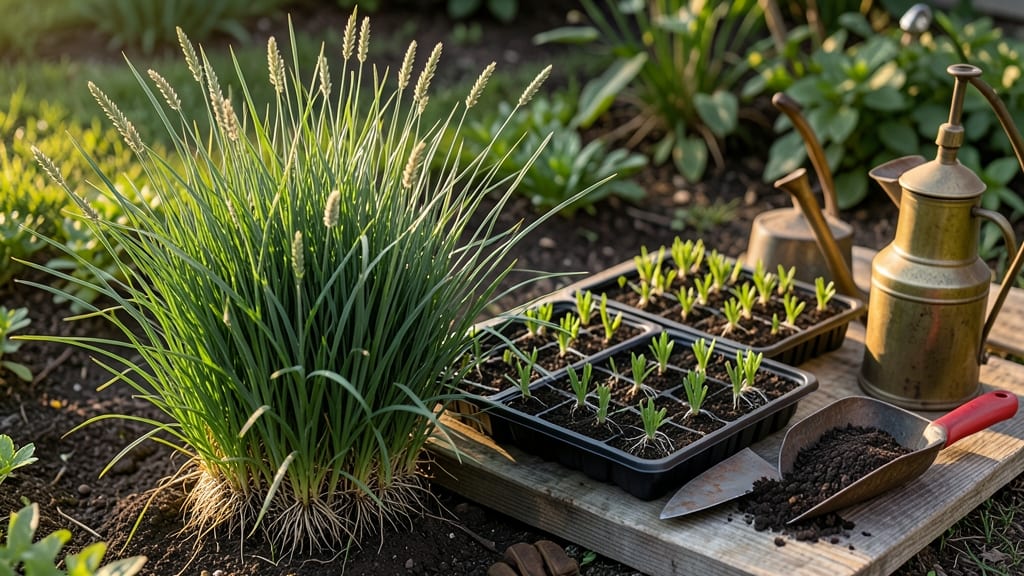
If you're wondering when to plant fescue in North Texas, you're not alone—many homeowners watch their lawns turn into crispy brown patches before winter even arrives. Planting at the wrong time can turn your lush lawn dreams into a failed experiment, especially during those scorching summers.
The secret to thriving fescue lies in that narrow window between late summer heat escape and the first frost. We're talking September through October—when soil temperatures drop just enough to let those roots establish deep before winter sets in.
This isn't just about timing—it's about outsmarting North Texas' brutal climate. I'll show you exactly how to read your soil's temperature cues, prepare your yard for success, and avoid the common mistakes that kill fescue before it even gets started.
Whether you're seeding a new lawn or overseeding an existing one, these insights will help you grow grass that stays green through our harsh winters. Let's get your fescue off to the right start—before the next heatwave hits.
Optimal planting window for fescue in North Texas’ extreme heat zones
North Texas’ USDA Zone 8a climate creates a narrow, 30-day window for planting fescue—any earlier, and the 90°F+ heat will shock seedlings; any later, and roots won’t establish before winter. The golden period is mid-August to mid-September, when soil temps drop to 65-75°F and afternoon humidity rises slightly.
This timing lets fescue develop deep roots before the first frost (November 15 on average).
Why this window? Fescue is a cool-season grass, meaning it thrives when daytime highs stay below 85°F. Planting in late summer avoids the summer dormancy trap—many gardeners mistakenly plant in spring, only to see their grass wilt as temperatures climb.
The early fall also gives seedlings 6-8 weeks to establish before winter dormancy begins.
Here’s the critical rule: Aim to plant 4-6 weeks before your area’s first frost date. In North Texas, that’s typically early to mid-September. Check your local Almanac frost predictions—some years, the window shifts 1-2 weeks earlier due to heatwaves.
Pro tip: Use a soil thermometer to confirm temps are below 80°F at planting time.
If you miss the fall window, your second-best option is early spring (March-April), but this requires extra care—you’ll need to water daily and shade seedlings from the April heat. Spring-planted fescue often struggles to outcompete weeds before summer arrives.
One common mistake? Planting too late in September and getting early frosts before roots establish. To avoid this, monitor your local 10-day forecast and plant when nighttime lows stay above 50°F for at least 2 weeks. This ensures your fescue won’t go dormant too soon.
🌱 Did You Know? Fescue planted in late August can establish 3x faster than spring-planted grass because it avoids the stress of summer heat. The key is cool soil + warm air—this combo triggers rapid root growth.
| Planting Stage | Ideal Timeframe | Soil Temp | Risk if Missed |
|---|---|---|---|
| Seedling Establishment | Mid-August - Early Sept | 65-75°F | Heat shock, slow growth |
| Root Deepening | Late Sept - Early Oct | 55-65°F | Weak winter survival |
| Winter Dormancy Prep | Mid-Oct - Nov 15 | Below 60°F | Frost damage to young roots |
🌡️ Pro Tip: Use a soil thermometer to confirm temps before planting.
For urban gardeners in North Texas cities like Dallas or Fort Worth, microclimates matter. Areas near concrete or pavement stay 5-10°F warmer than rural zones, delaying your planting window by 1-2 weeks.
If your yard is in a heat island, wait until early September to avoid heat stress on seedlings.
Another critical factor is rainfall timing. North Texas’ September rains can create waterlogged soil, which fescue hates. If your forecast shows heavy rain within 48 hours of planting, delay by 3-5 days to let the ground dry out.
Well-draining soil is a must—fescue roots need oxygen, not soggy conditions.
Finally, don’t skip the prep work. Even with perfect timing, poor soil will stunt your fescue. North Texas soils are often clay-heavy and alkaline, which can lock out nutrients.
Before planting, amend with compost and test your pH—aim for 6.0-7.0. This step alone can double your success rate.
Ready to plant? Mark your calendar for September 1-15—this is your best shot at a thick, drought-resistant lawn that survives North Texas winters. Just remember: cool soil, warm air, and patience are your secret weapons. 🌱
Optimal planting window for fescue in North Texas’ extreme heat zones
North Texas’ USDA Zone 8a climate demands precision when planting cool-season fescue. The 30-day window between mid-August and mid-September is your best bet—this timing lets seedlings establish roots before winter dormancy.
Outside this window, summer’s 90°F+ heat can shock young plants, while late fall planting risks frost damage before roots settle.
Soil temperatures are critical: aim for 65-75°F at planting depth (2-3 inches). Use a soil thermometer to check—if temps exceed 80°F, delay planting until evenings cool. This late-summer escape from extreme heat is why September is often called the “golden period” for fescue success in our region.
| Planting Stage | Key Action | Ideal Conditions |
|---|---|---|
| Mid-August | Soil prep & seeding | Soil temp: 70-75°F |
| Late August | Water deeply (1-2 inches) | Morning watering only |
| Mid-September | Fertilize lightly (10-10-10) | Soil temp: 65-70°F |
| October | Mow at 3 inches | Avoid frost exposure |
Planting in early September gives fescue 6-8 weeks to develop a deep root system before winter. This root strength is what lets it outcompete weeds and survive North Texas’ freeze-thaw cycles.
If you miss this window, consider spring planting in March-April, but expect slower establishment before summer heat arrives.
Watch for heat stress signs like wilting or grayish blades—these mean your seedlings are struggling. In urban areas (like Dallas or Fort Worth), microclimates can be 5-10°F hotter than rural zones.
Adjust your planting date 1-2 weeks later if your yard bakes under pavement or concrete. Shade cloth can help if you must plant earlier.
Pro tip: Use a seed starter mix with vermiculite to retain moisture during our dry late-summer spells. Once planted, mulch with straw or pine needles to insulate roots and reduce water evaporation. This simple step can double your success rate in North Texas’ unpredictable climate.