
Trees
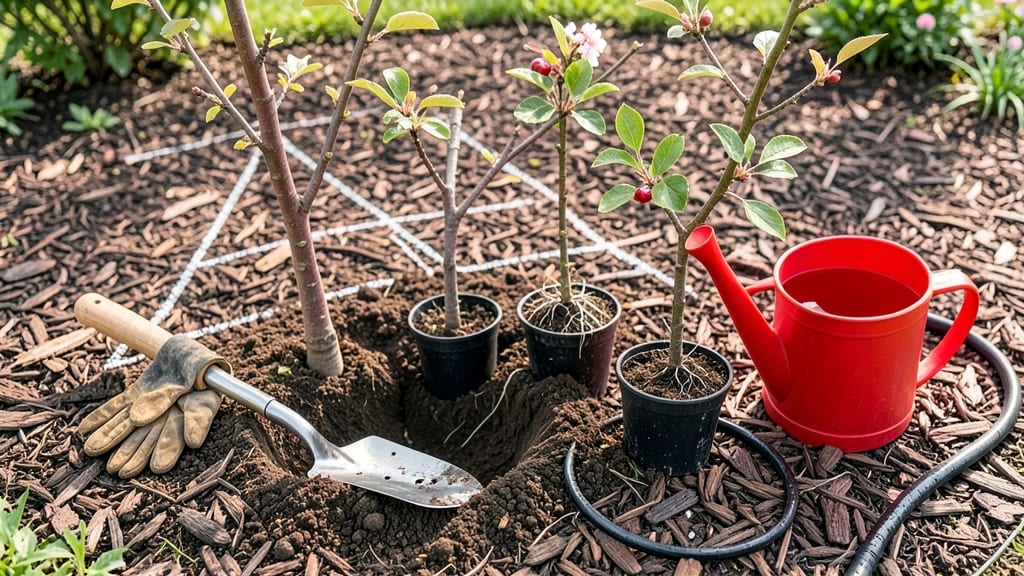
Planting fruit trees in Indiana at the wrong time can mean the difference between a thriving orchard and a struggling sapling that never fully recovers. With USDA Zone 5b-6b climate quirks, timing matters more than most gardeners realize—especially when late frosts or early freezes lurk around every corner.
If you're dreaming of homegrown apples 🍎 or juicy peaches, knowing when to plant is the first step toward success. Indiana's ideal windows are late winter through early spring or fall, but even then, soil temperature and frost dates play critical roles.
Let me walk you through the exact timing that works best for your region.
The key is understanding how your fruit trees' roots establish themselves before winter hits. Whether you're planting bare-root saplings in February or container-grown trees in October, getting this right means stronger growth and bigger harvests down the road.
From soil prep to frost protection, I'll cover everything you need to know to give your fruit trees the best possible start in Indiana's variable climate. Let's make sure your orchard dreams take root—and stay that way for years to come.
Best planting windows for fruit trees in Indiana’s USDA Zone 6 climate
Indiana’s USDA Zone 6 climate offers two prime windows for planting fruit trees: late fall and early spring. These periods align with soil conditions and root establishment needs, ensuring your young tree thrives before winter or summer stresses arrive.
Let’s break down the best months and why they matter for your apple, peach, or cherry trees.
Fall planting—typically September through October—lets roots grow in cool soil before dormancy sets in. This gives trees a 3-4 month head start on spring growth. Spring planting, from March to early April, avoids winter planting risks but requires careful frost monitoring.
Both windows work, but your choice depends on tree type and local microclimates.
Soil temperature is the key factor. In Indiana, soil stays workable until mid-November in most areas, but northern regions may freeze earlier. Aim for 50°F soil temps—use a soil thermometer to check before planting. Cold soil can stunt root growth, while warm soil in late spring (after April 15) risks drought stress.
🌱
| Planting Window | Best Months | Soil Temp | Key Benefits | Risks to Avoid |
|---|---|---|---|---|
| Fall Planting | September–October | 50–60°F | Roots establish before freeze | Late planting (after Nov 15) |
| Spring Planting | March–Early April | 45–55°F | Avoids winter stress | Planting too early (frost risk) |
| Bare-Root Trees | Late Winter (Feb) | 35–45°F | Dormant planting for hardiness | Thawing soil (root rot risk) |
| Container Trees | April–May | 55–65°F | Flexible timing | Heat stress in summer |
For bare-root trees, late winter (February) is ideal—they’re dormant and easier to plant before buds swell. Soak roots for 1–2 hours before planting to rehydrate them. Container-grown trees, however, can handle spring or fall planting since their roots aren’t exposed.
Just remove the pot and loosen the root ball gently to avoid circling roots.
Indiana’s microclimates play a huge role. Southern Indiana (e.g., Evansville) has longer frost-free seasons, while northern areas (e.g., South Bend) face earlier freezes. Use the Indiana State Climate Office or local Purdue Extension resources to check your last frost date.
Plant at least 2 weeks before the average last frost to give roots time to anchor.
Mulching is non-negotiable in Zone 6. Apply 3–4 inches of mulch (wood chips or straw) around the base of your tree to insulate roots from temperature swings. Keep mulch 6 inches away from the trunk to prevent rot.
In fall, add an extra layer to protect against winter desiccation, where dry winds can damage young bark.
Watering strategies differ by season. After planting, water deeply 2–3 times per week until the soil freezes in winter. In spring, reduce to once a week unless drought hits. Use a soaker hose to deliver water slowly—this encourages deep root growth rather than shallow, drought-prone roots.
🌿
Protect young trees from late frosts (common in May) with frost cloth or a row cover. Stone fruits like peaches and cherries are especially sensitive—delay planting these varieties until after April 15 to avoid flower damage.
Pome fruits (apples, pears) are hardier and can handle earlier spring planting.
Finally, choose disease-resistant varieties suited to Indiana’s climate. For example, Honeycrisp apples thrive in Zone 6, while Elberta peaches need protection from late frosts. Local nurseries often stock regionally adapted varieties—ask for recommendations tailored to your county.
How to adjust planting timing for different fruit tree types in Indiana
Indiana’s stone fruits like peaches and cherries are more delicate than pome fruits like apples and pears, so their planting windows differ slightly. Stone fruits need earlier spring planting to avoid late frost damage to blossoms, while pome fruits handle fall planting better.
Let me break down the best timing for each type based on Indiana’s climate.
For peach and cherry trees, aim to plant bare-root saplings in late winter (February-March) while they’re still dormant. These trees bloom early, making them vulnerable to late spring frosts (common in Indiana until mid-April). Container-grown peaches can go in early spring (March-April) once soil temperatures rise above 40°F.
Apple and pear trees are more flexible—they thrive when planted in fall (September-October) or early spring (March-April). Fall planting gives roots time to establish before winter, while spring planting avoids soil compaction from thawing ground. Dwarf varieties adapt better to both windows than standard-sized trees.
- Best Time: Late winter (Feb-Mar) or early spring (Mar-Apr)
- Why: Avoids frost damage to early blooms
- Soil Temp: Above 40°F
- Best Time: Fall (Sep-Oct) or early spring (Mar-Apr)
- Why: Fall = root establishment; Spring = avoids compaction
- Soil Prep: Loosen soil 12" deep, add compost
- Best Time: Early spring (Mar-Apr) only
- Why: Late frosts kill blossoms; no fall planting
- Tip: Choose cold-hardy varieties like Stanley plum
- Best Time: Fall (Sep-Oct) preferred
- Why: Handles Indiana’s humidity better with established roots
- Warning: Avoid waterlogged soil
All fruit trees benefit from mulching after planting—use 4-6 inches of wood chips to retain moisture and regulate soil temperature. For spring plantings, apply mulch after the ground thaws but before buds swell. In fall plantings, mulch immediately to protect roots from freezing.
Protect young trees from Indiana’s unpredictable frosts by wrapping trunks with tree guards or using frost cloth for the first two years. Stone fruits especially need this extra care—even a 24-hour frost in May can destroy blossoms before they fruit.
Choose varieties bred for Zone 6, like Honeycrisp apples or Reliance peaches, for better resilience.
Remember: Container-grown trees can be planted anytime the ground isn’t frozen, but bare-root trees must go in during their dormant season. Check Indiana Extension’s frost date maps to time your planting perfectly—your future harvest depends on it!