
Plants
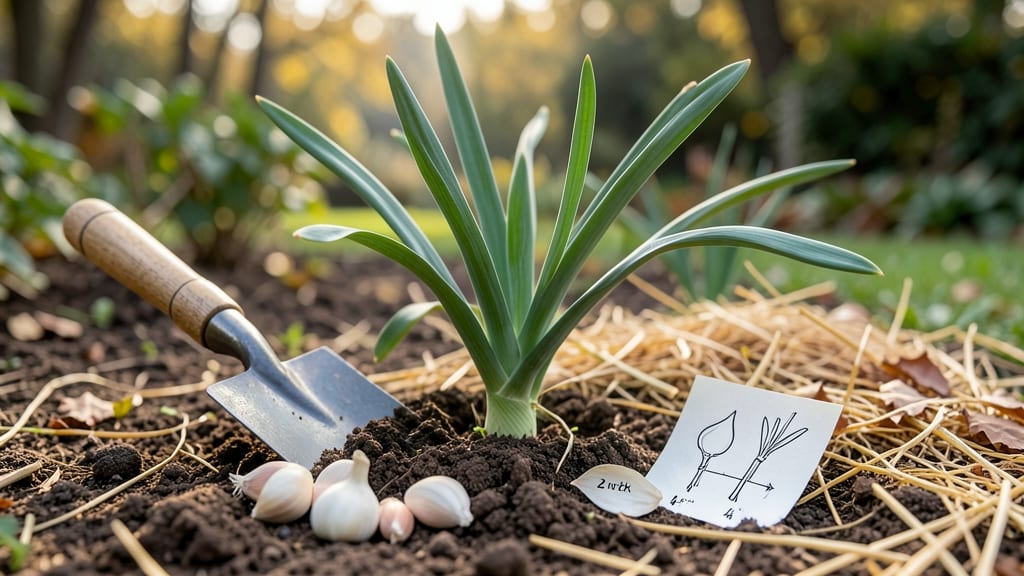
Timing your garlic bulb planting in Zone 5 could be the difference between a thriving crop and a gardening flop—especially when you're dealing with hardneck varieties that need cold exposure to form bulbs.
I've seen firsthand how a few weeks' delay can leave gardeners scrambling, wondering why their plants didn't take.
Here's the secret: Zone 5's short growing season demands precision. Planting 🧄 garlic too early risks rot, while waiting too long means your crop won't mature before summer heat arrives.
The ideal window is October through November, but there's more to it than just dates—soil temperature, frost timing, and even bulb size play crucial roles.
Let me walk you through exactly when to plant for maximum success, including how to prepare your soil and what to watch for as winter approaches. You'll discover why hardneck varieties need that cold snap and how softneck types offer flexibility for spring planting.
Whether you're a seasoned gardener or just starting with garlic, these insights will help you avoid common mistakes and grow plump, flavorful bulbs that'll make your kitchen the envy of the neighborhood. Let's get those cloves in the ground the right way!

Optimal planting windows for garlic in Zone 5: hardneck vs softneck timing
Garlic thrives in Zone 5 when planted during its natural dormancy period, which means fall planting is your best bet for hardneck varieties—the most popular choice for this climate.
The key window is 4-6 weeks before the ground freezes, typically mid-October to early November in most Zone 5 regions. This timing lets garlic establish roots before winter while avoiding late-season sprouts that can't survive cold snaps.
Softneck garlic, often used for braiding, offers flexibility—you can plant it in fall or early spring. However, spring-planted softneck bulbs won't reach their full potential in Zone 5's short growing season.
For both types, soil temperature is your best guide: aim for 40-50°F at 4 inches deep. Use a soil thermometer to avoid guessing.
Hardneck garlic requires cold exposure to form bulbs, making fall planting non-negotiable. Softneck varieties can tolerate spring planting but may produce smaller bulbs. If you miss the fall window, wait until early spring (March) for softneck only—never plant hardneck in spring, as it won't bulb properly.
| Variety | Best Planting Window | Why It Matters | Zone 5 Specifics |
|---|---|---|---|
| Hardneck Garlic | Fall only (Oct-Nov) | Needs cold vernalization for bulb formation | Plant by Nov 1 in most Zone 5 areas |
| Softneck Garlic | Fall or early spring | More flexible timing but smaller spring bulbs | Spring planting by March 15 max |
| Both Types | Avoid late fall (Dec+) | Late plants may sprout too early, risking frost damage | Use mulch (4-6") for winter protection |
Zone 5's variable microclimates mean your exact planting date depends on location. For example, Chicago gardeners should plant by October 20, while Boston has until November 5. Check your last average frost date (usually mid-November in Zone 5) and count backward 6 weeks.
Pro tip: Plant hardneck varieties like 'Music' or 'German White' for best cold hardiness.
One common mistake is planting garlic too early in fall, which can cause premature sprouting. If your soil is still warm (above 50°F), wait a few weeks.
Conversely, planting too late (after November) risks shallow roots that won't survive winter. Test your soil temperature at planting depth—this is your most reliable guide over calendar dates.
For spring planting (softneck only), aim for March 1-March 15 in Zone 5. This gives plants enough time to mature before fall's first frost. However, spring garlic will never match the size or flavor of properly overwintered hardneck varieties.
If you're new to garlic growing, start with hardneck in fall—it's more forgiving and produces larger bulbs.
Remember that garlic planted in fall will harvest the following summer (July-August), while spring-planted garlic harvests in late summer of the same year. Plan your garden layout accordingly, especially if you're rotating crops.
Fall-planted garlic also benefits from natural pest control—many insects are dormant during winter, reducing early-season pressure.
If you're unsure about your local frost dates, consult your USDA Plant Hardiness Zone Map or check with your local cooperative extension service. They often provide hyper-local advice tailored to your specific Zone 5 sub-region.
For example, northern Zone 5 (like Minneapolis) may need to plant earlier than southern Zone 5 (like St. Louis).
Once you've nailed your planting window, focus on soil preparation. Garlic loves well-draining, fertile soil with a pH of 6.0-7.0. Work in 2-3 inches of compost before planting, and avoid fresh manure—it can burn garlic's sensitive roots.
With the right timing and soil prep, your Zone 5 garlic will reward you with bold flavor and robust bulbs.
Optimal planting windows for garlic in Zone 5: hardneck vs softneck timing
In Zone 5, timing your garlic bulb planting correctly is everything—especially when comparing hardneck vs softneck varieties. Hardnecks need cold exposure to form bulbs, while softnecks are more flexible.
For both, the ideal window is October through November, but there are nuanced differences you can't afford to miss.
Hardneck garlic thrives when planted 4-6 weeks before the ground freezes—typically late October to early November in Zone 5. This cold period triggers bulb formation. Softnecks, however, can handle a slightly later window, even into early December, and some gardeners even plant them in spring (March-April) for summer harvests.
Here's the key difference: hardnecks require winter chill (below 40°F for 6-8 weeks), while softnecks don't. If you live in a warmer microclimate within Zone 5, you might push planting to early December. But in colder pockets, aim for mid-October to avoid early frosts damaging young plants.
| Variety | Best Planting Window | Cold Requirement | Harvest Time |
|---|---|---|---|
| Hardneck | October 15 - November 15 | 6-8 weeks below 40°F | July - Early August |
| Softneck | October 1 - December 1 (or March-April) | None (or minimal) | August - September |
For both types, soil temperature is your best guide. Use a soil thermometer to confirm temps are between 40-50°F—this ensures roots establish before winter sets in. If you're planting in late fall, choose larger bulbs (at least 1.5 inches in diameter) for better cold hardiness.
Pro tip: Mark your calendar for Zone 5's average first frost date (usually mid-October) and count backward. This helps you nail the perfect window. For hardnecks, aim for 6-8 weeks before that date, while softnecks can stretch to 4-6 weeks before frost.
Remember, early planting gives garlic time to root before winter, but don't go too early—September plantings risk rot in wet soils. Balance is key: cool soil, no frost, and enough time for roots to anchor before the ground freezes. That's the Zone 5 garlic formula for success!