
Plants
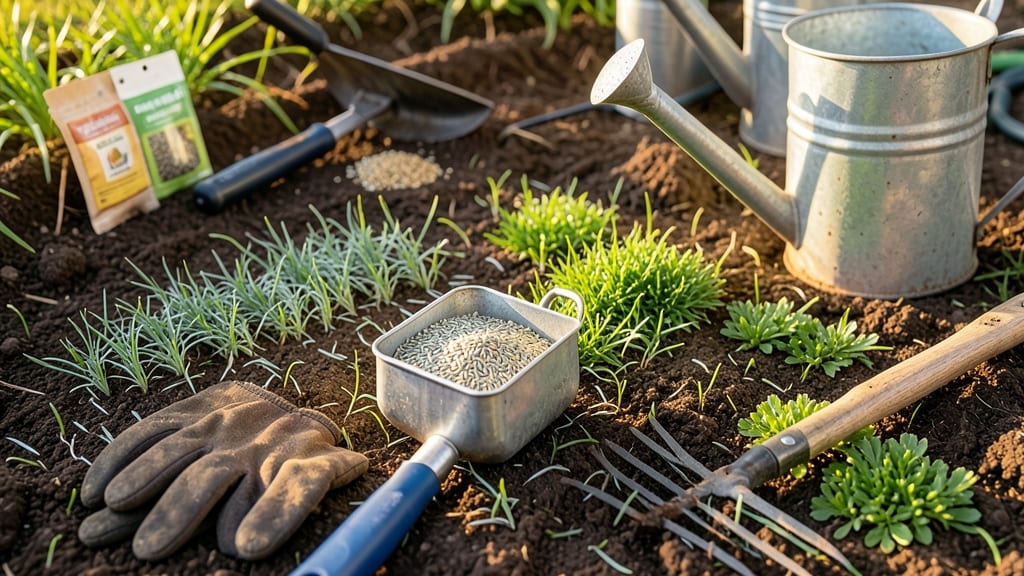
Planting your 🌱 grass seed in the fall could be the easiest way to grow a thicker, greener lawn—but only if you get the timing right. Too early, and frost will nip your seedlings in the bud; too late, and winter dormancy will stall their growth.
For USDA Zone 6a (like much of the Midwest), the sweet spot is 4-6 weeks before your first frost, typically late August to mid-September.
Why does fall work so well? Cooler temperatures mean less stress on seedlings, while reduced weeds give your grass a fighting chance. Plus, roots establish deep before winter, setting you up for a lush spring lawn.
But not all grass types play by the same rules—cool-season varieties like Kentucky bluegrass thrive in fall, while warm-season grasses need a different approach.
I’ll break down the exact planting windows for your region, plus 5 pro tips to avoid common mistakes like overwatering or skipping soil prep. Whether you’re overseeding an existing lawn or starting fresh, these strategies will help you skip the guesswork and see results by next spring.
Ready to transform your yard? Let’s dive into the science—and schedule—behind fall grass planting so you can enjoy a healthier lawn with less effort.
Best fall planting windows for cool-season grass seed (by region)
Fall planting gives cool-season grasses like Kentucky bluegrass, tall fescue, and ryegrass a head start on root growth before winter. But the ideal window varies by USDA zone—plant too early, and frost zaps seedlings; too late, and roots won’t establish before dormancy.
Here’s how to time it right for your region.
In Northern zones (USDA 3-5), aim for late August to mid-September. Soil temps should hover around 60-70°F—warm enough for germination but cool enough to avoid summer stress.
For Southern zones (USDA 7-10), extend your window to September through early October, as milder winters allow later planting.
Transition zones (USDA 6-7) need extra care. Start no earlier than mid-September to avoid early frosts, but don’t wait past mid-October—roots need 4-6 weeks to establish before winter dormancy. Check your local first frost date and plant 6 weeks before it hits.
🌱
| Region (USDA Zone) | Ideal Planting Window | Soil Temp Range | Last-Month Deadline |
|---|---|---|---|
| Northern (3-5) | Late August–Mid-September | 60–70°F | Early October |
| Transition (6-7) | Mid-September–Mid-October | 55–65°F | Late October |
| Southern (7-10) | September–Early October | 65–75°F | Mid-November |
Pro tip: Use a soil thermometer to confirm temps. Cool-season grasses germinate best when soil is 55–70°F. If temps drop below 50°F, germination slows dramatically, leaving seedlings vulnerable to frost.
For shade-tolerant varieties like fine fescue, extend your window by 2 weeks—they germinate slower but thrive in cooler soils. Just avoid planting if frost is forecast within 3 weeks, as tender seedlings won’t survive.
In drought-prone areas, prioritize deep soil prep (6–8 inches) to retain moisture. Mix in compost or peat moss to improve water retention, especially in sandy soils where fall rains can leach nutrients.
💧
Don’t let weeds steal nutrients from your new grass. Apply a pre-emergent herbicide 2–4 weeks before planting to block crabgrass and chickweed. For organic lawns, use corn gluten meal—it’s a natural pre-emergent that also feeds soil microbes.
Finally, mulch lightly with straw (not hay—it contains weed seeds) to protect seedlings from temperature swings. A ¼-inch layer keeps soil moist without smothering sprouts. Remove mulch once grass reaches 3 inches tall to prevent thatch buildup.
✂️
Best fall planting windows for cool-season grass seed (by region)
Cool-season grasses like Kentucky bluegrass, tall fescue, and ryegrass thrive when planted in fall because they establish roots before winter dormancy. But the ideal window depends on your USDA zone—plant too early, and frost will damage seedlings; too late, and growth stalls.
For Zone 6a (Midwest, Northeast), aim for late August to mid-September, giving roots 4-6 weeks to grow before the first frost.
In Northern regions (Zones 3-5), start earlier—mid-August to early September—to beat the first frost, which often arrives by mid-October.
Southern areas (Zones 7-9) have more flexibility, with September to early November being safe, as mild winters allow slower growth. Transition zones (6-7) should plant by mid-October to avoid winter stress.
| Region | USDA Zones | Best Planting Window | Soil Temp Goal | Last-Month Deadline |
|---|---|---|---|---|
| Northern | 3-5 | Mid-August to early September | 50-65°F | Early October |
| Midwest/Zone 6a | 6a | Late August to mid-September | 55-70°F | Mid-October |
| Southern | 7-9 | September to early November | 60-75°F | Late November |
| Transition Zones | 6-7 | Late August to mid-October | 55-70°F | Mid-October |
Check your local last frost date—most regions see it between mid-October and early November. Planting 4-6 weeks before ensures roots establish before dormancy kicks in.
For example, if frost hits November 15, plant by October 1 in Zone 6a. Pro tip: Use a soil thermometer to confirm temps are 50-70°F—cool but not freezing.
Cool-season grasses need consistent moisture after planting, but avoid oversaturating soil. Water deeply 2-3 times per week (about 1 inch total) until germination (7-14 days). Once established, reduce to 1 inch per week. Mulch lightly with straw to retain moisture and protect seedlings from temperature swings.
If you miss the fall window, don’t panic—early spring (March-April) is the next best time. But fall planting gives you a head start on weed competition and a thicker lawn by summer. Just remember: soil prep (aeration, compost) and weed control before seeding are non-negotiable for success.
For overseeding an existing lawn, mow short (1-1.5 inches) and rake to expose soil. Spread seed evenly, then cover lightly with compost. This method works best in September-October when weeds are less aggressive.
Need a quick reference? Bookmark this: Northern = August-September, Midwest = Late August-October, South = September-November. With the right timing, your lawn will thank you next spring with vibrant green growth and fewer bare spots. 🌱