
Plants
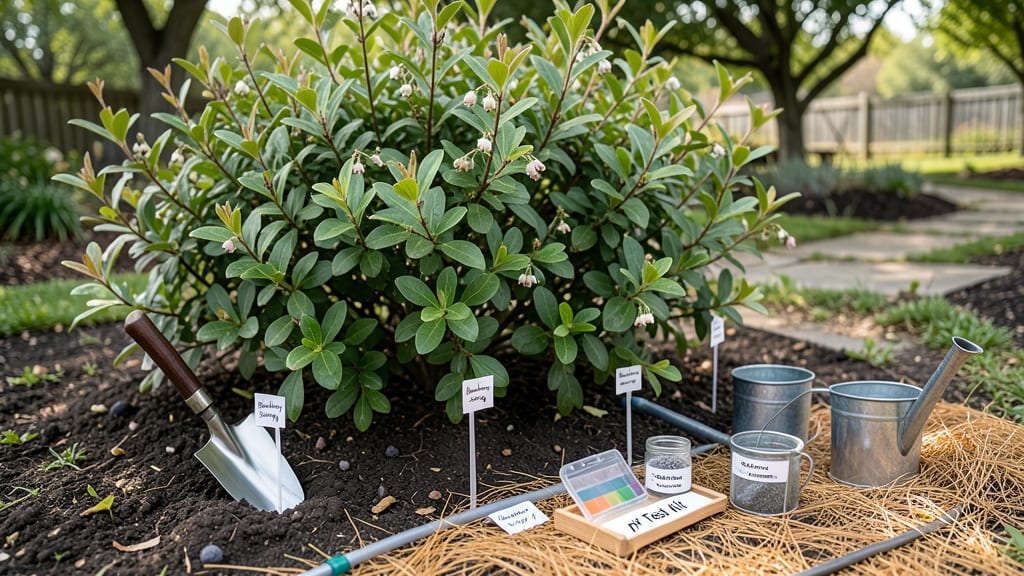
Timing your blueberry planting in South Carolina can make or break your harvest—especially when late frosts or scorching summer heat threaten young roots. The 7b-9a zones here demand precision, and getting it wrong means struggling bushes or wasted effort.
Most gardeners assume spring is the only window, but fall planting offers cooler soil and fewer pests—October to November is actually ideal for 🫐 bushes to establish roots before winter.
I’ll break down exactly when to plant in your specific region, so you avoid common mistakes that trip up even experienced growers.
You’ll learn how to read soil warmth, track frost dates, and adjust for microclimates—whether you’re in the humid Lowcountry or the drier Piedmont. These steps ensure your blueberries thrive from the start, not just survive.
Let’s cut through the guesswork and get your bushes off to the best possible start with localized timing tips that actually work in SC’s climate.
Best planting months for blueberries in SC by USDA Zone
South Carolina’s USDA zones 7b-8a create distinct windows for planting blueberries, but timing is everything. In Zone 7b (Upstate), where late frosts linger until mid-April, fall planting (October-November) gives roots time to establish before winter.
Meanwhile, Zone 8a (Coastal) gardeners can push spring planting to March-April thanks to milder winters.
Soil temperature is your true planting guide. Blueberries need 50-60°F soil to thrive—cold soil stunts root growth, while waiting too long risks summer heat stress. Use this zone-by-zone breakdown to align your planting with SC’s climate quirks, like Piedmont’s earlier frosts or Charleston’s humidity delays.
🌱
Spring planting in Zone 7b is riskier—aim for late March only if soil is warm and frost predictions are clear. Coastal gardeners, however, can plant as early as February thanks to Zone 8a-9a’s longer growing seasons.
Pro tip: Container-grown blueberries (sold at nurseries) adapt faster to soil changes, giving you a 2-week buffer for timing flexibility.
If you miss fall’s window, don’t panic—just amend your soil with peat moss or sulfur to lower pH (blueberries need 4.5-5.5) and water deeply before planting in spring. The key is root establishment before summer’s heat sets in, so prioritize soil prep over calendar dates.
🌿
For Upstate SC (Zone 7b), I recommend fall planting—it’s the safest bet. Start by testing your soil’s pH and temperature in early October. If your soil hits 55°F+ by mid-October, you’re golden.
For Coastal SC (Zone 8a-9a), spring planting works beautifully, but wait until after the last frost (usually mid-March) and monitor NOAA frost alerts for updates.
One mistake I see often? Gardeners in Zone 7b planting too early in spring because the air feels warm. Soil temperature ≠ air temperature—use a $10 soil thermometer to avoid stunted roots.
In Zone 8a, the opposite happens: fall planting too late leaves bushes vulnerable to winter chill.
🫐
To nail your timing, check local frost dates from the SC Cooperative Extension Service and pair them with NOAA’s frost prediction maps. For example, Greenville’s last frost averages April 15, while Charleston’s is March 1.
Planting 2-4 weeks before your area’s last frost gives roots time to anchor before summer heat.
Remember: Blueberries are slow starters. A 6-month-old bush in fall will outperform a spring-planted one by next harvest season. If you’re in Zone 7b, October 15 is your sweet spot. For Zone 8a-9a, March 15 is ideal—just mulch heavily to retain soil warmth.
How to check soil warmth & frost dates before planting blueberries
Before you dig in, knowing your soil temperature and local frost dates is non-negotiable for blueberry success in South Carolina. Cold soil shocks roots, while premature planting risks frost damage.
Let’s break down how to check these critical factors—because timing is everything for blueberry bushes in SC’s USDA Zones 7b-8a.
Start by checking your last frost date using the NOAA frost calendar or your local Cooperative Extension Service. For most of SC, this falls around mid-March, but coastal areas (Zone 8a) can be weeks earlier.
Planting 6-8 weeks before the last frost gives roots time to establish before summer heat hits.
🔍 Visual Element: Step-List 🔍
Use a soil thermometer to test at 6-inch depth. Ideal planting soil should be 50-60°F for roots to establish without shock.
Visit NOAA’s frost calendar or contact your local Extension office for precise dates. Zone 7b (Upstate) often sees frost until early April, while Zone 8a (Coastal) may be frost-free by mid-February.
Lowcountry areas stay warmer longer. If you’re in Zone 8a or 9a, consider fall planting (October-November) to avoid summer heat stress.
Blueberries need acidic soil (pH 4.5-5.5). Use a soil test kit and amend with peat moss or sulfur if needed.
Check 7-day forecasts for unexpected cold snaps. If frost is predicted, delay planting or use row covers for protection.
Don’t overlook soil warmth—planting in cold soil can stunt root growth. If your soil is below 50°F, wait or use black plastic mulch to warm it faster. For Zone 7b gardeners, this often means holding off until late March or early April.
SC’s humidity and microclimates add complexity. Coastal areas like Charleston (Zone 8a) can plant earlier in spring, while Upstate regions (Zone 7b) may need to wait until after the last frost. Always cross-reference with local data—your neighbor’s yard might have different conditions!
Pro tip: If you’re unsure, fall planting (October-November) is a safer bet for most of SC. The soil stays warm enough for roots to settle in before winter dormancy. Just avoid planting too late—6 weeks before the first frost is the cutoff.
Remember, blueberries hate surprises. Whether you’re in Greenville (Zone 7b) or Myrtle Beach (Zone 8a), taking these steps ensures your bushes start strong. Now grab that soil thermometer—your future blueberry harvest depends on it! 🌱