
Plants
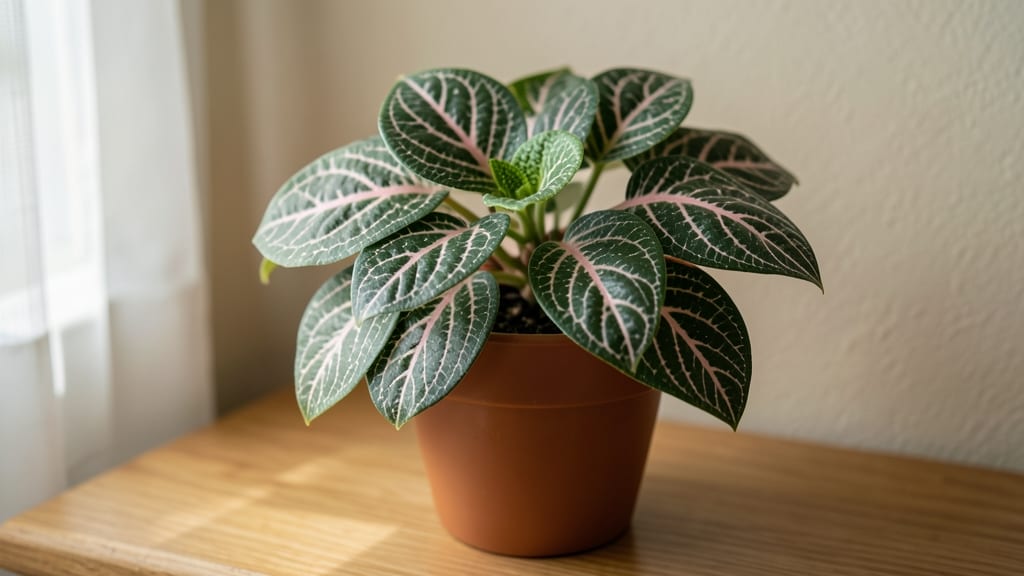
If you're wondering how much light does a nerve plant need to thrive, the answer is simple: the right amount of indirect sunlight is the key to unlocking those stunning, intricate patterns that make this plant so special—but get it wrong, and you’ll end up with crispy edges or dull leaves.
Most people assume these delicate plants need low light, but bright indirect light is actually what keeps them thriving. Think of it like Goldilocks—too little, and your plant will stretch out and lose its color; too much, and those pretty veins will scorch.
The good news? Finding that perfect spot is easier than you think.
Whether you’re dealing with a dim corner or a sun-soaked windowsill, I’ll show you exactly how to position your nerve plant for success. We’ll cover the best windows, signs your plant is begging for more (or less) light, and even how to use grow lights if natural light falls short.
Ready to turn your plant from lackluster to showstopper? Let’s dive into the secrets of lighting that’ll have your nerve plant looking its absolute best year-round.

Ideal light requirements for nerve plant growth: bright indirect sunlight explained
Nerve plants (Fittonia) thrive under bright indirect sunlight—this is their sweet spot for vibrant foliage and healthy growth. Without enough light, their signature veined patterns fade, and leaves lose their striking colors. But too much direct sun? That’s a recipe for crispy, brown edges. Let’s break down exactly what your plant needs to flourish.
The perfect light setup for nerve plants mimics their natural habitat—dappled shade under taller trees. Think of it as a 60% light intensity on a scale from 0 (full shade) to 100 (full sun). This means placing them near windows but not directly in the path of harsh afternoon rays.
East-facing or north-facing windows are ideal because they provide gentle, diffused light without the intensity of south or west exposures.
Here’s how to spot if your nerve plant is getting the right amount of light—or if it’s struggling:
| Light Condition | Leaf Appearance | Growth Pattern | Action Needed |
|---|---|---|---|
| Too Little Light | Pale, washed-out veins; dull green leaves | Leggy, sparse growth; long stems | Move closer to a brighter window or use grow lights |
| Perfect Light | Vibrant veins (pink, white, or silver); rich green leaves | Compact, bushy growth; new leaves forming regularly | Keep in current spot; rotate occasionally for even growth |
| Too Much Light | Brown or crispy edges; bleached veins | Stunted growth; leaves curling or dropping | Move to a shadier spot or add a sheer curtain |
If your nerve plant is showing signs of light stress, don’t panic—adjustments are simple. For example, if the leaves are turning yellow or the veins are fading, it’s likely not getting enough light.
In contrast, if the edges are crispy or the leaves are curling, it’s getting too much direct sun. The key is to find that goldilocks zone—bright enough to keep the colors popping but gentle enough to avoid damage.
Seasonal changes can also affect your nerve plant’s light needs. During winter months, when daylight is shorter, you might need to supplement with a grow light (LED or fluorescent) for 6-8 hours a day.
Conversely, in summer, when the sun is intense, move your plant a few feet away from the window or use a sheer curtain to diffuse the light. This prevents the leaves from getting sunburned while still providing enough brightness.
Pro tip: Rotate your plant every 2-4 weeks to ensure even growth. Nerve plants tend to grow toward the light source, which can cause them to become lopsided. A simple quarter-turn keeps them symmetrical and encourages fuller foliage.
This is especially important if your plant is near a window—it’ll naturally lean toward the light, so regular rotation helps maintain its shape.
For indoor gardeners, east-facing windows are the best choice because they offer morning sun, which is less intense than afternoon rays. If you only have south or west-facing windows, place your nerve plant at least 3-4 feet away to avoid direct sunlight.
Alternatively, use a light filter like a sheer curtain or a translucent screen to soften the light before it reaches the plant.
Outdoor growers have a bit more flexibility, but nerve plants still prefer partial shade. In a garden setting, plant them under the canopy of taller shrubs or trees where they’ll receive dappled sunlight—think of a forest understory.
Avoid placing them in full sun, especially during the hottest part of the day (11 AM to 3 PM), as this can cause irreversible damage to the delicate leaves.
Remember, every home’s lighting is unique. If you’re unsure whether your space is too bright or too dim, start with a north-facing window—it’s the safest bet for nerve plants.
Then, observe your plant’s response over a few weeks. Adjust as needed, and soon you’ll have a thriving nerve plant with those stunning, vibrant veins you’ve been dreaming of. 🌿
Ideal light requirements for nerve plant growth: bright indirect sunlight explained
Your nerve plant (Fittonia) thrives on bright indirect sunlight, making it perfect for homes with filtered light. Too little light dulls its vibrant foliage patterns, while too much causes leaf burn. The key is mimicking its natural understory habitat—think dappled shade in a rainforest.
Place your plant 2-3 feet from an east or north-facing window for optimal conditions. South-facing windows may require sheer curtains to diffuse harsh rays, especially during peak afternoon sun. Avoid west-facing windows entirely, as they expose plants to intense late-day sunlight.
| Light Condition | Ideal Placement | Signs of Stress |
|---|---|---|
| Bright Indirect Light (60%) | East/North window, 2-3 ft away | Vibrant patterns, healthy growth |
| Low Light (<30%) | Deep shade, no direct sun | Leggy stems, faded colors |
| Direct Sunlight (>70%) | South/West windows, no filter | Brown crispy edges, wilting |
Notice your plant’s foliage patterns fading? It’s craving more light—try moving it closer to the window or supplementing with a grow light (6-8 hours/day). If leaves develop crispy brown edges, it’s getting too much direct sun.
Rotate your plant quarter-turn weekly to ensure even light exposure and prevent lopsided growth.
Seasonal adjustments matter too! During winter months, when daylight is shorter, your nerve plant may need artificial light to maintain its vibrant colors. Place it near a south-facing window temporarily, but keep it 3+ feet away to avoid scorching.
In summer, watch for afternoon sun and use light-colored curtains to diffuse intensity.
Pro tip: Morning sunlight is gentler than afternoon rays. If your plant starts showing yellowing leaves, it’s likely getting too much heat or direct midday sun. Move it to a shadier spot immediately—nerve plants are sensitive to heat stress, which can lead to permanent damage.
With the right light balance, your nerve plant will reward you with bold, intricate patterns that make it a showstopper. Start with bright indirect light, monitor its response, and tweak as needed—your plant will thank you with lush, healthy growth! 🌿