
Plants
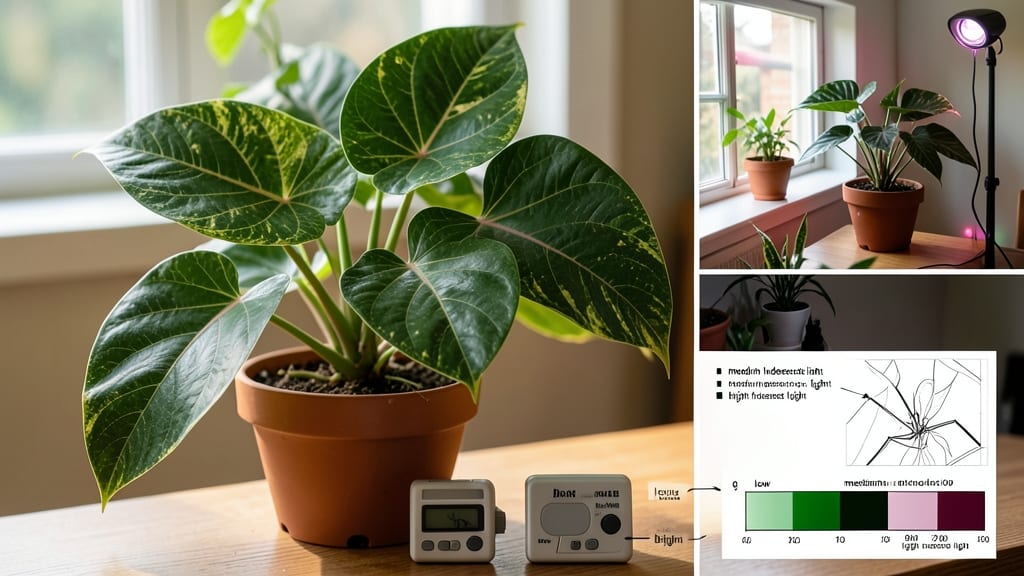
If you’re wondering how much light does an arrowhead plant need, you’re probably noticing droopy leaves or stretched-out stems—and the fix is simpler than you’d think.
These tropical beauties thrive in bright, indirect sunlight, but too much direct sun or dim corners can turn their lush foliage into a struggle.
Most people assume "bright light" means harsh sunlight, but for Arrowhead Plants, it’s all about that gentle glow. Too little light leads to weak growth, while too much causes crispy edges.
I’ll show you exactly where to place your plant—whether you’ve got an east-facing window or just a north-side corner—to keep those arrow-shaped leaves vibrant and healthy.
What’s even better? These plants are forgiving once you know the signs. Yellowing leaves? Probably not enough light. Brown patches? Too much sun. I’ll walk you through troubleshooting like a pro, so you can adjust your setup without guessing.
Ready to transform your Arrowhead Plant 🌿 from struggling to stunning? Let’s break down the perfect light balance and keep your plant happy year-round—no green thumb required.

Ideal light requirements for arrowhead plants: bright indirect sunlight explained
Your arrowhead plant (Syngonium) thrives in bright indirect sunlight, mimicking its native tropical understory habitat. Too little light causes leggy growth, while too much leads to leaf burn. The sweet spot is 1,000-2,000 foot-candles of light—about the brightness of a shady patio on a sunny day.
Arrowhead plants naturally grow under dappled forest light, so they prefer filtered sunlight over harsh direct rays. This means placing them near east or west-facing windows where morning or afternoon sun gently filters through curtains or sheer fabrics.
South-facing windows can work too, but only if you use a sheer curtain to diffuse the intensity.
🌿
| Light Condition | Foot-Candles | Ideal Location | Seasonal Adjustments |
|---|---|---|---|
| Low Light | <500 | North-facing window or 8+ ft from bright window | Use grow lights 12 hrs/day |
| Bright Indirect | 1,000-2,000 | East/west window 1-3 ft away | Rotate plant weekly for even growth |
| Direct Sun | >2,500 | South window without filter | Move to indirect light immediately |
In summer months, when sunlight is most intense, your arrowhead plant may need extra protection. If you notice yellowing leaf edges or brown spots, move it further from the window or add a light sheer curtain.
During winter, when natural light dims, supplement with a 12-hour grow light to maintain healthy growth patterns.
Measuring light in your home is easier than you think. Use your smartphone camera to check light levels: open the camera app in a dark room, then point it at your plant's current spot. If the image looks washed out, you have too much direct light.
If it appears dark or grainy, your plant needs brighter conditions. For precise readings, use a light meter app like "Light Meter" (free on iOS/Android).
Arrowhead plants are highly adaptable but perform best with consistent light exposure. Avoid placing them in dark corners or directly in front of air conditioning vents, which can create drafty, uneven conditions.
Instead, choose a stable spot where they receive 4-6 hours of filtered light daily. Rotate the pot quarter-turns weekly to ensure even growth and prevent the plant from leaning toward the light source.
Different arrowhead varieties have slightly varying light needs. For example, Syngonium 'White Butterfly' with its striking variegation needs slightly more light (closer to 2,000 foot-candles) to maintain its creamy white patterns.
Meanwhile, solid green varieties like 'Pink Splash' tolerate lower light conditions (as low as 700 foot-candles) without losing their vibrancy.
If you're growing your arrowhead plant outdoors in USDA Zone 6a or warmer, treat it like a houseplant during extreme heat. Provide afternoon shade with a lightweight shade cloth (30-50% coverage) to protect delicate leaves from scorching temperatures.
In cooler climates, you can bring potted arrowheads outside in spring and summer, but always acclimate them gradually over 7-10 days to avoid sunburn shock.
Remember, the key to happy arrowhead plants is observation. Pay attention to your plant's foliage color, growth rate, and leaf shape. A healthy arrowhead plant will have deep green leaves, compact stems, and arrow-shaped foliage that's proportionate to its size.
If you notice any deviations, adjust the light conditions gradually—never make sudden changes, as this can stress the plant.
☀️
Signs your arrowhead plant isn’t getting enough (or too much) light
Your arrowhead plant speaks volumes through its leaves—pay attention to these visual clues that reveal its light struggles. If the foliage turns yellowish-green or develops brown patches, it’s likely begging for more bright indirect light. These signs often appear first on older leaves and spread quickly if ignored.
On the flip side, crispy brown edges or bleached white patches mean your plant is getting too much direct sunlight. This scorch happens when leaves receive harsh rays, especially through south-facing windows. Move your plant immediately to prevent permanent damage.
Another red flag? Stretched stems with large gaps between leaves. This "leggy" growth is your plant’s way of reaching for light, a classic sign of low-light stress. Unfortunately, once stems elongate, they rarely return to their compact form—prevention is key.
🌱 Too Little Light
☀️ Too Much Light
Don’t confuse light stress with underwatering—both cause brown edges, but light issues appear first on exposed leaf surfaces, while thirst shows as crispy edges all around. Stick your finger 1 inch into soil: if dry, water first; if moist, adjust light instead.
Pro tip: Rotate your plant every 2-3 weeks to ensure even light exposure on all sides. This prevents lopsided growth and helps you spot early signs of light imbalance before they worsen. A simple quarter-turn keeps your arrowhead plant balanced and thriving.
Remember, arrowhead plants are tropical survivors—they’ll adapt to low-light conditions but never thrive in them. If you notice multiple symptoms at once, prioritize light correction before adjusting water or fertilizer. Your plant’s foliage will thank you with rich, arrow-shaped leaves in no time!