How To
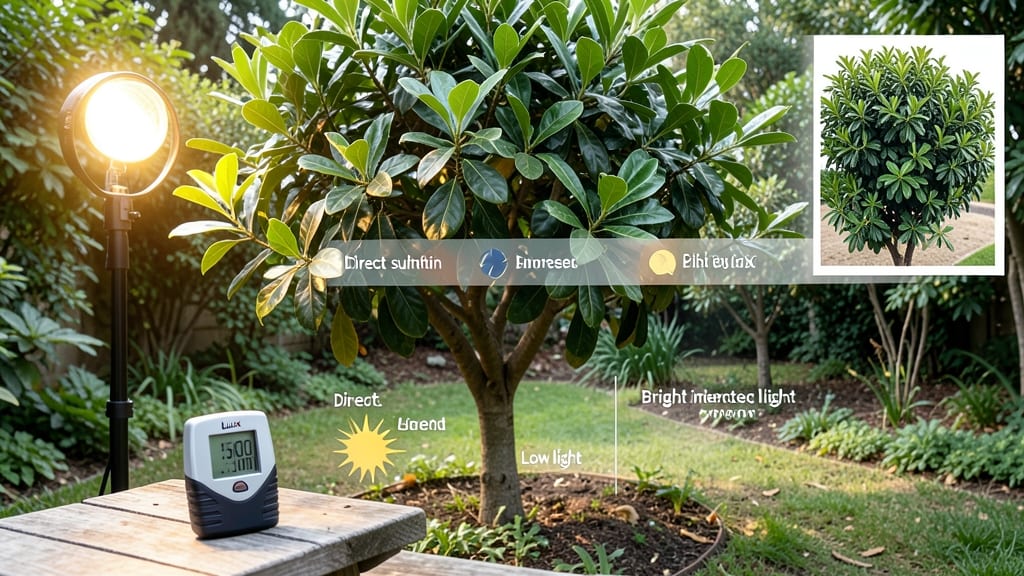
If your avocado plant 🥑 is struggling—yellowing leaves, weak stems, or stunted growth—how much light does an avocado plant need might be the hidden culprit.
Too much sun can scorch those delicate leaves, while too little leaves your plant stretching desperately toward any light source, leaving it leggy and weak.
Finding the perfect balance isn’t just about survival; it’s about thriving. Avocados crave sunlight, but not the intense, scorching kind that turns leaves crispy.
I’ll show you exactly how much light your plant needs—whether you’re growing it indoors by a window or outdoors in USDA Zone 6—and how to spot the signs when you’ve got it just right (or just wrong).
From seedlings to mature trees, light requirements change, and so do the tricks to keep your plant happy. You’ll discover how to adjust exposure based on the season, your climate, and even the direction your window faces. No more guesswork—just lush, healthy growth every time.
Ready to turn those browned edges and floppy stems into vibrant, productive foliage? Let’s dive into the sunlight spectrum that’ll keep your avocado plant reaching for the sky—not just surviving, but flourishing.

Optimal sunlight requirements for avocado plants by growth stage
Avocado plants are sun worshippers—they crave bright, direct light to thrive. Without enough sunlight, you’ll end up with leggy, weak stems and sparse leaves. But too much? That’s a fast track to leaf burn and crispy edges. The key is understanding how their light needs shift as they grow.
For seedlings and young plants, aim for 4-6 hours of bright, indirect light daily. Think of it like giving them a gentle introduction to the sun—too much too soon can shock their delicate leaves.
As they mature, their tolerance for direct sunlight increases, but gradual exposure is still critical.
Mature avocado plants need 6-8 hours of full sun daily, but in hotter climates like USDA Zones 9-11, they can handle up to 10+ hours if properly acclimated. The trick is balancing intensity with hydration—overwatering in intense sun leads to root rot, while underwatering causes stress that makes them more susceptible to sun damage.
Fruiting-stage plants demand the most sunlight—8+ hours daily—to develop those creamy, nutrient-rich avocados. If your plant is struggling to fruit, insufficient light is often the culprit. Look for small, misshapen fruit or fewer flowers as red flags.
🌱
Identifying light stress signs early saves your plant. Under-exposure shows up as pale, yellow leaves and stretched stems reaching for light.
This is your plant’s way of saying, “I need more sun!” On the flip side, over-exposure causes crispy, brown edges (leaf burn) or wilted, droopy leaves—a clear SOS for shade.
If you’re growing avocados in containers, rotate the pot quarter-turns weekly to ensure even light exposure. Uneven growth (lopsided plants) is a common sign of favored sunlight. For outdoor plants, east-facing spots offer gentle morning sun, while west-facing areas can get intense afternoon heat—perfect for gradual acclimation.
Pro tip: Monitor leaf color as your guide. Healthy avocado leaves are deep green and glossy. If they start looking dull or mottled, it’s time to adjust your light strategy. In low-light conditions, supplement with a grow light (more on this in our next section!).
🪴
One common misconception is that avocados can thrive in partial shade. While they tolerate 2-3 hours of shade daily, this is only for young plants or extreme heat zones. Push for more sunlight as your plant matures—fruit production depends on it.
And remember: indoor avocados near windows? South-facing is ideal, but west-facing works too—just watch for afternoon intensity.
For outdoor growers, seasonal adjustments matter. In summer, provide afternoon shade (3-5 PM) to prevent heat stress. In winter, extend light with grow lights if natural light drops below 4 hours/day. The goal? Keep your avocado plant consistently happy year-round.
How to prevent leaf burn: adjusting light exposure for different climates
Avocado plants thrive in bright, direct sunlight, but too much intensity—especially in hot climates or summer months—can cause leaf burn and stunted growth. The key is balancing sun exposure with gradual acclimation to avoid shocking your plant.
If you’ve noticed brown, crispy edges on leaves, your avocado is begging for shade adjustments.
Start by observing your plant’s current light conditions. If it’s outdoors, note whether the afternoon sun (the harshest) is hitting it directly. For indoor plants, check if south-facing windows are providing too much heat. Avocados in USDA Zones 9-11 need afternoon shade during peak summer months to prevent stress.
Here’s how to adjust light exposure safely: Begin by moving your plant to a partially shaded spot for a few hours daily, then gradually increase its sun tolerance over 1-2 weeks.
Avoid sudden moves from full shade to full sun, as this mimics natural seasonal changes and reduces shock.
For indoor avocado plants, rotate the pot quarter-turns weekly to ensure even light exposure. If leaves lean toward the light, it’s a sign your plant needs more balanced sunlight. In low-light homes, supplement with a grow light (more on this in the next section).
Seasonal changes require light adjustments. In spring and fall, avocados can handle 6-8 hours of direct sun, but during summer’s intense heat, reduce exposure to 4-6 hours of morning sun only.
Use a lightweight shade cloth (30-50% coverage) if outdoors to filter harsh rays without blocking airflow.
If your avocado is outdoor-year-round, plant it near a south-facing wall or under drip irrigation shade cloths to protect it from midday sun. For container-grown plants, choose a spot that gets morning sun and afternoon shade, like near a patio or deck with partial coverage.
Consistency is key—avoid moving plants back and forth between sun and shade, as this confuses their growth patterns.
Remember, healthy leaves = happy avocados. Monitor your plant’s foliage color and growth rate to fine-tune its light exposure. With the right balance, your avocado will reward you with vibrant green leaves and—eventually—juicy fruit! 🌿