
Plants
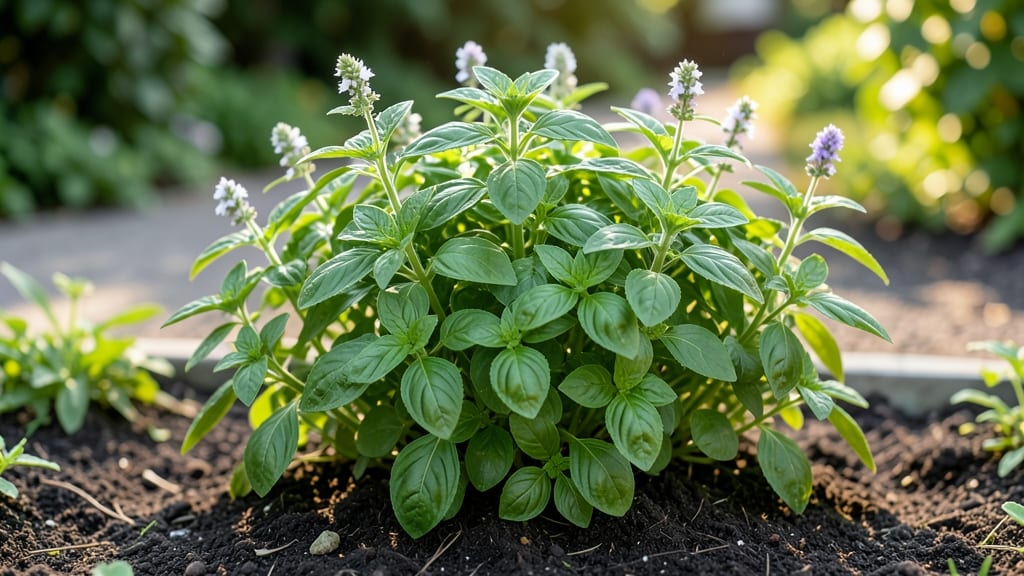
If you’ve ever wondered how tall can a basil plant grow, you’re not alone—many gardeners are surprised when their once-compact basil 🌿 suddenly shoots up like a sun-seeking rocket.
While most varieties top out around 18–24 inches, some can stretch toward 3 feet if left unchecked, turning your herb garden into a jungle of leggy stems.
But here’s the secret: your basil’s height isn’t just about genetics—it’s a direct response to sunlight, pruning habits, and even the pot you choose. With the right care, you can keep your plants bushy and manageable while maximizing those flavorful leaves for pesto and salads.
Let’s break down the science behind basil growth and how to control it for a thriving harvest.
Whether you’re growing Genovese basil** for classic dishes or dwarf varieties for windowsill gardens, understanding growth patterns is key. Some types naturally stay shorter, while others bolt upward if they feel crowded or starved for light.
The good news? A little strategic pruning can turn a towering basil into a leafy powerhouse—no green skyscraper required.
Ready to unlock the secrets to controlling basil height while boosting your yield? I’ll show you exactly how to pinpoint the ideal size for your space, troubleshoot leggy growth, and keep your plants productive from June through September. Let’s get growing!

Basil plant height limits: variety-specific growth ranges explained
If you've ever wondered why your basil plant seems to shoot up like a sunflower or stays stubbornly short, the answer lies in its variety. Basil isn't one-size-fits-all—some varieties reach 2 feet tall while others barely clear your kitchen counter.
Understanding these differences helps you choose the right type for your garden space and growing goals.
The average basil height ranges from 6 inches to 24 inches at maturity, but this varies dramatically between dwarf varieties and tall-growing types.
For example, Genovese basil, the classic pesto favorite, typically grows 18-24 inches tall, while Thai basil often stays around 12-18 inches. Purple basil and Lemon basil also lean toward the taller side, while bush basil varieties stay compact.
Here’s the key: spacing matters. Crowded basil plants compete for sunlight and nutrients, leading to leggy, stretched growth. If you plant them too closely (less than 12 inches apart), they’ll grow tall and weak.
But with proper spacing and care, even tall basil varieties can thrive without becoming unruly. Let’s break down the height ranges by type so you can pick the perfect fit for your garden.
Notice how bush basil and Spicy Globe varieties stay under 12 inches, making them ideal for container gardening or windowsill setups. These dwarf basil types produce dense foliage with minimal height, perfect if you’re short on space or want to grow basil indoors.
Meanwhile, Genovese and Lemon basil reach their full height potential when given full sun and proper spacing.
Another factor influencing height is pruning habits. If you pinch back the tips regularly, basil tends to grow bushier and shorter. Without pruning, it may stretch toward the sunlight, becoming leggy and top-heavy.
This is why container-grown basil often needs more attention—it’s confined to a smaller space and can grow tall quickly if neglected.
Climate also plays a role. In hot, humid regions, basil may grow faster and taller due to ideal conditions. Conversely, in cooler climates, growth slows, and plants may stay shorter unless you provide extended sunlight or use grow lights.
If you’re growing basil in USDA Zone 5 or colder, consider starting seeds indoors for a head start on the growing season.
For maximum harvests, aim for a height balance. Tall varieties like Genovese yield larger leaves but need more space, while bush types produce smaller leaves in higher density.
If you’re growing basil for pesto, prioritize taller, leafy varieties. For garnishes or salads, compact types work better.
Pro tip: If your basil starts to bolt (flower), it will grow even taller and produce bitter-tasting leaves. To prevent this, harvest regularly and remove flower buds as soon as they appear. This keeps the plant focused on leaf production and maintains a manageable height.
How to control basil plant height for bigger harvests
If your basil plant is stretching toward the sky like a sun-seeking rocket, don't panic—you're not dealing with a lost space probe! Tall basil isn't always a bad thing, but controlling its height ensures bushier growth and more leaves for your pesto.
The key lies in pruning techniques, light management, and smart container selection. With these methods, you can keep your basil at an ideal 12-18 inch height while maximizing your harvest.
Start by understanding that basil grows tall when it stretches for sunlight. This happens when your plant doesn't get enough light or when it's overcrowded. The good news? Pinching and pruning can transform that leggy growth into a compact, leafy bush.
Think of it like giving your basil a haircut—regular trims keep it healthy and productive. Let's dive into the step-by-step process to keep your basil at the perfect height for a bountiful harvest.
Step-by-Step Basil Height Control Guide
- Step 1: Pinch Early – When your basil reaches 6-8 inches tall, pinch off the top set of leaves. This encourages side branching and a bushier shape.
- Step 2: Prune Regularly – Every 4-6 weeks, trim back any leggy stems to 4-6 inches above the soil. Use clean, sharp pruning shears to avoid damaging the plant.
- Step 3: Harvest Often – Always harvest leaves from the top of the plant. This prevents overgrowth and encourages new leaf production.
- Step 4: Choose the Right Container – Use a pot that's at least 6-8 inches deep and wide enough for 3-4 plants per container to avoid overcrowding.
- Step 5: Optimize Light – Place your basil in full sun (6+ hours daily). If indoors, use a grow light to prevent stretching.
- Step 6: Fertilize Lightly – Use a balanced fertilizer (10-10-10) every 4-6 weeks to support healthy growth without causing excessive height.
Another pro tip: Rotate your containers every few days to ensure even sunlight exposure. Basil plants lean toward the light, so rotation keeps them growing straight and sturdy. If you notice your basil flowering, remove the flowers immediately.
Flowering signals the end of the plant's productive life, and it can make the leaves bitter. By focusing on these steps, you'll keep your basil at an ideal height while enjoying a continuous supply of fresh leaves.
For compact varieties like Thai basil or dwarf basil, height control is even easier since they naturally stay shorter. These varieties are perfect for small spaces or containers and require less aggressive pruning. However, even dwarf varieties benefit from occasional pinching to encourage dense foliage.
If you're growing basil in a garden bed, space plants 12-18 inches apart to prevent overcrowding, which can lead to tall, weak stems.
Remember, consistency is key. Basil responds well to regular care, so make pruning and harvesting a habit. With the right approach, your basil plants will stay at a manageable height while producing abundant, flavorful leaves all season long.
Happy gardening, and may your basil always stay just the right size for easy harvesting!