
Plants
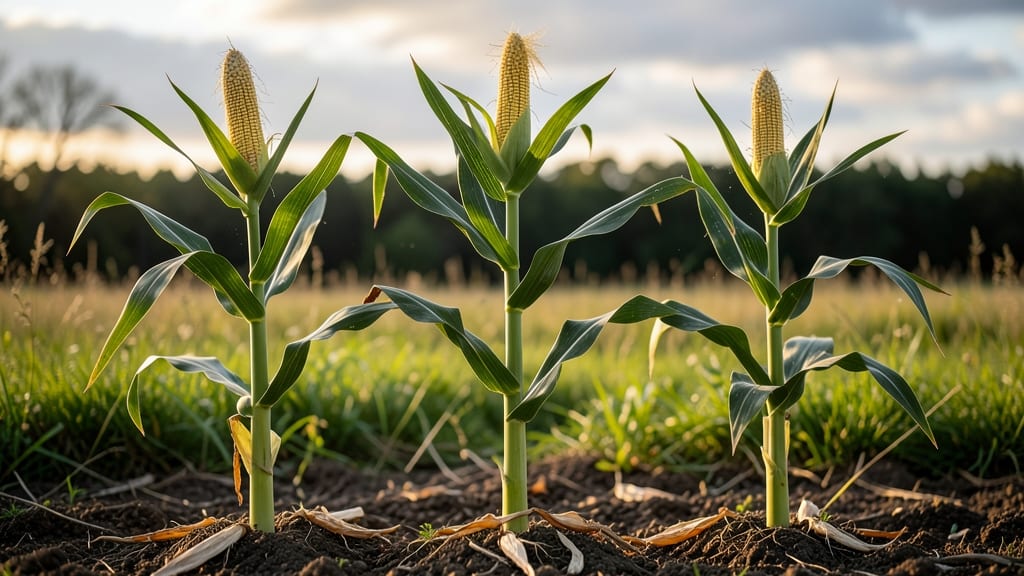
If you’ve ever wondered how tall a corn plant can grow and whether your garden can accommodate its impressive stature, you’re not alone. The answer isn’t one-size-fits-all—corn plants can stretch from 3 feet to a staggering 10 feet, depending on the variety and growing conditions.
Understanding how tall your corn will grow is the key to planning your garden layout and maximizing space.
Whether you’re working with a backyard plot or a small urban container, knowing the height range helps you avoid overcrowding and ensures each plant gets the sunlight and nutrients it needs to thrive.
In this guide, I’ll break down the height differences between dwarf, semi-dwarf, and standard corn varieties, so you can choose the perfect fit for your space.
You’ll also discover practical tips for spacing, support, and even creative ways to grow corn in tight spots—no matter how big (or small) your garden is.
Ready to turn your corn dreams into a reality? Let’s dive into the details so you can grow corn that’s both productive and perfect for your plot.

Corn plant height by variety: tall vs. dwarf types explained
If you’re planning a corn patch this spring, understanding corn plant height is key to avoiding overcrowding and maximizing your harvest. Most commercial sweet corn varieties reach 6 to 10 feet tall, while heirloom and specialty types can stretch up to 14 feet—taller than many gardeners expect!
The good news? Dwarf varieties exist for small spaces, and even standard corn can be managed with smart spacing techniques.
Corn height isn’t just about aesthetics—it directly impacts yield, airflow, and disease prevention. Tall varieties like ‘Country Gentleman’ (10–12 ft) thrive in wide-open fields but may struggle in tight home gardens.
Meanwhile, dwarf hybrids like ‘Bodacious’ (5–6 ft) are perfect for containers or urban plots. Let’s break down the options so you can choose what fits your space.
| Variety Type | Average Height | Best For | Spacing Needs |
|---|---|---|---|
| Standard Sweet Corn | 6–10 ft | Home gardens, fields | 3 ft between plants, 36 in rows |
| Dwarf Hybrids | 3–5 ft | Containers, small plots | 18–24 in between plants |
| Heirloom/Field Corn | 8–14 ft | Large gardens, rural areas | 4 ft between plants, 48 in rows |
| Miniature Corn | 2–3 ft | Ornamental, small spaces | 12 in between plants |
For standard sweet corn, the 6–10 ft height means you’ll need to plan for wind resistance and sturdy stalks. Planting in blocks (not rows) improves pollination and reduces height-related issues.
If your garden is under 10 ft wide, consider dwarf varieties—they mature faster and produce ears earlier, which is a game-changer for short-season climates.
Heirloom corn, like ‘Black Aztec’, can reach 12–14 ft and requires ample space and support. These varieties are stunning but need 4+ ft between plants to avoid shading and disease.
If you’re growing for ornamental purposes, miniature corn (2–3 ft) adds color without the height commitment.
Pro tip: Check the maturity days on seed packets—taller varieties often take 90+ days to harvest, while dwarfs may mature in 60–75 days. This affects when you can plant and whether you’ll get a second harvest in one season.
For example, ‘Silver Queen’ (8 ft) matures in 75 days, while ‘Peaches and Cream’ (5 ft) does it in 65.
Don’t overlook soil fertility—corn needs nitrogen-rich soil to reach its full height potential. A balanced fertilizer (10-10-10) at planting and again at tasseling (when pollen appears) ensures strong stalks.
If your soil is poor, taller varieties may flop over or produce fewer ears. Test your soil before planting to adjust pH and nutrients accordingly.
For small gardens or containers, look for bush-type corn like ‘Golden Bantam’, which stays under 5 ft and produces 2–3 ears per stalk. These are great for balconies or raised beds but may have slightly smaller ears.
If you’re unsure about height, start with a mix of dwarf and standard varieties to test what works best in your space.
Remember, corn height affects pollination. Tall varieties rely on wind or hand-pollination to transfer pollen from tassels (male flowers) to silks (female flowers). If your plants are too close, pollen may not reach all ears, leading to poor development.
Space rows 30–48 inches apart depending on variety to ensure good airflow and cross-pollination.
Finally, consider trellising or staking for taller varieties. While corn doesn’t climb like pole beans, bamboo stakes or cages can provide support and prevent stalks from bending in wind or rain. This is especially helpful in urban gardens where space is limited but height isn’t.
🌽Corn plant height by variety: tall vs. dwarf types explained
Corn plants can range from dwarf varieties under 5 feet to towering stalks reaching 12+ feet, making height one of the first considerations when planning your garden. The variety you choose directly impacts how much space you’ll need and whether you’ll require support structures.
For example, standard sweet corn varieties like 'Silver Queen' typically grow 7–10 feet tall, while heirloom types such as 'Country Gentleman' can stretch to 12 feet or more.
If you’re working with limited space, dwarf corn varieties like 'Little and Lovin’ It' or 'Tom Thumb' stay between 3–5 feet tall—perfect for containers or small gardens. These shorter varieties often produce earlier harvests and are ideal for urban gardeners or those with compact growing areas.
However, they may yield fewer ears per stalk compared to taller varieties.
| Variety Type | Average Height | Growth Habit | Best For |
|---|---|---|---|
| Dwarf Varieties | 3–5 ft | Compact, bushy | Containers, small gardens |
| Standard Sweet Corn | 7–10 ft | Tall, sturdy stalks | Traditional gardens, high yields |
| Heirloom/Field Corn | 10–14 ft | Very tall, may need support | Large gardens, ornamental use |
| Semi-Dwarf Hybrids | 5–7 ft | Balanced height, sturdy | Medium spaces, high productivity |
When selecting corn varieties, consider your garden’s sunlight exposure and wind conditions. Taller varieties like 'Country Gentleman' thrive in open, sunny areas with 6+ hours of direct sunlight daily, while dwarf varieties can tolerate slightly shadier conditions or container constraints.
Always check the seed packet for mature height estimates and days to maturity to align with your growing season.
For optimal growth, space corn plants according to their mature height and stalk width. Standard varieties need 12–18 inches between stalks and 3 feet between rows, while dwarf varieties can be planted 8–12 inches apart.
Proper spacing prevents overcrowding, which can lead to poor ear development or increased disease risk. If you’re growing multiple varieties, place taller types on the north side of your garden to avoid shading shorter plants.
If you’re unsure about variety height, start with semi-dwarf hybrids like 'Peaches and Cream' or 'Golden Bantam,' which offer a compromise between height and yield. These varieties typically reach 5–7 feet and produce reliable harvests even in less-than-ideal conditions.
Always monitor your plants’ growth early in the season—if stalks appear too tall for your space, consider pruning lower leaves to reduce wind damage and improve airflow.
Remember, corn’s height isn’t just about aesthetics—it’s tied to pollination success and ear quality. Taller stalks often produce more ears per plant, but they also require stronger support in windy areas. Use stakes or trellises for varieties over 8 feet to prevent lodging (when stalks fall over).
With the right variety and spacing, you can grow corn successfully in almost any garden, from urban balconies to rural fields.