
Plants
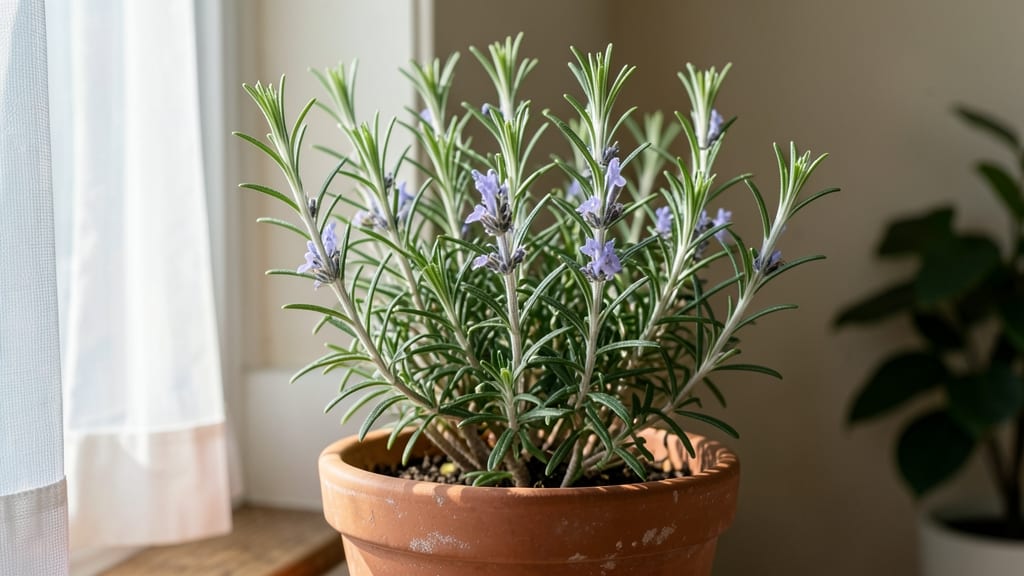
If you’ve ever wondered how tall does a rosemary plant grow, the answer might surprise you—because this hardy herb isn’t just one-size-fits-all. Some varieties stay compact enough for windowsill pots, while others reach towering heights that make them a garden centerpiece.
Knowing your rosemary’s potential height helps you plan everything from pruning schedules to where to place it in your space.
Rosemary thrives as a perennial in zones like 6a, meaning it can live for years with the right care. But whether you’re growing it for its fragrant culinary uses or as an ornamental plant, its mature height varies dramatically.
Bushy types like ‘Prostratus’ stay low, while upright varieties like ‘Blue Spires’ can stretch up to 6 feet—so choosing the right type for your garden is key.
What you might not realize is that sunlight, soil, and pruning play huge roles in controlling rosemary’s growth. Too much shade or overwatering can stunt its height, while strategic trimming encourages fuller, bushier plants.
Even in containers, rosemary’s size can be managed with the right techniques—making it perfect for both small balconies and sprawling gardens.
Ready to grow rosemary that fits your space? I’ll break down the exact height ranges for popular varieties, plus the simple tricks to keep it thriving—whether you want a tiny kitchen herb or a dramatic garden statement. Let’s get started!

Rosemary plant height by variety: compact vs. tall growth habits
Rosemary’s mature height varies dramatically between varieties, so choosing the right type depends on your garden’s layout and design goals. Upright varieties like 'Blue Spires' can reach 5-6 feet tall, making them ideal for tall borders or focal points.
Meanwhile, dwarf varieties like 'Prostratus' stay under 2 feet and work perfectly for edging or container gardens. Even within the same category, growth habits differ—some varieties grow wider while others shoot straight up.
Understanding these differences helps you avoid overcrowding or wasted space. For example, a 3-foot-tall rosemary bush like 'Arp' fits neatly in a 12-inch-deep container, while taller types need 18+ inches of root space to thrive.
The key is matching the variety’s natural growth habit to your available space and sunlight conditions.
Here’s how rosemary varieties break down by height and growth form:
| Variety | Mature Height | Growth Habit | Best For |
|---|---|---|---|
| 'Blue Spires' | 5-6 ft | Upright, narrow | Tall borders, hedges |
| 'Arp' | 3-4 ft | Bushy, rounded | Containers, culinary gardens |
| 'Prostratus' | 1-2 ft | Trailing, spreading | Rock gardens, edging |
| 'Hill Hardy' | 4-5 ft | Upright, cold-hardy | Cold climates, privacy screens |
| 'Irene' | 2-3 ft | Compact, bushy | Potted herbs, small gardens |
If you’re growing rosemary in containers, dwarf or semi-dwarf varieties like 'Irene' or 'Arp' are your best bet. These stay under 4 feet and thrive in 12-16 inch pots, making them perfect for patios or balconies.
For ground planting, taller varieties like 'Blue Spires' create stunning vertical interest when placed against fences or walls.
One common mistake is assuming all rosemary grows the same height. Over-pruning can stunt growth, while under-pruning leads to leggy, sparse plants. For example, 'Prostratus' needs minimal pruning to maintain its trailing form, while 'Blue Spires' benefits from regular trimming to encourage bushier growth at the base.
For culinary use, bushier varieties like 'Arp' or 'Irene' are ideal because they produce more tender stems for harvesting. Taller varieties still yield flavorful leaves but may require step stools or ladders to reach the upper branches!
Always harvest from the newest growth to keep the plant healthy and productive.
In USDA Zones 7-10, rosemary grows as a perennial, meaning it can reach its full height over 3-5 years with proper care. In colder zones (6a-6b), varieties like 'Hill Hardy' are hardier and still reach 4-5 feet despite winter dieback.
Always check your variety’s hardiness before planting in cooler climates.
Pro tip: If you’re short on space, try pruning back taller varieties like 'Blue Spires' in early spring. This encourages lateral branching and creates a fuller, shorter plant that fits better in smaller gardens. Just avoid cutting into old wood, as rosemary struggles to regrow from mature stems.
🌿
Rosemary plant height by variety: compact vs. tall growth habits
When planning your rosemary garden, the first question is always: how tall does a rosemary plant grow? The answer depends entirely on the variety you choose.
Rosemary comes in three main growth habits—upright, bushy, and trailing—each with distinct height ranges that affect everything from pruning to garden placement. For example, the ‘Blue Spires’ variety can reach 5-6 feet, while ‘Prostratus’ stays low and spreading at just 1-2 feet.
Knowing these differences helps you pick the perfect rosemary for your space, whether it’s a windowsill, container, or garden bed.
Most rosemary varieties are perennials in USDA zones 6a-10, meaning they’ll grow year after year with the right care. However, their mature height varies widely.
Upright types like ‘Hill Hardy’ or ‘Arp’ (3-4 feet) are ideal for borders or as focal points, while dwarf varieties like ‘Blue Spires’ (3-4 feet) or ‘Irene’ (2-3 feet) work well in containers or small gardens.
Even within the same category, growth habits can shift based on pruning and sunlight—so your 3-foot rosemary today could become a 5-foot shrub tomorrow with the right conditions.
| Variety | Growth Habit | Mature Height | Best For |
|---|---|---|---|
| Blue Spires | Upright | 5-6 ft | Garden borders, focal points |
| Prostratus | Trailing | 1-2 ft | Containers, hanging baskets |
| Arp | Bushy | 3-4 ft | Kitchen gardens, small spaces |
| Hill Hardy | Upright | 4-5 ft | Cold climates, windbreaks |
| Irene | td style="padding: 8px; border-bottom: 1px solid #4a727c;">Dwarf2-3 ft | Windowsills, small pots |
If you’re growing rosemary in containers, even tall varieties like ‘Blue Spires’ can be kept under 4 feet with regular pruning. The key is to pinch back new growth in early spring to encourage bushier, more compact growth.
For ground-planted rosemary, upright types naturally reach their full height, while trailing varieties like ‘Prostratus’ spread outward instead of upward. This makes them perfect for rock gardens or as ground cover, where their low height blends seamlessly with other plants.
One common mistake is assuming all rosemary grows the same height. In reality, ‘Hill Hardy’ rosemary, bred for cold climates, often stays shorter (3-4 feet) than its Mediterranean cousins, which can stretch toward 6 feet in ideal conditions.
To control height, I recommend pruning in late winter or early spring before new growth starts. This not only keeps your rosemary at your desired height but also encourages denser foliage and more abundant harvests.
For example, cutting back ‘Blue Spires’ by one-third in spring can prevent it from becoming too leggy.
For culinary use, bushier varieties like ‘Arp’ or ‘Irene’ are ideal because their compact size makes harvesting easier. Meanwhile, taller types like ‘Blue Spires’ are better suited for ornamental gardens or as a backdrop for shorter herbs like thyme or oregano.
The key takeaway? Choose your rosemary based on both height and purpose, and don’t forget that pruning is your best tool for shaping its growth.
Ready to pick the perfect rosemary for your garden? Start by matching the variety’s mature height to your space—whether that’s a 3-foot container or a 6-foot garden border.
With the right variety and care, your rosemary will thrive for years, adding both beauty and fragrance to your outdoor (or indoor!) space. 🌿