
Plants
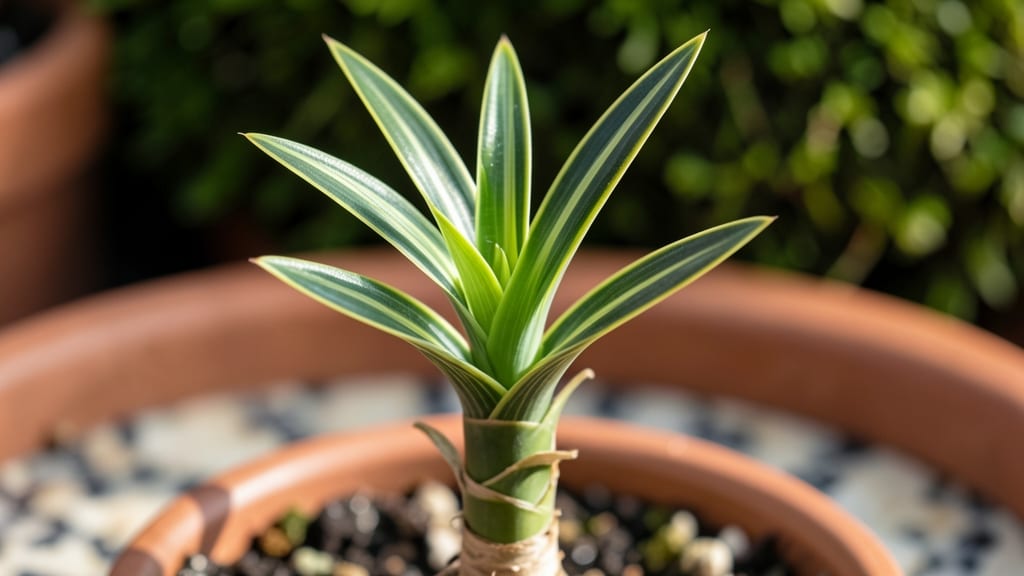
Wondering how tall does a snake plant grow before it turns your living room into a jungle? This resilient 🌱 houseplant can surprise you with its slow-but-steady growth, but the truth about its height depends on more than just time—it’s all about variety, care, and a little strategic planning.
Most snake plants (like the classic Sansevieria trifasciata) mature between 2 to 4 feet tall, but some dwarf varieties stay compact at just 1 foot. The key to controlling its height?
Light exposure, pot size, and watering habits—all of which we’ll break down so you can keep your plant at your ideal height, whether that’s ceiling-height drama or countertop-friendly.
If you’ve ever caught your snake plant stretching toward the light like it’s reaching for a skyscraper, you’re not alone. But with the right care, you can guide its growth—even encouraging it to bush out instead of shoot up.
Let’s dive into the secrets of managing a snake plant’s size without sacrificing its iconic, low-maintenance charm.
From pruning tips to pot selection, we’ll cover everything you need to know to keep your snake plant thriving—no matter how tall (or short) you want it to be. Ready to take control of your plant’s growth story?

Snake plant height limits: expected growth ranges for indoor varieties
If you’ve just brought home a snake plant (Sansevieria trifasciata), you might be curious about how tall it’ll grow. The good news? Most varieties stay within manageable indoor height limits—typically between 1 to 4 feet at maturity.
However, growth rates and final height depend heavily on the specific cultivar, care conditions, and even your pot size. Let’s break down what to expect for popular varieties.
For example, the classic Sansevieria trifasciata 'Laurentii' (also called "snake plant") usually reaches 2 to 3 feet indoors, while dwarf varieties like Sansevieria 'Futura Superba' max out around 1 to 2 feet.
Understanding these ranges helps you plan for space and avoid surprises when your plant starts stretching toward the ceiling.
Here’s the key factor: light exposure directly impacts height. Snake plants grown in bright, indirect light tend to grow taller and fuller, while those in low-light conditions may stay shorter but become leggy.
If you’re dealing with a tall, stretched-out plant, it’s often a sign of insufficient light rather than rapid growth.
Another critical factor is root-bound conditions. When a snake plant’s roots fill its pot, it signals the plant to grow upward more aggressively. Repotting into a slightly larger container can help manage height by encouraging root expansion instead of vertical growth.
This is especially useful if you’re growing a taller variety like Sansevieria cylindrica, which can reach up to 4 feet indoors.
Let’s compare the most common snake plant varieties and their expected heights:
| Variety | Indoor Height Range | Time to Maturity | Growth Rate |
|---|---|---|---|
| Sansevieria trifasciata 'Laurentii' | 2–3 feet | 2–3 years | Moderate (3–6 inches/year) |
| Sansevieria cylindrica | 3–4 feet | 3–4 years | Slow (2–4 inches/year) |
| Sansevieria 'Futura Superba' | 1–2 feet | 1–2 years | Fast (4–8 inches/year) |
| Sansevieria zeylanica | 1–2 feet | 1–2 years | Moderate (3–5 inches/year) |
| Sansevieria 'Hahnii' | 1–1.5 feet | 1 year | Fast (5–7 inches/year) |
If you’re growing a taller snake plant like Sansevieria cylindrica, you’ll notice it takes longer to reach maturity—often 3 to 4 years—but the slow growth rate means you won’t see sudden height spikes.
On the other hand, dwarf varieties like 'Hahnii' grow quickly but stay compact, making them ideal for small spaces or desks.
One common misconception is that snake plants grow taller faster in low light. In reality, they stretch out (a condition called etiolation) but don’t necessarily add much height.
To prevent this, place your plant near a bright, indirect light source, like a north-facing window, and rotate the pot every few months for even growth.
For those with limited vertical space, choosing a dwarf variety or pruning regularly can help keep your snake plant at a manageable height. For instance, if your Laurentii starts exceeding 3 feet, you can trim the tallest leaves and propagate them to keep the parent plant shorter.
This also gives you extra plants to share with friends!
Remember, snake plants are slow growers compared to other houseplants. With proper care—including well-draining soil, minimal watering, and the right light—they’ll reward you with steady, controlled growth. Whether you’re aiming for a tall statement plant or a compact desk companion, there’s a snake plant variety that
Snake plant height limits: expected growth ranges for indoor varieties
Snake plants (Sansevieria trifasciata) are famous for their slow, steady growth—but how tall will yours really get? On average, indoor snake plants reach 2 to 4 feet tall, though some varieties stay shorter.
The most common cultivar, Sansevieria trifasciata 'Laurentii', typically hits 3 feet in 3–5 years, while taller varieties like Sansevieria cylindrica can stretch up to 6 feet with ideal conditions. Your plant’s final height depends on light exposure, pot size, and variety.
Growth isn’t linear—most snake plants grow 6–12 inches per year during their first few years, then slow down. For example, a 1-year-old plant might be 1–2 feet tall, while a 5-year-old could reach its mature height of 3–4 feet.
If you’re growing a dwarf variety like Sansevieria zeylanica, expect 1–2 feet max, making it perfect for small spaces.
🌱
| Variety | Mature Height | Growth Rate | Time to Maturity |
|---|---|---|---|
| Sansevieria trifasciata 'Laurentii' | 3–4 ft | 6–12 in/year (young) | 3–5 years |
| Sansevieria cylindrica | 4–6 ft | 8–12 in/year | 5–7 years |
| Sansevieria zeylanica | 1–2 ft | 3–6 in/year | 2–3 years |
| *Sansevieria 'Futura Superba' | 2–3 ft | 5–10 in/year | 3–4 years |
Light is the biggest factor in snake plant height. Placing your plant in bright, indirect light (like a north-facing window) encourages taller, leaner growth, while low-light conditions slow growth but keep plants stockier and shorter.
If your snake plant stretches toward a light source, it’s crying out for more brightness—but avoid direct sun, which can scorch the leaves.
Pot size also plays a role: Snake plants in small pots grow slower because their roots have less room to expand. If you want to limit height, keep your plant in a snug pot (just 1–2 inches larger than the root ball).
For faster growth, upgrade to a larger container (12–16 inches wide) every 2–3 years to accommodate its expanding roots.
Finally, watering habits indirectly affect height. Overwatering stresses the plant, slowing growth, while underwatering can stunt it. Stick to deep watering every 2–3 weeks—let the top 2–3 inches of soil dry out between waterings to keep your snake plant healthy and growing at its expected rate.
☀️