
Plants
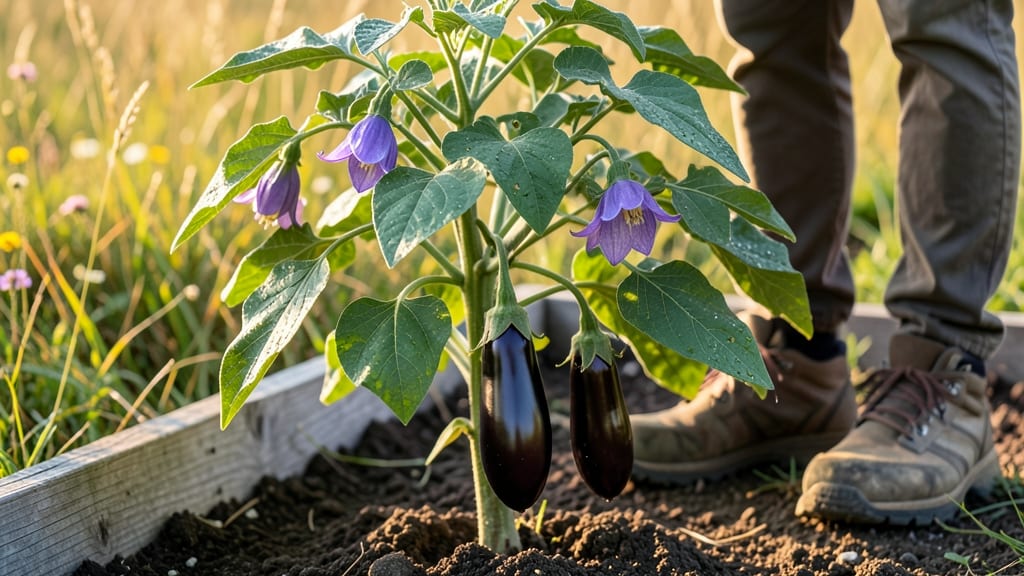
If you've ever wondered "how tall does an eggplant plant grow", you're not alone—many gardeners assume these plants need a lot of space. The truth is, eggplant heights vary wildly, from compact varieties perfect for containers to towering plants that need room to stretch.
For most gardeners in USDA Zone 6a, standard eggplant varieties reach 3-4 feet tall, while dwarf types stay under 2 feet. That means you can grow them in small gardens, containers, or even on balconies with the right approach.
In this guide, I'll break down the height differences between varieties, share space-saving tips, and debunk common myths about eggplant growth. Whether you're working with 1 square foot or a full garden bed, you'll learn how to maximize your harvest without sacrificing space.
Ready to transform your garden? Let's explore how to choose the right eggplant for your space and keep them thriving from April planting through September harvests.

Eggplant plant height by variety: from dwarf to towering
Eggplant plants come in surprising diversity when it comes to height—some barely reach your knee while others tower like small trees. Understanding these differences is key to planning your garden layout, especially if you're working with limited space.
The average mature height for most eggplant varieties falls between 2 to 4 feet, but this can vary dramatically depending on the specific cultivar you choose.
For gardeners with tight spaces, dwarf varieties are absolute game-changers. These compact plants typically max out around 1 to 2 feet tall, making them perfect for containers, balcony gardens, or small raised beds.
Meanwhile, standard varieties can stretch up to 4 feet or more, requiring more room to spread and grow. Even within these categories, some giant varieties like 'Black Beauty' can reach impressive heights, while others like 'Fairy Tale' stay delightfully petite.
Here’s the critical insight: height isn’t just about space—it also impacts how you care for your plants. Taller varieties often need staking or trellising to prevent sprawling, while dwarf types thrive with minimal support.
The good news? You can grow high-yielding eggplants in even the smallest of gardens if you pick the right variety and provide the right care.
🌱
| Variety Type | Mature Height | Space Needs | Best For |
|---|---|---|---|
| Dwarf Varieties | 1–2 ft | Containers, small beds | Balconies, patios, urban gardens |
| Semi-Dwarf Varieties | 2–3 ft | Small gardens, raised beds | Beginner gardeners, mixed beds |
| Standard Varieties | 3–4 ft | In-ground plots, larger containers | Traditional gardens, high yields |
| Giant Varieties | 4+ ft | Spacious gardens, trellises | Experienced gardeners, large harvests |
One of the most common misconceptions about eggplants is that all varieties need ample garden space. In reality, dwarf and semi-dwarf varieties can thrive in 5-gallon containers or even larger pots, making them ideal for balcony gardens or small urban plots.
For example, the 'Fairy Tale' eggplant stays under 2 feet tall and produces plenty of fruit for a family of four, all while fitting neatly on a patio.
If you're growing standard or giant varieties, plan for at least 2 feet of space in all directions, as these plants spread as much as they grow tall. Black Beauty, a popular standard variety, can reach 4 feet tall and benefits from staking or trellising to keep the plant upright and fruits off the ground.
Without support, these taller varieties can sprawl, leading to poor air circulation and increased risk of disease.
For gardeners in small spaces, consider bush-type eggplants like 'Patio Baby' or 'Ichiban,' which are bred to stay compact. These varieties are perfect for container gardening and often produce earlier and more consistently than their taller counterparts.
The trade-off? They may yield slightly fewer fruits, but the convenience of no staking or trellising makes them a favorite for beginners.
Another factor that influences height is pruning practices. Regularly pinching back the tips of standard varieties can encourage bushier growth and prevent the plant from becoming too leggy.
This technique is especially useful if you're growing eggplants in small containers, as it helps the plant focus its energy on fruit production rather than excessive height.
🌿
Before finalizing your eggplant variety, check the seed packet or plant tag for height specifications. Many nurseries now label plants with mature height ranges, which can save you from surprises later in the season.
If you're unsure, ask your local nursery for recommendations based on your garden's size and layout. With the right variety and a little planning, you can enjoy homegrown eggplants—no matter how small your space!
Eggplant plant height by variety: from dwarf to towering
Eggplant plants vary dramatically in height depending on the variety, with some reaching towering heights while others stay compact enough for containers. Understanding these differences helps you plan your garden layout and choose the right plants for your space.
Standard varieties typically grow 3 to 4 feet tall, but dwarf types can stay as short as 1 to 2 feet, making them perfect for small gardens or balconies.
For gardeners with limited space, knowing the mature height of each variety is crucial. Tall varieties like 'Black Beauty' can reach 4 feet or more and require more room, while bush types like 'Fairy Tale' max out at just 18 inches.
Even within the same category, heights can vary by 1 foot or more, so always check seed packets for specifics.
The summary-table below breaks down eggplant varieties by height, helping you visualize how each fits into your garden plan. Whether you're working with a raised bed, container, or in-ground plot, this guide ensures you pick the right size for your needs.
| Variety | Height Range | Best For |
|---|---|---|
| Dwarf Varieties | 1–2 ft | Containers, small gardens, balconies |
| Semi-Dwarf Varieties | 2–3 ft | Raised beds, in-ground plots |
| Standard Varieties | 3–4 ft | Large gardens, trellised spaces |
| Giant Varieties | 4–5 ft+ | Sprawling gardens, trellises |
Height isn't the only factor to consider—growth habits also play a role. Bush varieties grow outward and downward, while standard types grow upward, making them ideal candidates for trellising or staking.
If you're short on horizontal space, tall varieties can be trained vertically to save room while still producing abundant fruit.
For example, 'Black Krim' reaches 3 to 4 feet but can be pruned to stay shorter if needed. Meanwhile, 'Rosa Bianca' stays around 2 feet tall but produces large, heart-shaped fruits perfect for containers. Always match the variety to your space and growing style to maximize success.
Remember, even within the same variety, height can vary slightly based on growing conditions like sunlight and soil quality. With the right care, you can coax even taller varieties to stay within your desired space limits.