
How To
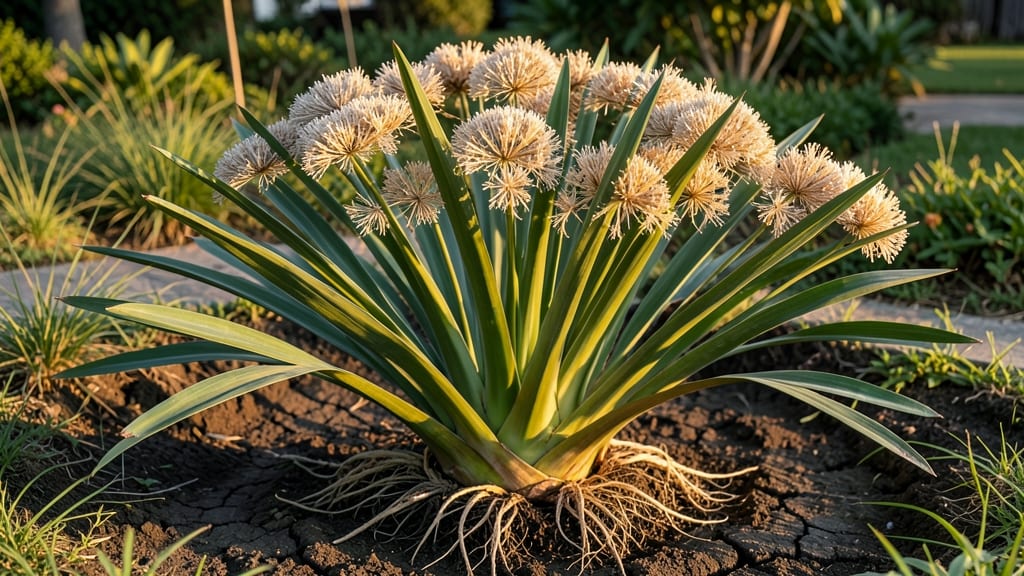
Wondering how tall does papyrus plant grow before it becomes a backyard giant? This striking 🌿 plant can reach sky-high proportions—up to 15 feet in its natural tropical habitat—but don’t let that scare you off.
Whether you’re growing it in a lush outdoor pond or a cozy indoor pot, size control is totally possible with the right care.
The difference between a 6-foot indoor statement piece and a 15-foot outdoor stunner often comes down to one key factor: space. In USDA Zones 8-11, papyrus thrives when planted in shallow water or boggy soil, where it stretches toward the sun.
But even in tight spaces, you can keep it manageable with smart pruning and container choices.
What’s more surprising? This ancient plant doesn’t just grow tall—it spreads too, forming dense clumps that can double its width. That means if you’re eyeing a small balcony or patio, you’ll need to plan for both height and spread.
The good news? With the right techniques, you can enjoy its dramatic foliage without sacrificing your garden’s layout.
Ready to turn your space into a papyrus paradise? I’ll walk you through everything you need to know—from choosing the right variety to keeping it at your ideal height. Let’s get started!

Papyrus plant growth height: indoor vs outdoor comparison guide
The papyrus plant (Cyperus papyrus) is famous for its dramatic height, but how tall it grows depends entirely on where you plant it. In the wild, this ancient plant can reach 10 to 20 feet tall, towering over humans like a natural skyscraper.
However, in your backyard or indoor space, its height can vary wildly—from a modest 3 to 6 feet indoors to a 12 to 15 feet outdoor giant.
If you're planning to grow papyrus, understanding these differences is crucial. A 15-foot plant in your living room would be a disaster, while a 3-foot version in a pond might feel too small.
Let’s break down the key factors that determine whether your papyrus plant will stay short or shoot for the sky.
🌿 Visual Comparison:
| Growth Environment | Typical Height Range | Key Factors Affecting Height | Best For |
|---|---|---|---|
| Indoor (Containers) | 3–6 feet | Limited sunlight, smaller pots, cooler temps | Small spaces, patios, bright rooms |
| Outdoor (Ponds) | 6–12 feet | Full sun, deep water, warm climate | Large ponds, water gardens, tropical yards |
| Outdoor (Bog Gardens) | 10–20 feet | Unrestricted space, ideal soil, no pruning | Large estates, natural wetlands, statement plants |
For indoor papyrus plants, the biggest height limiter is container size. A 10-gallon pot will keep your plant under 4 feet tall, while a 20-gallon container can push it to 6 feet.
Without proper pruning, even indoor plants can outgrow their space quickly, especially if placed near a south-facing window with abundant sunlight.
Outdoor papyrus plants, on the other hand, thrive when planted in shallow water or boggy soil. In these conditions, they can grow 2–3 feet per year, reaching their full height of 10–20 feet within just a few seasons.
If you live in USDA Zones 8–11, your papyrus plant will likely grow to its maximum height without intervention.
One common misconception is that papyrus plants grow only in deep water. While they love moisture, they actually prefer shallow water (1–3 inches deep) or saturated soil. Planting them in deeper water can stunt their growth or even kill them, as their roots need access to oxygen.
If you're growing papyrus in a small space, consider the dwarf variety (Cyperus papyrus 'Nana'), which typically stays between 3–5 feet tall. This variety is perfect for containers, balconies, or small ponds where space is limited.
Just remember: even dwarf varieties need full sun and consistent moisture to stay compact.
For those with large outdoor spaces, embracing the papyrus plant’s full height can create a stunning focal point. Imagine a 15-foot papyrus plant next to your pool or garden pond—it’s a conversation starter and a nod to ancient Egyptian landscapes.
Just be prepared for its rapid growth and the need for occasional pruning or division to keep it manageable.
Whether you're aiming for a miniature indoor papyrus or a towering outdoor specimen, the key to controlling height lies in container size, sunlight exposure, and pruning habits.
With the right approach, you can grow papyrus that fits your space perfectly—no matter how tall (or short) you want it to be.
Papyrus plant growth height: indoor vs outdoor comparison guide
When you bring home a Cyperus papyrus, its height can surprise you—especially if you're comparing indoor pots to outdoor ponds. In nature, these ancient plants reach 10 to 20 feet tall, creating dramatic wetland backdrops.
But in containers or small spaces, they stay much shorter, typically between 3 to 6 feet. The difference comes down to space, sunlight, and water—three factors you can control to shape your plant's growth.
Outdoor papyrus thrives in USDA Zones 8-11, where they grow aggressively in water gardens or marshy soil. Without these ideal conditions, their growth slows dramatically.
For example, a plant in a 12-inch pot might only reach 4 feet tall, while the same variety in a pond or large container could shoot up to 8 feet or more. This flexibility makes papyrus a versatile choice for both small balconies and large landscapes.
| Growth Factor | Indoor (Container) | Outdoor (Pond/Garden) |
|---|---|---|
| Mature Height | 3–6 ft | 10–20 ft |
| Sunlight Needs | 6+ hours (south window) | Full sun (8+ hours) |
| Water Depth | 1–2 inches (container) | 6+ inches (pond) |
| Growth Rate | Slow (compact roots) | Rapid (expansive roots) |
| Best For | Small spaces, offices | Ponds, wetlands, large gardens |
If you're growing papyrus indoors, focus on bright light and shallow water to encourage upward growth. Place your pot near a south-facing window or use a grow light for 8+ hours daily.
In contrast, outdoor plants need deep water or boggy soil to fuel their rapid vertical growth. Without enough moisture, their stems become thin and leggy, which weakens the plant over time.
Another key difference is root space. Papyrus plants spread aggressively in water, so outdoor varieties can double in size within a single growing season. To manage this, divide mature clumps every 2–3 years to prevent overcrowding.
For indoor plants, repot every 2 years into a container just 2–3 inches larger in diameter to keep growth controlled.
For those with limited space, dwarf varieties like 'Nana' stay under 3 feet tall, making them perfect for balconies or patio pots. These smaller versions still need full sun and moist soil, but their compact size lets you enjoy papyrus without sacrificing floor space.
Just remember: more water = taller growth, while drier conditions = slower, bushier plants.
Whether you're aiming for a miniature papyrus or a towering wetland feature, understanding these height differences helps you plan your garden layout. Start with a small container if you're unsure—you can always upgrade to a larger space as your plant grows!