
How To
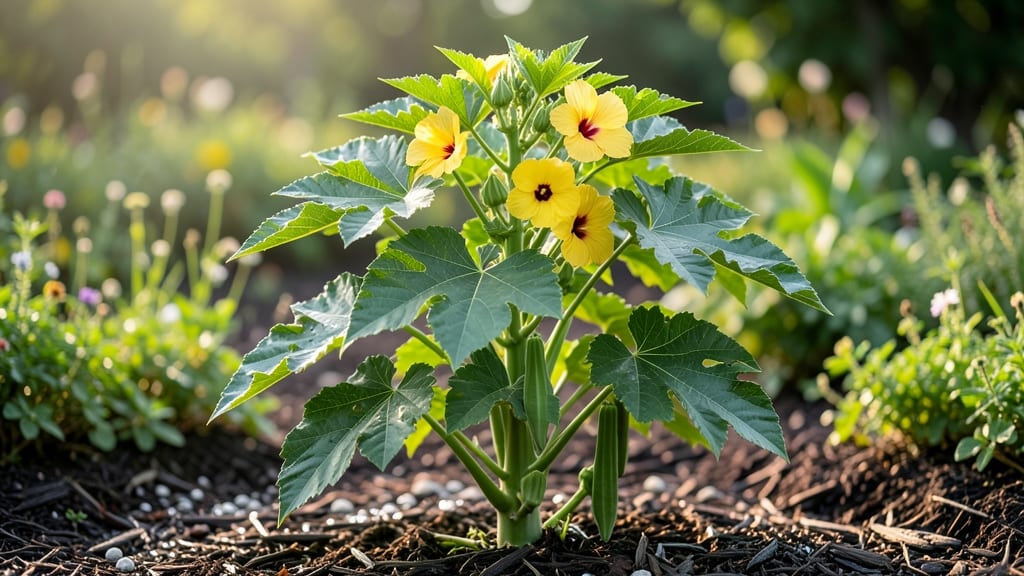
Wondering how tall okra plants grow before they start producing those prized pods? The answer might surprise you—some varieties stretch toward the sky like nature’s own ladder, while others stay neatly within arm’s reach.
Whether you’re planning a small container garden or a sprawling backyard plot, understanding your okra’s growth potential is key to maximizing your harvest.
Okra 🌱 thrives in warm climates like USDA Zone 6a, where it can shoot up 6 to 10 feet tall in a single season—think of it as a vertical vegetable factory!
But don’t let those towering stems fool you; even dwarf varieties hit 3 to 5 feet, making them perfect for smaller spaces. The secret to controlling height lies in variety selection, proper spacing, and a little strategic support.
Here’s what you need to know: Okra’s rapid growth means it’ll need staking or trellising once it hits 2 to 3 feet, but timing matters. Too early, and you’ll waste support; too late, and you risk floppy plants that struggle to bear fruit.
I’ll walk you through the best practices for managing height without sacrificing productivity—so you can enjoy fresh pods all summer long.
From soil prep to pruning tips, we’ll cover everything to help your okra grow strong and steady. Whether you’re a first-time gardener or a seasoned green thumb, these insights will ensure your plants reach their full potential—without taking over your garden. Let’s get growing!

Okra plant height stages: from seedlings to mature growth
Okra plants are known for their impressive vertical growth, but their final height depends on the variety you choose and how well you care for them. Most standard okra varieties reach 6 to 10 feet tall, while dwarf varieties stay between 3 to 5 feet.
Understanding these growth stages helps you plan your garden layout and support needs early.
When you first plant okra seeds, the seedlings emerge quickly—usually within 5 to 10 days—but they start small, around 1 to 2 inches tall. This initial phase is all about establishing roots before the real vertical growth spurt begins.
During this time, focus on keeping the soil consistently moist but not waterlogged.
Once your okra seedlings reach about 4 to 6 inches tall, they enter their rapid growth phase. This is where you’ll see the most dramatic height increase, often 1 to 2 feet per week under ideal conditions.
Proper sunlight, nutrients, and water are critical during this stage to avoid stunted growth or weak stems.
By the time okra plants reach 2 to 3 feet tall, they’re ready for support if you haven’t already provided it. This is also when you’ll start seeing the first okra pods forming.
If left unsupported, taller varieties can flop over, making harvesting difficult and reducing airflow, which increases the risk of fungal diseases.
| Growth Stage | Height Range | Key Characteristics | Care Tips |
|---|---|---|---|
| Seedling | 1–2 inches | Thin stems, first true leaves | Keep soil moist, thin seedlings |
| Rapid Growth | 4–6 inches to 3 feet | Stems thicken, leaves expand | Add support, fertilize lightly |
| Mature (Standard) | 6–10 feet | Thick stems, heavy pod production | Prune lower leaves, stake firmly |
| Mature (Dwarf) | 3–5 feet | Compact growth, fewer pods | Minimal support, harvest frequently |
If you’re growing dwarf okra varieties, you’ll notice they mature faster and produce pods earlier than standard types. These compact plants are perfect for smaller gardens or containers, but they still benefit from occasional pruning to encourage bushier growth and more pods.
Standard varieties, on the other hand, will continue growing taller until the first frost, so plan your garden space accordingly.
One of the biggest mistakes gardeners make is assuming all okra plants grow the same height. Clemson Spineless, for example, is a popular standard variety that can easily reach 8 to 10 feet, while Burgundy or Emerald dwarf varieties max out at 3 to 5 feet.
Always check the seed packet or plant tag for height expectations before planting.
To track your okra’s growth progress, mark the height of your tallest plant every 2 weeks using a measuring tape or ruler. This helps you monitor growth rates and adjust care as needed.
For instance, if your plants aren’t growing as expected, check for adequate sunlight, proper watering, and nutrient deficiencies.
In my garden, I’ve found that okra plants grow fastest during the summer months when temperatures are warm and days are long. If you live in a cooler climate, consider starting seeds indoors or using a black plastic mulch to warm the soil and extend the growing season.
This small adjustment can make a big difference in how tall your okra ultimately grows.
As your okra plants near their mature height, you’ll also notice the stems become thicker and more woody. This is a sign they’re ready for heavy pod production, but it also means they’ll need extra support to stay upright.
Ignoring this can lead to broken stems or tangled plants, making harvesting a nightmare.
Finally, remember that okra’s height isn’t just about aesthetics—it directly impacts your harvest yield. Taller plants produce more pods, but only if you provide the right care.
With the right variety, support, and attention, your okra can grow tall enough to become a stunning focal point in your garden while still delivering a bountiful harvest.
Okra plant height stages: from seedlings to mature growth
Okra plants are known for their impressive vertical growth, but their final height depends on the variety you choose and how well you care for them. Most okra varieties reach between 4 to 10 feet tall, with some dwarf varieties staying as short as 3 to 5 feet.
Understanding these growth stages helps you plan your garden layout and support structures early.
When you first plant okra seeds, the seedlings emerge quickly in warm soil, reaching about 1 to 2 inches tall within 7–10 days. This initial phase is critical for establishing a strong root system.
Once seedlings have 2–3 true leaves, they enter their rapid growth phase, where they can add 1–2 feet per week under ideal conditions.
Here’s how okra height compares across common varieties and growth stages:
| Variety Type | Seedling Height (Days 7–14) | Rapid Growth Phase (Weeks 3–6) | Mature Height (Weeks 8–12) |
|---|---|---|---|
| Dwarf Varieties (e.g., 'Burgundy', 'Emerald') | 1–2 inches | 3–5 feet | 3–5 feet |
| Semi-Dwarf (e.g., 'Clemson Spineless') | 1–2 inches | 5–7 feet | 5–7 feet |
| Standard Varieties (e.g., 'Jinang Green', 'Red Burgundy') | 1–2 inches | 6–8 feet | 8–10 feet |
During the rapid growth phase, okra plants develop their iconic tall, woody stems and broad leaves. This is when they need full sun exposure (at least 6–8 hours daily) and consistent moisture to support their height.
Without proper care, growth can slow or become uneven, leading to weaker stems that may struggle to support the weight of pods.
By the time okra reaches maturity (8–12 weeks after planting), its height stabilizes, but it continues producing pods along the stems. The longer you wait to harvest, the taller the pods grow—though they may become tougher and less tender.
For the best flavor, aim to harvest pods when they’re 3–4 inches long, which typically happens when plants are 4–6 feet tall.
Monitoring your okra’s height helps you decide when to provide support structures like stakes or trellises. Most gardeners introduce these around 2–3 feet tall to prevent stems from bending or breaking under the weight of pods.
Regular pruning of lower leaves can also improve airflow and reduce disease risk in taller varieties.
🌱