
How To
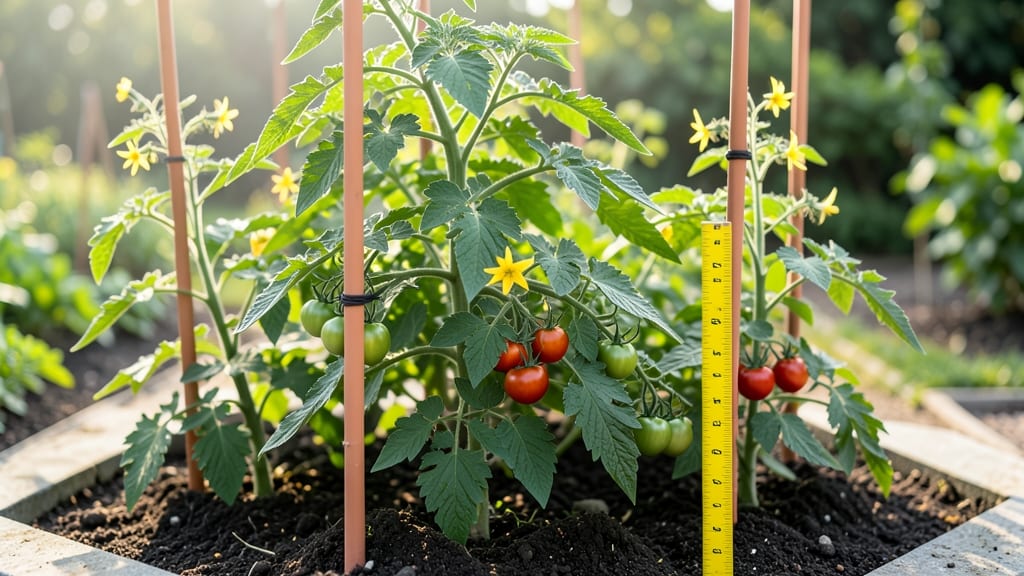
If you’ve ever wondered how tall a tomato plant will grow—whether it’ll stretch skyward like a jungle vine or stay neatly contained like a shrub—the answer lies in the variety you choose, and it makes all the difference for your garden layout. 🍅 Whether you're working with limited space or dreaming of a towering harvest, understanding how tall tomato plants grow helps you plan everything from stakes to companion plants.
The key difference? Determinate varieties top out around 3-5 feet, perfect for containers or small plots, while indeterminate types can climb to 10 feet or more if left unchecked.
That means your choice isn’t just about height—it’s about yield, space efficiency, and even how much pruning you’ll need to tackle.
Let’s break down the growth habits so you can pick the perfect tomato for your setup—whether you’re training vines up a trellis or keeping things compact in pots. You’ll discover how to manage sprawl naturally, plus which varieties thrive in tight spaces versus those that need room to roam.
Ready to turn your tomato dreams into a well-organized harvest? I’ll show you exactly how to match plant height to your garden’s needs—no guesswork required.

Tomato plant height by variety: determinate vs indeterminate growth habits
Understanding your tomato plant's growth habit is the first step to planning your garden layout. The two main categories—determinate and indeterminate—dictate everything from height to harvest timing.
Determinate varieties, also called bush tomatoes, grow to a set height (usually 3-5 feet) and produce fruit all at once. Indeterminate types, or vining tomatoes, keep growing until frost and yield continuously throughout the season.
If you're short on space, determinate varieties are your best bet—they stay compact and produce a single, heavy harvest. But if you want a steady supply of tomatoes all summer, indeterminate plants will climb and sprawl, potentially reaching 6-12 feet or more without support.
The key difference? One stops growing when it flowers, while the other keeps reaching for the sky.
Here's how these growth habits break down in real-world gardening scenarios:
| Type | Height Range | Growth Pattern | Harvest Window | Support Needs |
|---|---|---|---|---|
| Determinate | 3-5 ft | Bushy, compact | All at once (6-8 weeks) | Low (cages or stakes) |
| Indeterminate | 6-12+ ft | Vining, continuous | Ongoing (until frost) | High (trellises, stakes) |
For determinate tomatoes, think of them like shrubs—they grow until they flower, then stop. Varieties like 'Celebrity' or 'Roma' top out around 4 feet and produce a bumper crop in 6-8 weeks.
This makes them perfect for container gardening or small spaces. The trade-off? You'll need to replant or buy new seeds next year since they're annuals.
On the other hand, indeterminate tomatoes are the marathon runners of the garden. They'll keep growing until frost, producing fruit along the way. Varieties like 'Sungold' or 'Brandywine' can easily reach 8-10 feet or taller if given the right support.
Without proper trellising or staking, they'll sprawl across your garden, potentially shading other plants.
Here's a pro tip: If you're growing indeterminate varieties in containers, choose deep pots (at least 18-24 inches) and use a strong trellis system. Without support, these vines can become unmanageable, leading to broken stems and lost fruit.
For ground planting, give them 18-24 inches of space between plants to prevent crowding.
Another factor to consider is your climate zone. In warmer regions (like Zone 9+), indeterminate tomatoes can grow even taller because they have a longer growing season. In cooler areas (like Zone 5), they may stay shorter due to earlier frosts.
Always check the seed packet for days to maturity to align with your local frost dates.
For example, if you live in Zone 6 with a 165-day frost-free season, an indeterminate variety like 'Cherokee Purple' (which takes 85 days to produce fruit) will keep yielding until late summer or early fall.
But if you plant a 90-day determinate variety like 'Early Girl', you'll get one big harvest in early summer and then need to replant.
Remember, the height of your tomato plant isn't just about aesthetics—it directly impacts your yield and garden layout. Taller varieties need more vertical space, while shorter ones fit neatly into small gardens or containers.
Next time you're choosing seeds, ask yourself: Do I want a quick, heavy harvest or a long, steady supply? That decision will shape your entire growing season.
Tomato plant height by variety: determinate vs indeterminate growth habits
Tomato plants come in two main growth habits: determinate (bush types) and indeterminate (vining types). The difference isn’t just in height—it’s in how they produce fruit and how you’ll need to support them.
Determinate varieties, like 'Roma' or 'Celebrity', top out at 3-5 feet and produce fruit all at once. Indeterminate types, such as 'Brandywine' or 'Sungold', can grow 6-12+ feet and keep producing fruit until frost.
Knowing the difference helps you plan spacing, support, and even where to plant them in your garden.
If you’re working with limited space, determinate tomatoes are your best bet—they stay compact and don’t require trellises. But if you want a continuous harvest and don’t mind tall plants, indeterminate varieties will reward you with a never-ending supply of fruit.
The trade-off? You’ll need sturdy stakes or cages to keep those vines from toppling over. Without support, indeterminate plants can sprawl 10+ feet, making them a nightmare to manage in small gardens.
Here’s the key difference: determinate plants grow to a set height and then stop, while indeterminate plants keep growing as long as conditions are right. This means indeterminate plants need regular pruning to control height and encourage stronger stems.
Even with pruning, they can still reach 8-10 feet if given the right conditions. For example, 'Big Beef' tomatoes can grow 8-10 feet tall if left unchecked, but with proper pruning, you can keep them around 6 feet for easier management.
| Growth Habit | Height Range | Fruit Production | Support Needed | Best For |
|---|---|---|---|---|
| Determinate | 3–5 ft | All at once (1-2 weeks) | Cages or low stakes | Containers, small gardens |
| Indeterminate | 6–12+ ft | Continuous until frost | Tall stakes or trellises | Large gardens, vertical growing |
Choosing the right variety for your space is crucial. For example, if you’re growing tomatoes in containers, stick to determinate or semi-dwarf varieties like 'Tiny Tim' (under 2 feet) or 'Patio' (around 3 feet). These stay manageable in pots and don’t require heavy-duty support.
On the other hand, if you have a large garden bed or a trellis system, indeterminate varieties like 'Sungold' or 'Cherokee Purple' will thrive and produce fruit all season long. Just be prepared for heights of 8-12 feet if you don’t prune them regularly.
Another factor to consider is yield. Indeterminate plants may take up more space, but they produce fruit throughout the season, often yielding more total tomatoes than determinate varieties.
For instance, a single 'Brandywine' plant can produce 20+ pounds of fruit over the growing season, while a determinate plant like 'Roma' might yield 10-15 pounds all at once.
If you’re canning or preserving tomatoes, indeterminate varieties are often the better choice for quantity, but they require more space and support.
Don’t forget about pruning—even if you’re not trying to control height, it’s essential for air circulation and disease prevention. For indeterminate plants, prune suckers (the shoots that grow in the joint between the stem and a branch) to encourage stronger growth and larger fruit.
With determinate plants, pruning is less critical, but you can still remove lower leaves to improve airflow and reduce disease risk. Whether you’re dealing with a 3-foot bush or a 10-foot vine, proper pruning keeps your plants healthy and productive.
If you’re still unsure which type to choose, start with a mix! Plant a few determinate varieties for early harvests and some indeterminate types for a longer season. This way, you get the best of both worlds: compact, easy-to-manage plants and continuous harvests from taller vines.
Just remember, taller doesn’t always mean better—it often means more work. But with the right support and care, those towering tomato plants can be a stunning (and delicious) addition to your garden.