
Watering
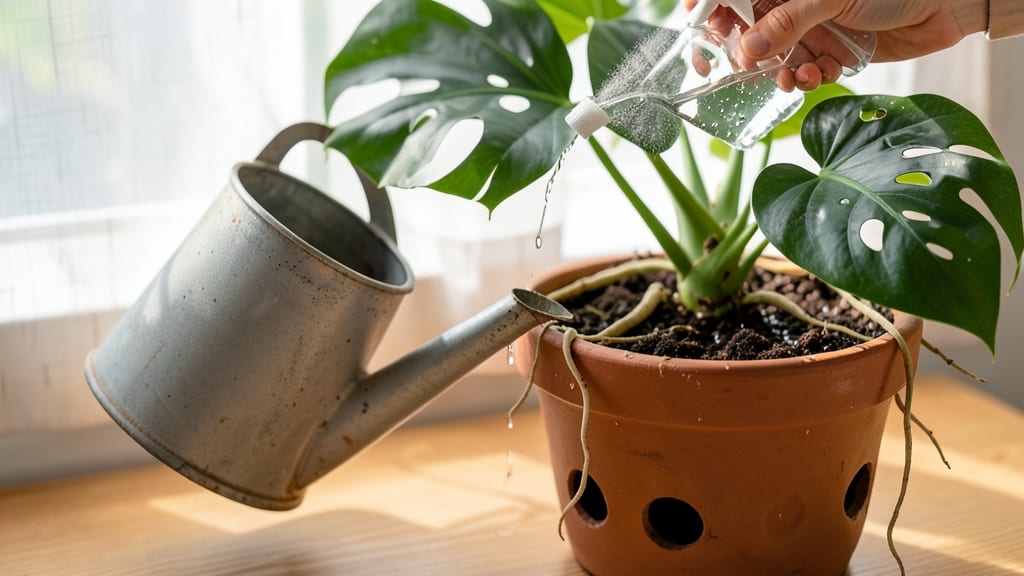
Struggling to figure out how much water your Monstera plant actually needs? That crispy leaf edge or droopy vine might be screaming for help—but you’re not sure if it’s thirsty or drowning.
The truth is, Monsteras 🌿 are finicky about moisture, and getting this right could mean the difference between a thriving jungle corner and a sad, brown-leafed relic.
I’ve watched more than a few Monsteras suffer from well-meaning owners who either drowned their roots or left them parched. The good news? With just a few simple checks, you can turn guesswork into confidence.
We’re talking soil moisture tests, seasonal tweaks, and even how pot size plays a role—no more second-guessing whether to water or wait.
What you’ll discover here is the exact routine I use to keep my Monsteras lush and happy year-round. From recognizing the 5 key signs your plant is thirsty (or overwatered) to mastering the one tool that prevents root rot, this guide cuts through the confusion.
Let’s get your Monstera drinking just enough to stay vibrant without turning into a swamp plant.
Whether you’re a new plant parent or a seasoned grower, these tips will help you nail the balance—so you can enjoy those iconic split leaves without the stress. Ready to transform your watering game?

How often to water a Monstera plant (by season & pot size)
Watering your Monstera deliciosa—the stunning Swiss cheese plant—isn’t about sticking to a rigid schedule. Instead, it’s about understanding your plant’s unique needs based on seasonal shifts, pot size, and even the material of your container.
Monsteras thrive in tropical humidity but despise soggy roots, making watering a delicate balance. Let’s dive into the science-backed approach to keep your Monstera lush and healthy year-round.
First, check soil moisture before watering—this is your golden rule. Stick your finger 1-2 inches deep into the soil. If it feels dry, it’s time to water. If it’s still damp, wait a few more days.
This method beats guessing and prevents both overwatering and underwatering, the two biggest killers of Monsteras. Pro tip: Use a moisture meter for accuracy, especially if you’re new to plant care.
Now, let’s talk seasonal adjustments. Monsteras are tropical plants, so they love warmth and humidity—but their water needs change with the seasons. In spring and summer, when growth is rapid, you’ll water more frequently.
During fall and winter, growth slows, so you’ll dial back. Here’s how to tailor your watering routine:
Watering Schedule by Season & Pot Size
| Season | Pot Size (Diameter) | Frequency | Soil Check | Notes |
|---|---|---|---|---|
| Spring | 6-8 inches | Every 5-7 days | Top 1 inch dry | Increase humidity with a pebble tray. |
| Spring | 10+ inches | Every 7-10 days | Top 2 inches dry | Larger pots retain moisture longer. |
| Summer | 6-8 inches | Every 3-5 days | Top 1 inch dry | Monitor daily if in direct sunlight. |
| Summer | 10+ inches | Every 5-7 days | Top 2 inches dry | Use room-temperature water. |
| Fall | 6-8 inches | Every 10-14 days | Top 1-2 inches dry | Reduce humidity as temps drop. |
| Winter | 6-8 inches | Every 3-4 weeks | Top 2-3 inches dry | Avoid cold drafts near the plant. |
Pot material matters too! Terracotta pots dry out faster than plastic or ceramic because they’re porous. If your Monstera is in terracotta, you might need to water 1-2 days earlier than the schedule above.
Conversely, plastic pots keep moisture trapped, so wait an extra day or two before watering again. Always ensure your pot has drainage holes—this is non-negotiable for Monsteras.
Another pro tip: Bottom-watering is a game-changer for Monsteras. Place your pot in a tray of water for 15-20 minutes, then drain any excess. This method encourages roots to grow deeper and reduces the risk of fungal diseases from overhead watering.
Plus, it’s a great way to avoid soggy soil, which leads to root rot—a silent killer of Monsteras.
Don’t forget to adjust for humidity levels. Monsteras love 60-80% humidity, but most homes hover around 30-50%. If your air feels dry (especially in winter with heating), mist your plant’s leaves 2-3 times a week or place a humidifier nearby.
You’ll notice your Monstera’s leaves staying plump and vibrant instead of crispy or yellowing.
Finally, watch your Monstera’s growth patterns. A healthy plant will have shiny, perforated leaves and may even produce aerial roots. If you see new leaves emerging, it’s a sign your plant is happy and may need slightly more water.
But if growth stalls or leaves turn yellow, it’s time to reassess your watering routine. Consistency is key—stick to the schedule, but always trust your plant’s cues over a calendar.
Remember, every Monstera is unique, just like every gardener’s conditions. Experiment with these guidelines, observe your plant’s response, and adjust as needed. With the right watering routine, your Monstera will reward you with stunning, lush foliage for years to come. Happy growing! 🌿
5 Signs your Monstera needs water (or needs to dry out)
Your Monstera’s leaves tell a story—if you know what to look for. Yellowing leaves often signal overwatering, while crispy brown edges scream thirst. The key is learning these visual cues so you can adjust before your plant throws in the towel.
Start by checking the top 1-2 inches of soil. If it’s dry, your Monstera needs water. But if it’s still damp, hold off. Sticky soil is a red flag—your plant’s roots might already be suffocating.
Here’s the breakdown: Underwatered Monsteras show dry, curling leaves and slow growth, while overwatered ones develop mushy stems and yellow foliage. Both are fixable, but acting fast is everything.
💧 UNDERWATERED
- 🌿 Dry, crispy leaf edges
- 🌿 Leaves curling inward
- 🌿 Slow or stunted growth
- 🌿 Soil pulls away from pot
💦 OVERWATERED
- 🌿 Yellowing leaves (bottom first)
- 🌿 Mushy, soft stems
- 🌿 Foul-smelling soil
- 🌿 Dropping leaves suddenly
Reviving an underwatered Monstera is easier—just give it a deep drink and increase humidity with a pebble tray. For overwatered plants, trim damaged leaves and repot in fresh, well-draining soil to save the roots.
Pro tip: Rotate your plant weekly so all sides get even light. Uneven growth (like lopsided leaves) often means one side is thirstier than the other. Balance is key!
Remember, Monsteras are tropical—they mimic rainforest conditions with consistent moisture but dry spells. Think of watering like a tropical shower: deep soaks followed by drying periods. Your plant will thank you with those iconic split leaves!