
How To
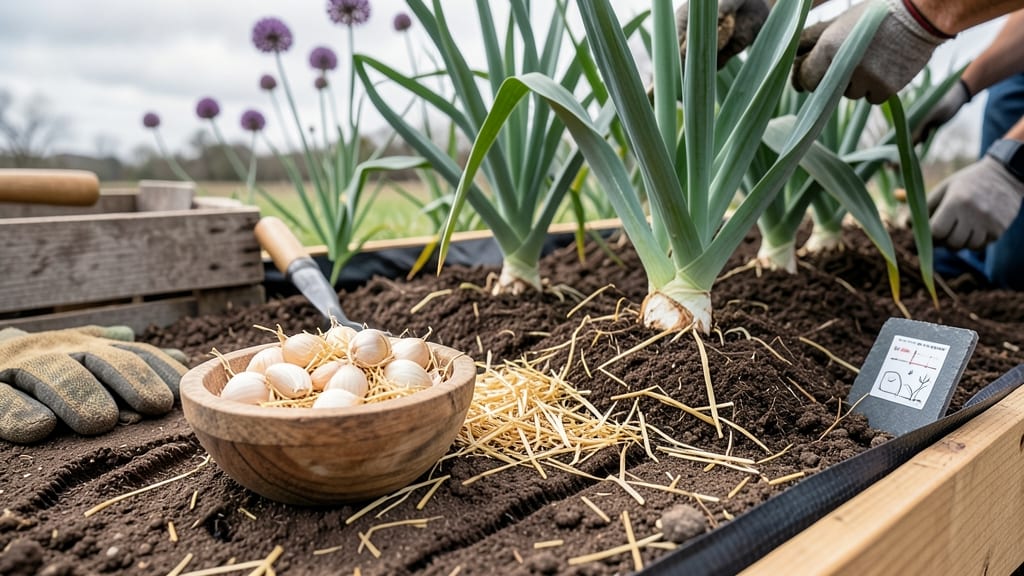
Planting garlic in the fall isn’t just a gardening trick—it’s the secret weapon for bigger, healthier bulbs next summer. Unlike spring planting, fall prep gives your 🧄 roots time to establish before winter, setting the stage for a bumper crop.
But timing matters: plant too early, and you risk bolting; too late, and frost will stifle growth.
If you’re in Zone 6a (or similar), your window is tight—aim for 4-6 weeks before the first frost, typically October or early November. This isn’t just about dates, though; soil temperature and variety choice play huge roles in success.
I’ll walk you through the exact steps to nail it, from soil prep to mulching, so your garlic thrives through winter and delivers plentiful harvests.
Why does this work? Garlic planted in fall develops strong root systems before dormancy, making it more resilient to temperature swings. Plus, you avoid the rush of spring planting when weather can be unpredictable.
Whether you’re a beginner or a seasoned gardener, these tips will help you grow garlic that’s twice as large and far more flavorful than store-bought.
Ready to transform your garden? Let’s break down the best practices for your climate zone, so you can enjoy homegrown garlic from late spring onward—without the guesswork.
Best fall planting dates by USDA climate Zones for zero-bolt garlic
Timing your garlic planting is the secret weapon against bolting—those unwanted flower stalks that rob energy from your bulbs. The 4-6 week window before your first frost is critical, but your USDA zone dictates the exact calendar dates.
Too early, and your cloves will rot; too late, and they’ll bolt prematurely. Let’s break down the perfect planting dates for each zone to ensure maximum bulb size and zero waste.
In Zone 3-4, where winters are harsh, aim for mid-September to early October. The soil needs time to cool but not freeze before the cloves sprout. For Zone 5-6, late September to mid-October works best—balancing warm soil for root establishment with upcoming cold.
Meanwhile, Zone 7-8 gardeners can plant through October, even into early November, thanks to milder winters.
High-altitude gardens (e.g., Zone 4 at 5,000 ft) need to plant 2-3 weeks earlier than sea-level zones. Cooler temperatures at elevation mean the ground freezes faster. Always check your local frost dates—your county extension office is a goldmine for this info.
Pro tip: Use a soil thermometer to confirm the ground is below 40°F but not frozen when planting.
Southern gardeners in Zone 9-10 face a unique challenge: avoiding winter rains that cause rot. Plant in November-December, but choose disease-resistant varieties like ‘Silverskin’ or ‘Artichoke.’ These areas also benefit from shade cloth during peak summer heat to prevent stress.
Here’s your zone-by-zone planting calendar to avoid bolting and ensure plump bulbs next summer:
| USDA Zone | Ideal Planting Window | Soil Temp Goal | Key Consideration |
|---|---|---|---|
| Zone 3-4 | Mid-September to early October | 40–50°F | Use thick mulch (6+ inches) to insulate |
| Zone 5-6 | Late September to mid-October | 45–55°F | Hardneck varieties perform best |
| Zone 7-8 | October to early November | 50–60°F | Watch for winter rains; raise beds if needed |
| Zone 9-10 | November–December | 55–65°F | Plant in partial shade; use softneck varieties |
| High Altitude (Zone 4+) | Late August to mid-September | 35–45°F | Plant earlier; soil freezes faster at elevation |
Missed the window? Don’t panic. In Zones 7-10, you can plant through December if the ground isn’t frozen. Just use extra mulch (straw or leaves) to protect cloves.
For Zones 3-6, late plantings risk bolting, but a thick layer of straw (8+ inches) can buy you a few extra weeks.
Pro move: Mark your planting date on a calendar and set a reminder for spring fertilization (when shoots emerge). This ensures your garlic gets the nutrients it craves to develop those giant bulbs you’re dreaming of. The key to zero-bolt garlic? Timing + insulation—simple, but game-changing.
Need a backup plan? Try container growing—fill pots with well-draining soil, plant cloves, and move them to a garage or cold frame over winter. This works especially well for urban gardeners or those with poor soil. Just remember: containers dry out faster, so monitor moisture closely.
Ready to dive deeper? Next, we’ll walk through the step-by-step planting process—from soil prep to mulching—to set your garlic up for next-level success. Trust me, your future self (and your dinner table) will thank you.
Best fall planting dates by USDA climate Zones for zero-bolt garlic
Timing your garlic planting is the single most critical factor in avoiding bolting and ensuring robust bulb development. Unlike spring planting, fall garlic thrives when planted 4-6 weeks before the first frost, allowing roots to establish before winter dormancy.
But the exact window varies dramatically by USDA climate zone—and getting it wrong can mean wasted effort.
In Zones 3-5, where winters are harsh, aim for late September to mid-October. Soil temperatures should ideally be between 40°F and 50°F—too warm, and your garlic may bolt prematurely.
Meanwhile, Zones 6-8 have a slightly longer window, typically October to early November, while Zones 9-10 can plant as late as December if frost isn’t imminent.
Here’s a quick breakdown of your zone-specific planting windows to avoid common pitfalls like frost damage or bolting:
| Zone | Ideal Planting Window | Soil Temp Threshold | Key Consideration |
|---|---|---|---|
| 3-5 | Late September–Mid-October | 40°F–50°F | Mulch heavily to protect from freeze-thaw cycles. |
| 6-8 | October–Early November | 45°F–55°F | Adjust for high-altitude areas (plant 2 weeks earlier). |
| 9-10 | November–December | 50°F–60°F | Use softneck varieties for milder winters. |
Pro tip: Check your local frost dates using the National Weather Service or a frost calendar for your region. For example, in Zone 6a, planting in early October (4-6 weeks before the average first frost of November 15) gives roots time to anchor before winter.
Miss this window, and you risk bolting—when garlic flowers prematurely, ruining bulb size.
High-altitude gardeners (e.g., Zone 5 at 5,000+ feet) should plant 2 weeks earlier than the general guideline, as colder air at elevation accelerates frost. Conversely, coastal areas in Zone 8 may extend planting into late November thanks to milder microclimates.
Once you’ve nailed the date, the next step is soil prep. Loose, well-draining soil with a pH of 6.0–7.0 is non-negotiable—garlic hates soggy roots.
I’ll cover that in the next section, but for now, mark your calendar: fall planting is your ticket to next summer’s garlic feast—if you time it right.