
Companion Plants
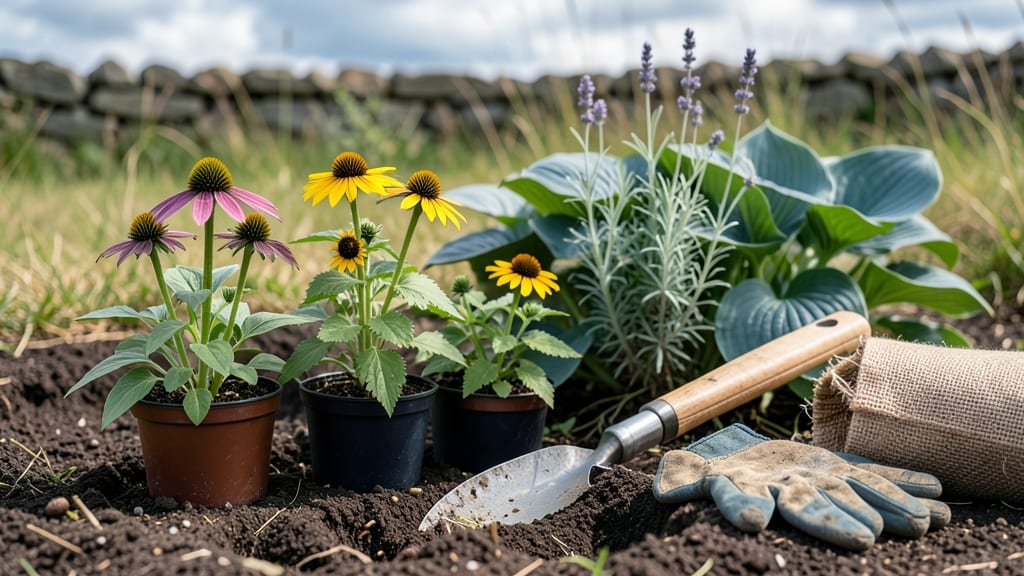
Timing your perennials planting in Zone 5 could make or break your garden’s success—because planting too early or too late means weaker roots and fewer blooms next season. If you’ve ever watched your hardy 🌿 perennials struggle through a harsh winter or bolt in the heat, you’re not alone.
Zone 5’s unpredictable frost dates (mid-May to mid-October) turn planting into a balancing act. But here’s the good news: with the right strategy, you can give your perennials a head start—whether you’re digging in early spring or taking advantage of fall’s cooler soil.
I’ll break down the exact windows, soil prep secrets, and how to tell if you’re planting at the perfect moment.
No more guessing games or wasted effort. By the end, you’ll know exactly when to plant for stronger roots, faster establishment, and a garden that thrives year after year. Let’s get those perennials in the ground the right way.
Ready to transform your garden’s future? The clock is ticking—spring and fall are your best shots, and we’re about to make every minute count.

Optimal fall planting timeline for Zone 5 perennials
Fall planting is often the secret weapon for Zone 5 gardeners, giving perennials 6-8 weeks to establish roots before winter. Unlike spring, cooler temperatures and consistent moisture create perfect conditions for root growth.
The key is timing—plant too early, and roots may not anchor before frost; too late, and tender perennials won’t survive the cold.
In Zone 5, aim to plant perennials 4-6 weeks before your first frost date (typically mid-October). This window—late September through early October—lets plants settle in while still benefiting from warm soil.
Hardier perennials like coneflowers and black-eyed Susans can handle slightly later planting, but tender perennials like lavender need to go in sooner.
Soil temperature is your best indicator of readiness. Ideal fall soil temps hover between 50°F and 60°F. Use a soil thermometer to check—if temps drop below 40°F, roots may struggle to grow. In colder microclimates, prioritize woody perennials (like shrubs) over herbaceous types, which are more frost-sensitive.
Before planting, prep your soil by adding 2-3 inches of compost and a balanced fertilizer (10-10-10). This boosts nutrient availability for root development.
For container-grown perennials, gently tease apart roots to encourage spreading. Mulch heavily (3-4 inches) after planting with straw or shredded leaves to insulate roots and retain moisture through winter.
Not all perennials thrive with fall planting. Bulb perennials like peony or daylily are ideal candidates, while tender perennials (e.g., salvia) may need spring planting. Always check your plant’s USDA hardiness zone rating—Zone 5 perennials labeled 4-8 are safest for fall.
| Perennial Type | Ideal Planting Window | Soil Temp Goal | Mulch Depth | Notes |
|---|---|---|---|---|
| Hardy Perennials (e.g., coneflower, black-eyed Susan) | Late Sept - Early Oct | 50°F - 60°F | 3-4 inches | Survive Zone 3-8; plant until mid-October |
| Tender Perennials (e.g., lavender, salvia) | Early Sept - Mid-Sept | 55°F - 65°F | 2-3 inches | Need Zone 5+ protection; avoid late planting |
| Woody Perennials (e.g., shrubs, ornamental grasses) | Mid-Sept - Late Oct | 45°F - 55°F | 4-5 inches | Establish deep roots before dormancy |
| Bulb Perennials (e.g., peony, daylily) | Early Sept - Mid-Sept | 60°F - 70°F | 3 inches | Plant corms 2-3x deeper than their height |
Watering is critical after fall planting. Give newly planted perennials 1 inch of water weekly until the ground freezes. Avoid overhead watering in late fall to prevent disease risk from prolonged leaf wetness. Instead, use a soaker hose or drip irrigation to deliver water directly to the root zone.
One common mistake is over-fertilizing in fall. Since perennials focus on root growth—not foliage—stick to a light feed (e.g., ½ strength balanced fertilizer). Overdoing it can encourage late-season growth, making plants vulnerable to frost damage. Instead, prioritize organic matter like composted manure or worm castings to feed soil microbes.
If you miss the fall window, don’t panic! Many perennials can be planted in early spring (March-April), but they’ll need extra care to catch up. The trade-off? Fall-planted perennials often bloom earlier the following year because their roots are already established.
For example, Russian sage planted in fall may flower 2-3 weeks sooner than spring-planted counterparts.
Pro tip: Mark your calendar for next year by noting when you planted and how each perennial performed. Adjust your timing based on local microclimates—southern exposures stay warmer longer, while northern slopes may need earlier planting. With practice, you’ll nail the sweet spot for your Zone 5 garden.
Spring planting strategies for Zone 5 perennials: avoid these critical mistakes
Spring planting in Zone 5 offers a second chance to establish perennials, but timing is everything. Planting too early risks frost damage, while waiting too late can stunt root growth before summer heat arrives.
The ideal window is after your last frost date—typically mid-April to early May—when soil temperatures consistently stay above 50°F (10°C).
Many gardeners make the mistake of rushing to plant as soon as soil is workable. However, cold soil slows root establishment, leaving perennials vulnerable to stress. Use a soil thermometer to confirm temperatures are stable before planting.
For tender perennials like peonies or lavender, wait until nighttime temperatures stay above 55°F (13°C).
- Stunted growth: Perennials planted after May 15 may not establish roots before summer drought.
- Heat stress: Young plants struggle in 90°F+ (32°C+) soil without deep roots.
- Weed competition: Slow-starting perennials lose ground to aggressive weeds.
Pro Tip: Mulch heavily after planting to retain moisture and regulate soil temperature.
Not all perennials thrive in spring planting. Hardy perennials like coneflowers and black-eyed Susans tolerate early spring, while woody types (e.g., shrub roses) need warmer soil. Test soil readiness by pressing your finger into the ground—if it feels cool and damp, wait a week.
Amend clay soil with compost or sand to improve drainage, as waterlogged roots are a common spring pitfall.
For bare-root perennials, soak roots for 2–4 hours before planting to rehydrate them. Dig holes twice as wide as the root ball but only as deep as the plant’s crown.
Backfill with native soil mixed with compost to encourage root spread. Water deeply immediately after planting to eliminate air pockets.
Monitor newly planted perennials for wilting or yellowing leaves, signs of transplant shock. If soil feels dry within an inch of the surface, water again—consistent moisture is critical for the first 3–4 weeks. Avoid fertilizing until new growth appears, as fresh roots are sensitive to salts.
Remember, spring planting success hinges on three factors: soil temperature, moisture consistency, and plant hardiness. Check your local USDA Zone 5a/5b frost dates and adjust accordingly—some years, late frosts delay planting until mid-May.
When in doubt, opt for fall planting, which gives roots a head start before winter.