
Companion Plants
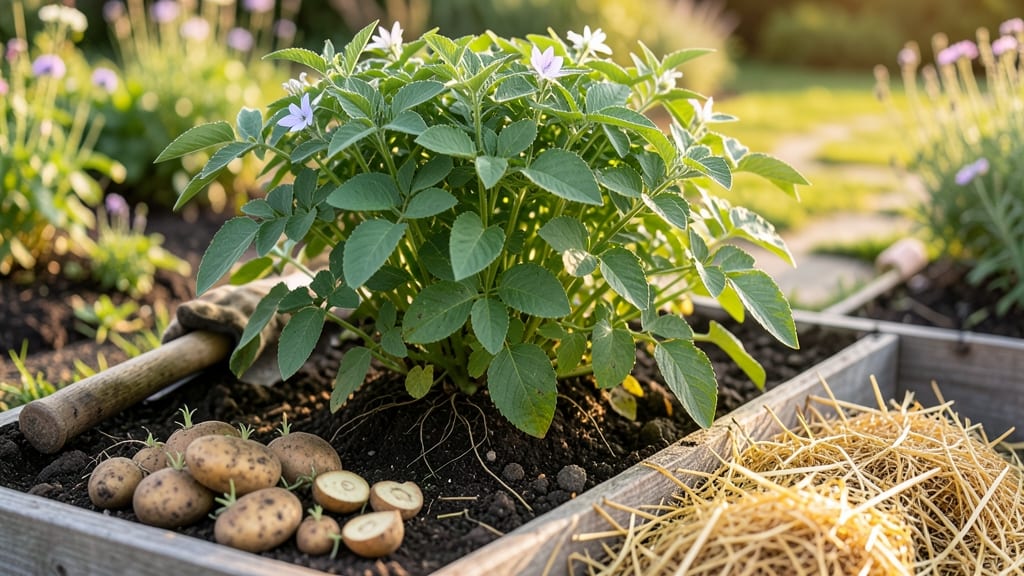
Planting potatoes in Georgia at the wrong time can mean the difference between a bumper crop and a sad, shriveled harvest. With the right timing, you could be digging up golden, crisp potatoes by summer—but get it wrong, and you might end up with blight, stunted growth, or worse.
Georgia’s climate gives you two prime windows to plant: February-March for early varieties or April-May for late-season tubers. The key is avoiding frost while ensuring soil temperatures are just right—too cold, and your spuds won’t sprout; too hot, and they’ll rot before harvest.
I’ll break down the exact frost-free deadlines for your region, whether you’re in the cooler 7b zones of the North or the warmer 8a areas of the South. Plus, I’ll share pro tips to extend your growing season and avoid common pitfalls like wireworms or premature sprouting.
Ready to turn your garden into a potato patch? Let’s get started with the perfect planting schedule for Georgia’s unique growing conditions.
Georgia potato planting deadlines by variety type (early vs late season)
Georgia’s frost-free window spans February to November, but the sweet spot for potatoes is February through May. The key is planting early varieties as soon as soil warms to 45°F (North Georgia) or 50°F (South Georgia), while late-season varieties can wait until April to avoid heat stress.
Missing these windows risks blight or stunted tubers.
Your last frost date in Georgia typically falls around February 15 in North Georgia and March 1 in South Georgia.
For early potatoes, aim to plant 2-4 weeks before this date—so late January to early February in most regions. Late varieties can go in April or May for a summer harvest.
Here’s your variety-by-variety planting schedule, tailored to Georgia’s USDA zones 7b-8a:
For North Georgia (e.g., Blue Ridge Mountains), plant 2 weeks later than the general schedule—so early February for early varieties—to avoid late frosts. In South Georgia, you can push early planting to January if using row covers for frost protection.
Soil temperature is critical: Use a soil thermometer to confirm 45°F+ before planting. Cold soil slows sprouting and invites damping-off disease. In sandy soils (common in South Georgia), warm up faster—plant 1 week earlier than clay-heavy North Georgia soils.
Pro tip: Stagger your planting by 2-3 weeks for a continuous harvest. For example, plant Yukon Golds in late January, Kennebecs in early March, and Russets in April. This spreads out your harvest window from May to September.
If you’re in Zone 8a (e.g., Savannah or Columbus), you can even squeeze in a fall planting of late varieties in July for a winter harvest. Just ensure tubers mature before first frost (typically mid-November).
Watch for heat stress in summer plantings—potatoes thrive in 60–75°F soil. If temps climb above 85°F, use shade cloth or plant heat-tolerant varieties like Red LaSoda.
Now that you’ve got your planting timeline, let’s tackle microclimate adjustments—like urban heat islands or high-altitude delays—that can shift your schedule by weeks.
How to adjust planting dates for Georgia’s microclimates and soil conditions
Georgia’s diverse climate means your potato planting dates should shift based on where you live—whether you’re in the Blue Ridge Mountains, the Piedmont region, or the coastal plains. Even a 100-mile difference can change your last frost date by weeks. Here’s how to tweak your schedule for urban gardens, sandy soils, and organic growing to avoid common pitfalls like wireworm damage or blight.First, check your local frost dates. North Georgia (USDA Zone 7b) typically sees its last frost around March 15, while South Georgia (Zone 8a) can plant as early as February 15.
If you’re in an urban heat island (like Atlanta), soil warms faster—plant early varieties like Yukon Gold 2-3 weeks earlier than the average date. For high-altitude areas (e.g., Dahlonega), wait until mid-April to avoid late spring frosts that can kill young sprouts.
Soil type also dictates timing. Sandy soils in coastal Georgia warm up quickly but drain too fast—plant earlier (February) and mulch heavily to retain moisture. Clay soils in the Piedmont hold cold longer; delay planting until mid-March and amend with compost to improve drainage. If your soil stays too wet, potatoes develop rot—raise beds or plant on mounds to prevent this.
🔍 Did You Know? Georgia’s southern regions (like Savannah) can grow two potato crops per year if you plant early varieties in January (for spring harvest) and late varieties in June (for fall harvest). Just ensure consistent watering during summer heat to avoid tuber scab.
- Planting too early in cold soils (45°F) causes rot—wait until soil reaches 50°F.
- Skipping chitting (pre-sprouting) in short-season varieties like Red LaSoda—it speeds up harvest by 2-3 weeks.
- Using fresh grocery store potatoes as seed—buy certified disease-free seed potatoes to avoid blight and virus spread.
- Ignoring wireworm risks in sandy soils—rotate crops or use row covers for young plants.
For organic gardeners, adjust planting dates to align with compost availability. Fresh manure near planting time can burn roots—instead, add aged compost 2-3 weeks before planting.
If you’re using cover crops (like clover), till them in 4-6 weeks before your target date to boost soil fertility without overheating the soil.
Urban gardeners with limited space can use container growing—plant bush varieties like Kennebec in 5-gallon pots as early as February 1 (with grow lights if needed). Just ensure pots have drainage holes and use a lightweight potting mix to prevent root rot. In raised beds, plant staggered rows every 2 weeks to extend harvest time and avoid overcrowding.
Finally, monitor local weather forecasts. If a cold snap is predicted after planting, protect young sprouts with floating row covers or straw mulch.
In drought-prone areas (like West Georgia), use drip irrigation to keep soil consistently moist—potatoes need 1-2 inches of water weekly but hate soggy soil. Adjust your planting date if rain delays soil warming, aiming for stable 60°F+ soil temps before planting.