
Companion Plants
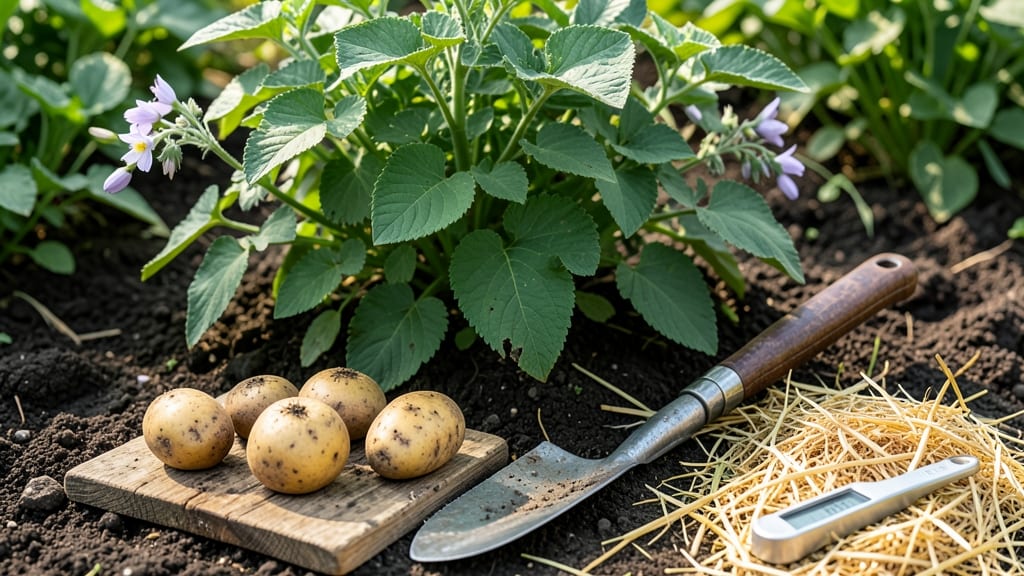
If you’ve ever planted potatoes in Ohio only to watch them bolt before harvest, you know the frustration of getting the timing wrong.
The key to avoiding this common mistake lies in understanding your local frost dates and soil conditions—because planting too early can ruin your entire crop before it even starts.
Ohio’s Zone 6a climate means your window for planting 🥔 is narrow but critical: mid-March to early April, once the soil warms to at least 45°F. Missing this mark could leave your potatoes vulnerable to frost damage or premature bolting, turning your hard work into a game of guesswork.
I’ll break down exactly when to plant for your specific region, how to adjust for early or late springs, and which varieties thrive best in Ohio’s unpredictable weather. With these insights, you’ll learn how to time your planting for a bumper crop—no wasted seeds or bolted plants in sight.
Ready to master the perfect planting schedule? Let’s dive into the science-backed strategies that will give you crisp, flavorful potatoes all season long.
Ohio’s frost-free planting zones for potatoes: exact dates by region
Ohio’s diverse USDA zones (5-8) mean your last-frost dates can vary by 2-3 weeks across the state. Planting potatoes too early in Zone 5 risks frost damage, while Zone 7-8 gardeners can start earlier. The golden rule: wait until soil reaches 45°F and daytime temps stay above 50°F consistently.
For Zone 5 (northwest Ohio), aim for mid-April (after April 15). Zone 6 (central Ohio) can plant late March to early April, while Zone 7-8 (southern Ohio) may start as early as mid-March. Always check your local Cooperative Extension Service for updates—Ohio’s springs can be unpredictable!
Here’s how soil temperature and frost dates break down by zone, plus the best potato varieties for each region to avoid bolting:
| USDA Zone | Avg. Last Frost | Planting Window | Ideal Varieties | Soil Temp Threshold |
|---|---|---|---|---|
| 5 (Northeast Ohio) | April 20–May 1 | Late April–early May | Kennebec, Red LaSoda | 45°F+ (consistently) |
| 6 (Central Ohio) | April 10–15 | Mid-March–early April | Yukon Gold, Fingerlings | 45°F+ (soil) |
| 7–8 (Southern Ohio) | March 20–April 5 | Mid-March–late March | Russet, Purple Viking | 40°F+ (soil) |
Early varieties like Red LaSoda thrive in Zone 5 and can handle cooler soils, while Yukon Gold and Russets prefer warmer Zone 6-8 conditions. If you’re in Zone 5, opt for cold-hardy varieties or use row covers to extend your season.
Pro tip: Test your soil’s moisture and temperature with a soil thermometer (available at garden centers). Potatoes won’t sprout until soil hits 45°F, so rushing them in cold, wet soil leads to rot. Aim for well-draining, loamy soil with a pH of 5.0–6.5 for best results.
For Zone 7-8 gardeners, you can even plant a fall crop in early August for harvest before first frost (Oct 15). Choose early-maturing varieties like ‘Early Girl’ (60 days) to ensure success.
Just be sure to hill soil as plants grow to protect tubers from sunlight (which turns them green and toxic).
Remember: Ohio’s microclimates can shift planting dates by 1-2 weeks. If you’re near Lake Erie, expect cooler, later springs. Urban areas like Columbus may warm up faster. Always monitor your local weather forecasts and adjust your timeline accordingly.
Finally, chit your seed potatoes (sprout them indoors) 4–6 weeks before planting to jumpstart growth. This gives you a 2-week head start on the season, especially critical in Zone 5. Just avoid chitting too early—long, leggy sprouts struggle to establish in the garden.
With these zone-specific timelines, you’ll avoid the heartbreak of frost-nipped potatoes or bolting plants. Next, we’ll cover how to stagger planting for continuous harvests—no more feast-or-famine spuds!
How to stagger planting for continuous harvests in Ohio’s climate
Ohio’s variable spring weather makes staggered planting your secret weapon for a longer harvest. Instead of betting everything on one planting date, divide your seed potatoes into 2-3 batches spaced 3 weeks apart.
This spreads out your harvest from late June to September, giving you fresh potatoes all season.
For example, plant your first batch in mid-March (if soil is workable), then follow up with batches in early April and late April. This works especially well for early-maturing varieties like ‘Yukon Gold’ (90 days) and ‘Red LaSoda’ (80 days), which thrive in Ohio’s cooler springs.
🌱
- 📅 Batch 1: Mid-March (if soil ≥45°F) – Plant early varieties (e.g., ‘Early Red’).
- 📅 Batch 2: Early April – Choose mid-season types (e.g., ‘Kennebec’).
- 📅 Batch 3: Late April – Opt for late varieties (e.g., ‘Russet Burbank’) for fall harvest.
- 🌡️ Soil Check: Use a soil thermometer—wait until 45°F+ for all batches.
- 🛡️ Pro Tip: Use row covers for early batches to protect from late frosts.
Staggering also lets you adjust for Ohio’s microclimates. Northern Ohio (Zones 5-6) may need to delay first plantings until early April, while southern Ohio (Zones 6-7) can start as early as mid-March. Check your local USDA Plant Hardiness Zone for precise timing.
For fall storage potatoes, prioritize your third batch in late April. Varieties like ‘Kennebec’ or ‘Yukon Gold’ store well when cured in a cool, dark place (50-60°F) after harvest. Cure them for 1-2 weeks before storing to toughen skins and prevent rot.
🌿