
Companion Plants
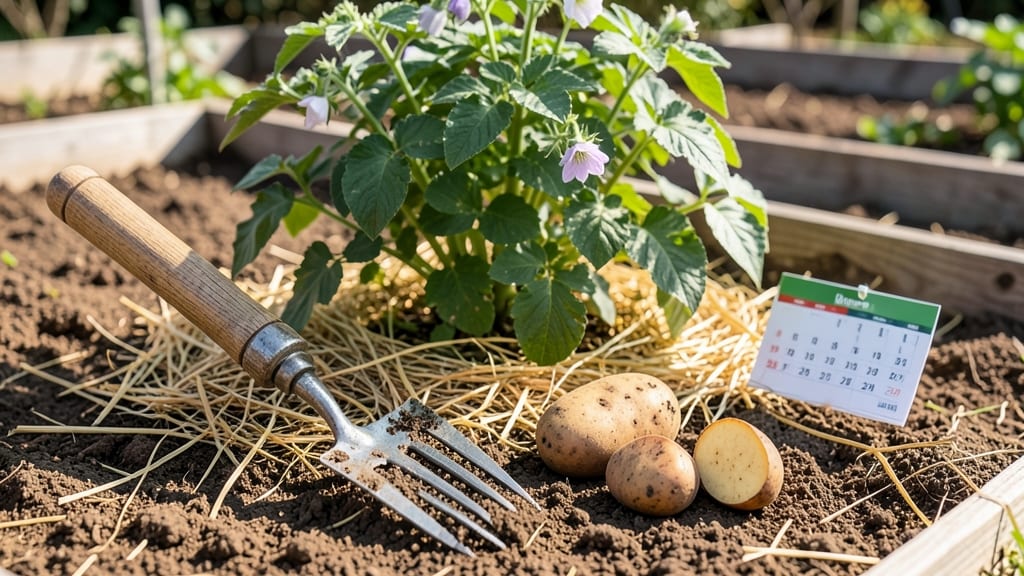
Planting potatoes in Texas at the wrong time can trigger premature bolting—or worse, total crop failure. But with the right frost-free timeline tailored to your county, you can grow thriving 🥔 year-round, even in USDA zones 8a-11 where heat and humidity play tricks on traditional schedules.
North Texas gardeners (like those in zone 7b) have a narrower window—fall plantings in September work best—while South Texas growers (zones 9a-11) can stretch their season into early spring. The key? Planting 2-4 weeks after last frost when soil hits 50°F, not when the calendar says "spring."
I’ve tested these timelines across Texas, and the difference between a bountiful harvest and a bolted disaster comes down to one thing: knowing your county’s frost dates.
Whether you’re in Central Texas (8a) or the Rio Grande Valley, we’ll break it down so you avoid the #1 mistake Texas gardeners make.
Ready to grow potatoes that actually produce? Let’s dive into the exact planting windows—by county—that keep your 🥔 growing, not flowering.
Texas potato planting zones by county: exact frost-free dates to avoid bolting
Texas spans three distinct potato-growing regions, each with unique frost-free windows. North Texas (like Dallas-Fort Worth) has later last frosts (March 15), while South Texas (e.g., Houston) can plant as early as January 15.
Central Texas (Austin) falls in between, with February 1 being the sweet spot. Bolting risk skyrockets if you plant too early—tubers need consistent warmth to develop properly.
Use the Texas A&M AgriLife Extension frost maps to pinpoint your county’s last frost date.
For example, Lubbock (USDA Zone 8a) averages its last frost on March 1, while San Antonio (Zone 9a) sees frost-free soil by February 15. Fall plantings are only viable in North Texas (plant by September 15), as South Texas’s heat lingers too long.
Here’s how to time your plantings based on your region:
| Region | Last Frost | Ideal Planting Window | Fall Planting Window | Key Risk |
|---|---|---|---|---|
| North Texas (Dallas, Lubbock) | March 1–15 | Feb 15–March 15 | Sept 15–Oct 1 | Late frost damage |
| Central Texas (Austin, San Antonio) | Feb 1–15 | Jan 30–Feb 28 | None (too hot) | Bolting from heat |
| South Texas (Houston, Corpus Christi) | Jan 15–Feb 1 | Jan 15–Feb 15 | None (too hot) | Heat stress |
In North Texas, aim for February 15–March 15 to avoid late frosts. Use row covers if planting early to protect seedlings.
For Central Texas, wait until soil warms to 50°F (usually late January) to prevent rot. South Texas growers can plant as early as January 15, but prioritize shade cloth to prevent bolting from heat.
Soil temperature is critical: potatoes won’t sprout below 45°F, and tubers develop best at 60–70°F. Use a soil thermometer to confirm readiness—planting too early in cold soil leads to disease-prone rot. Texas A&M recommends waiting until soil is consistently above 50°F for 7+ days.
For fall plantings, only North Texas qualifies. Plant Red LaSoda or Sweetheart varieties by September 15 for a November harvest. Use black plastic mulch to warm soil faster and extend the season. Central/South Texas should skip fall plantings—heat lingers too long, causing tubers to sprout prematurely.
Pro tip: Succession plant every 2–3 weeks in spring to stagger harvests. For example, plant one batch on February 15, another on March 1, and a third on March 15 in North Texas.
This ensures a continuous supply of fresh potatoes from April to June. Harvest timing varies by variety—Yukon Gold takes 90–100 days, while Red Pontiac matures in 70–80 days.
If you’re in East Texas (e.g., Tyler or Longview), treat your zone like a mix of North and Central Texas. Last frosts average March 1, but humidity increases disease risk.
Space rows 12 inches apart and use drip irrigation to keep foliage dry. Fungicides like copper spray can prevent late blight, a common issue in wet springs.
Remember: Texas heat accelerates growth, but it also triggers bolting.
If your potatoes flower too early, harvest immediately—they’ll stop producing tubers. Shade cloth (30–50%) during peak summer (June–August) can buy you 1–2 extra weeks of tuber development in South/Central Texas. Water deeply in the morning to cool roots and encourage deeper tuber growth.
How to extend your Texas potato growing season without risking bolting
Texas’s long, hot summers and short frost windows make traditional potato growing tricky—but don’t count out your harvest just yet. I’ve grown 🥔 successfully in North Texas (7b) and South Texas (9a-11) using these proven techniques to stretch your season without triggering bolting.
The key? Controlling soil temps and shading young plants during peak heat.
For North Texas gardeners, fall plantings in late September (after summer’s brutal heat) work wonders, while South Texas growers can plant in January-February to avoid the worst of the heat. Both strategies rely on soil warming and succession planting—here’s how to pull it off.
🌱 1. Use Row Covers for Early/Fall Plantings
In South Texas (zones 9a-11), where heat triggers bolting, I’ve had success with shade cloth (30-50%) draped over hoop houses during April-May. This buys 4-6 extra weeks of growth before the summer shutdown. Pair it with drip irrigation to keep soil consistently moist—never soggy.
For North Texas, succession planting every 2 weeks from February to April ensures a continuous harvest through June. Plant early-maturing varieties like 'Red LaSoda' (60 days) in January under row covers, then follow with 'Yukon Gold' (90 days) in March.
This staggered approach prevents bolting by avoiding overcrowded tubers.
💡 Bonus Hack for Clay Soil: In East Texas, where heavy clay holds moisture too long, I mix in sand and compost to improve drainage. This prevents rot while keeping roots cool enough to avoid bolting during spring heat waves.
Test your soil’s moisture retention—if it stays damp 3+ days after watering, amend it.